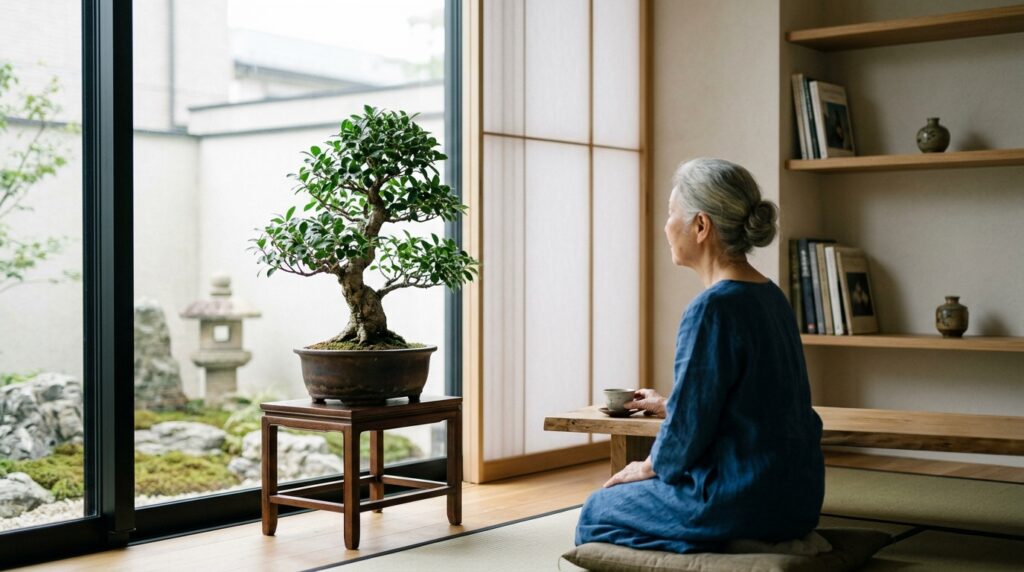
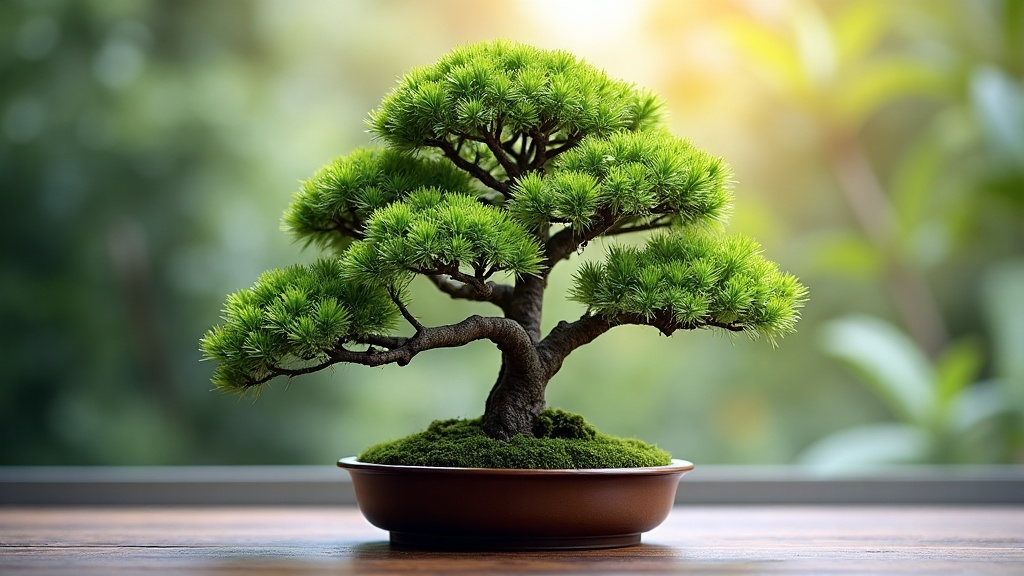
I?m often asked where a bonsai tree should be placed for the best light, and the answer is simple: put it as close as possible to bright natural light without cooking the foliage behind hot glass. For most indoor bonsai, that means directly in front of an east- or south-facing window, rotated regularly, and adjusted with the season rather than left in one permanent spot.
After twenty years of training and practice, including time in Osaka and Kyoto, I have learned that bonsai placement is less about decoration and more about reading light with honesty. A bonsai can survive in a dim corner for a while; it cannot stay refined there. Good placement preserves short internodes, small leaves, steady vigor, and the quiet balance that makes a tree feel mature.
Best Light Placement at a Glance
| Location | Light Quality | Best For | Watch Out For |
|---|---|---|---|
| East-facing window | Bright morning sun, gentler afternoon light | Most indoor bonsai, especially ficus, jade, Chinese elm | May be too weak in winter if the tree is set back from the glass |
| South-facing window | Strongest all-day light indoors | Light-hungry indoor bonsai and winter support | Leaf scorch through hot glass, uneven growth toward the window |
| West-facing window | Intense afternoon sun | Sun-tolerant species if monitored carefully | Heat buildup, dried soil, scorched leaves |
| North-facing window | Bright shade to low light | Temporary holding spot only, or very bright climates | Weak growth, larger leaves, long internodes |
| Under a grow light | Reliable supplemental or primary indoor light | Homes with poor window exposure | Light placed too far away, inconsistent schedule |
Where a Bonsai Tree Should Actually Sit
If you want the direct answer, place your bonsai within 1 to 3 feet of the brightest window available. The closer it is, the better. Light intensity falls quickly as you move away from the glass, so a tree on a table across the room may receive only a fraction of the useful light it would get on the sill or directly beside it.
For most indoor bonsai, my order of preference is:
- East-facing window
- South-facing window
- West-facing window with careful heat management
- North-facing window only with strong supplemental lighting
An east window is often the easiest balance. Morning sun is bright enough to support healthy growth but usually softer than the punishing late-day heat of a west window. A south window can be even better in winter, especially in northern climates, but you must watch for leaf scorch in summer and for dry soil when the pot heats up quickly.
How Window Direction Changes the Result
East-facing windows
This is my favorite placement for many indoor bonsai. The tree receives useful direct sun in the morning, then bright ambient light later in the day. Ficus, dwarf jade, Fukien tea, and Chinese elm often respond well here. Growth stays steadier, and you are less likely to see burnt leaf edges.
South-facing windows
If your home has a true south exposure, this is usually the strongest natural indoor light you can offer. In winter, that matters. Many owners think their tree is ?getting plenty of sun? simply because the room looks bright; the bonsai may disagree. South windows are often the difference between maintenance and decline during the darker months.
Still, strong light through glass can create heat. If leaves press against the window, they may scorch. Keep a small gap, monitor the soil daily, and use a sheer curtain for delicate species during intense summer spells.
West-facing windows
West light can work, but it is less forgiving. Afternoon sun is hotter, which means greater evaporation and a higher chance of foliage stress. If a west window is your brightest option, use it, but observe the tree closely for a week or two after moving it there. Crispy margins, limp new growth, or very fast drying tell you the placement needs adjusting.
North-facing windows
North windows are usually too dim for long-term indoor bonsai culture unless you live in an unusually bright climate or the window is very large and unobstructed. A north window may keep a tolerant species alive, but it rarely keeps the growth compact and refined. If north exposure is all you have, pair it with a proper grow light.
How Far From the Window Is Too Far?
This is where many bonsai owners lose ground. Interior designers think in terms of what looks balanced in a room. Bonsai growers think in terms of photons. A tree placed 6 to 10 feet from a window is usually in decorative display light, not horticultural light.
As a practical rule, if you can comfortably read across the room, that does not mean your bonsai has enough light. Keep the tree immediately at the window, on the sill if safe, or on a stand that puts the canopy almost against the brightest part of the opening without touching the glass.
If your setup is weak, adding a full-spectrum LED grow light for bonsai is usually more effective than moving the tree from one mediocre room position to another. A simple light meter for houseplants can also help you compare placements honestly instead of guessing.
Indoor Bonsai Need Rotation, Not Constant Relocation
A bonsai reaching toward the glass is behaving normally. Light comes from one direction, so the tree responds. Rotate the pot a quarter turn every week or so to keep growth more even. Do not move it around the house every few days chasing appearances. Stability matters. One bright, reliable location is better than several attractive but inconsistent ones.
Also keep bonsai away from heating vents, blasting air conditioners, and drafty exterior doors. Good light cannot compensate for constant environmental stress. The finest placement is the one that combines brightness, air circulation, and a predictable routine.
What About Outdoor Bonsai?
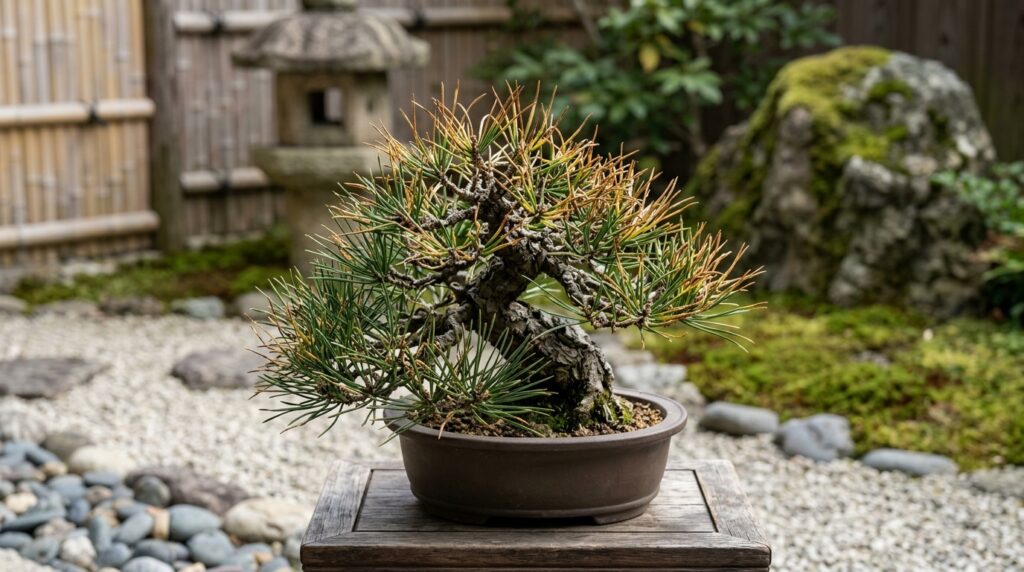
If your bonsai is a juniper, pine, maple, larch, or another temperate species, the best light is almost always outdoors, not inside. These trees are not true indoor bonsai. They need seasonal change, stronger sun, and natural dormancy. A bright window is still weaker than the outdoor sky.
For outdoor bonsai, the best placement is usually morning sun with some protection from brutal late-afternoon heat during the hottest part of summer. Full sun works for many species, but newly repotted trees, thin-barked maples, and very shallow pots may benefit from partial afternoon shade in extreme conditions.
Which Bonsai Tree Tolerates the Lowest Light Levels Indoors?
If you are asking the related question, ?Which bonsai tree tolerates the lowest light levels indoors??, the honest answer is the Ficus, especially Ficus microcarpa and Ficus retusa. Among common bonsai choices, ficus is usually the most forgiving of imperfect indoor light. It does not mean ficus prefers dim conditions. It means ficus declines more slowly and recovers more readily than many others when light is less than ideal.
Even then, ?low light tolerant? is not the same as ?happy in a dark room.? A ficus kept too far from the window will often show larger leaves, sparse branching, and weak extension growth. If your home is dim, place ficus in the brightest window available and consider a clip-on grow light for indoor plants to maintain better density.
Other indoor species sometimes sold as somewhat tolerant include jade and Chinese elm, but both still perform better with strong light. Fukien tea, by contrast, generally wants more brightness and consistency than many beginners expect.
Signs Your Bonsai Is Not Getting Enough Light
- Leaves become larger than usual
- Long internodes and leggy shoots develop
- The tree leans strongly toward the window
- New growth is pale, weak, or sparse
- Inner leaves yellow and drop faster than normal
- The soil stays wet too long because growth has slowed
If you see these signs, first improve light before changing fertilizer or watering frequency. Many bonsai problems that appear nutritional are really placement problems.
Seasonal Placement Matters More Than Most Beginners Realize
The same window does not behave the same way all year. In winter, the sun angle is lower, day length is shorter, and indoor trees may need the very brightest position you can provide. In summer, that identical spot may become hot enough to stress tender foliage.
I recommend a seasonal rhythm:
- Winter: move indoor bonsai to the brightest window, usually south or east, and supplement with artificial light if growth weakens.
- Spring: watch for stronger sun and faster drying as days lengthen.
- Summer: protect sensitive indoor species from harsh glass-amplified afternoon heat.
- Autumn: prepare to move the tree back into maximum light before the darker season settles in.
If you want a simple support kit, a sheer curtain for a plant window helps diffuse harsh rays, and a temperature and humidity monitor for plants makes it easier to spot stress from hot glass and dry indoor air.
A Simple Placement Checklist
- Identify your brightest window and confirm its direction.
- Place the bonsai within 1 to 3 feet of that window.
- Keep foliage from touching hot or cold glass.
- Rotate the tree weekly for even growth.
- Watch leaf size, internodes, and drying speed for two weeks.
- Add a grow light if the window is north-facing or heavily shaded.
This is the quiet discipline of bonsai care: observe, adjust, and then allow the tree to respond. Placement is not glamorous, but it shapes almost everything that follows.
FAQ
Can a bonsai live on a windowsill year-round?
Many indoor bonsai can, provided the windowsill offers strong light and the tree is protected from extreme heat, cold drafts, and touching the glass. Outdoor species should not be treated this way as a permanent setup.
Is direct sunlight through a window good or bad for bonsai?
Usually good in moderation, especially morning sun. The risk is not the light itself but heat buildup through glass, particularly at west-facing windows or during peak summer afternoons.
How many hours of light does an indoor bonsai need?
Most indoor bonsai do best with several hours of bright light each day, ideally including some direct sun. If natural light is weak, supplemental grow lighting for 10 to 12 hours can help maintain vigor.
Should I put my bonsai in the bathroom or office?
Only if those rooms truly have strong natural light. Humidity alone does not make up for poor light, and office corners are often too dim for sustained bonsai health.
What is the easiest indoor bonsai for lower light homes?
Ficus is usually the safest choice. It still wants bright placement, but it tolerates indoor conditions better than most commonly sold bonsai and adapts well when paired with supplemental light.