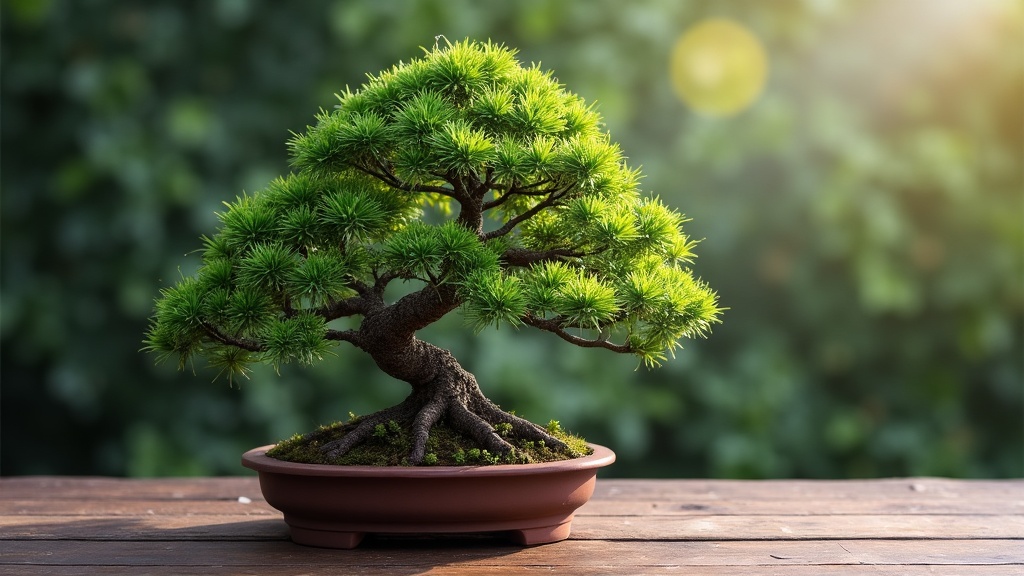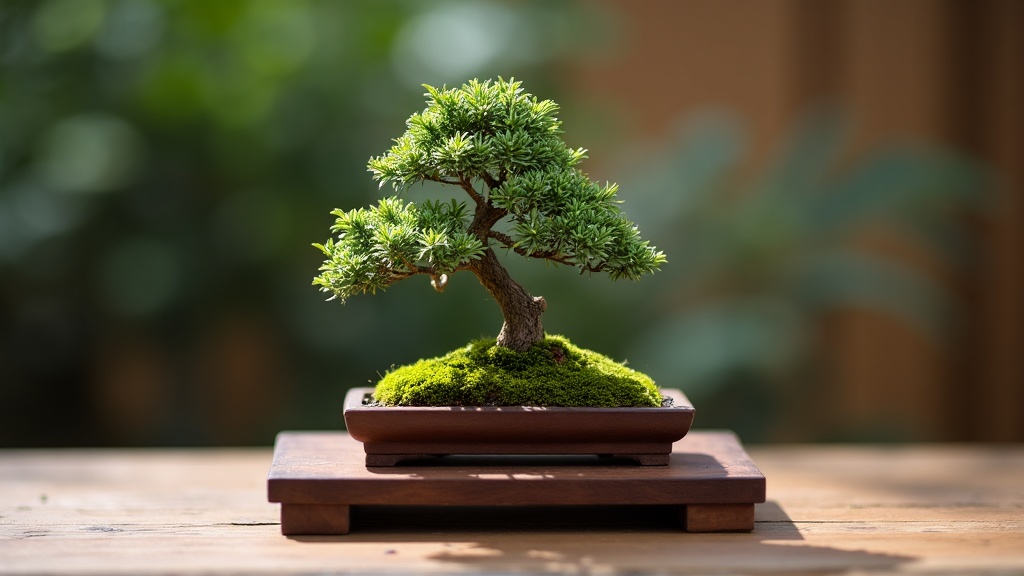
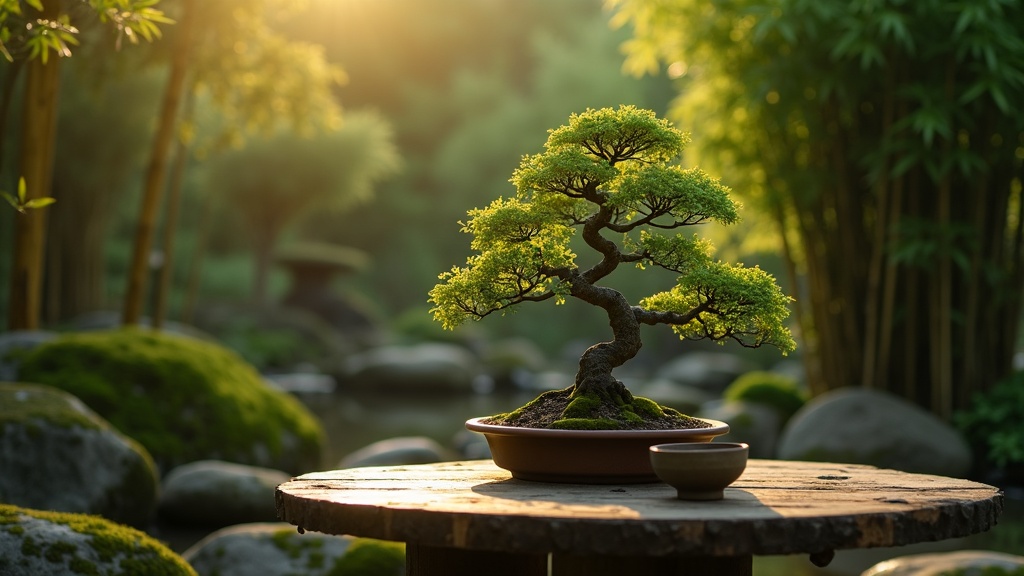
In twenty years of tending bonsai, I have made every mistake a practitioner can make. I have overwatered, under-pruned, and perhaps most harmfully I have fed my trees without understanding what they truly needed. Fertilizing a bonsai is not simply pouring nutrients into a pot. It is a conversation between you and the tree, guided by season, species, and stage of growth.
This guide covers everything I have learned about bonsai fertilizer: what the numbers on the bag actually mean, when to feed, when to withhold, and which products I trust after decades of trial and error.
Why Bonsai Need Fertilizer More Than Other Plants
A bonsai grows in a small volume of soil, sometimes just a cup or two of substrate. Unlike a tree in the ground, which can send roots outward for meters to find nutrition, your bonsai has only what you give it. Every time you water, nutrients leach out through the drainage holes. This is by design: good bonsai soil drains fast to prevent root rot, but it means the tree is entirely dependent on your feeding regimen.
Without adequate fertilizer, a bonsai will survive, but it will not thrive. Growth slows, leaves pale, back-budding becomes sparse, and the tree gradually loses vigor. In wabi-sabi philosophy, we appreciate imperfection and transience, but that is not the same as neglect. A well-fed bonsai has the energy to express its full beauty, and that is what we are after.
Understanding NPK: The Three Numbers That Matter
Every fertilizer label displays three numbers: N-P-K. These represent Nitrogen (N), Phosphorus (P), and Potassium (K). Understanding what each does will tell you which fertilizer to choose for any given situation.
- Nitrogen (N) drives vegetative growth: new shoots, longer internodes, lush green foliage. High nitrogen is your spring and early summer formula.
- Phosphorus (P) supports root development, flowering, and fruiting. It helps trees establish after repotting and encourages flowering species to bloom.
- Potassium (K) strengthens cell walls, improves disease resistance, and helps the tree harden off before winter. A higher potassium ratio in late summer and autumn prepares your tree for dormancy.
A balanced fertilizer like 10-10-10 or 20-20-20 works well for general use throughout the growing season. Many practitioners shift the ratio seasonally: nitrogen-forward in spring, balanced through summer, then potassium-forward in late summer and fall.
Organic vs Synthetic Fertilizer: What I Recommend
This is a question I get from students constantly. My answer: both have merit, and the wisest approach combines them.
Organic Fertilizers
Organic fertilizers, derived from natural sources like fish emulsion, kelp, bone meal, and composted plant matter, release nutrients slowly as soil microorganisms break them down. This slow release mirrors how a tree feeds in nature and makes it nearly impossible to over-fertilize. Organic matter also improves soil biology, which benefits root health long-term.
The limitation is that organics are slower to act. In early spring when you want rapid growth response, a tree may not respond as quickly to organic feeding alone.
For bonsai, I particularly like Biogold, a Japanese slow-release organic pellet that bonsai practitioners worldwide rely on. You simply place the pellets on the soil surface, and they break down gradually with each watering. The NPK ratio is approximately 5.5-6.5-3.5, making it excellent for general feeding during the growing season.
Another organic option I use regularly is Espoma Organic Plant-tone, which provides a gentle, balanced feed suitable for most broadleaf and flowering bonsai species.
Liquid Synthetic Fertilizers
Liquid synthetics like Miracle-Gro Liquid Plant Food provide immediately available nutrients that the roots can take up within hours. These are useful for a quick growth boost in spring, for recovering trees after repotting once roots have settled (about 4-6 weeks after repotting), or for trees showing clear nutrient deficiency.
The risk with synthetics is salt buildup in the soil over time, which can damage delicate feeder roots. If you use them regularly, flush the soil thoroughly every few weeks with plain water to prevent accumulation.
My practice: I use organic pellets as the foundation of my feeding program, supplemented with diluted liquid fertilizer every two to three weeks during peak growing season.
The Seasonal Feeding Calendar
This is where bonsai care becomes true practice, attuning yourself to the rhythms of the year and responding accordingly.
Early Spring (Buds Swelling to First Flush)
This is when your tree wakes from dormancy and demands energy for its first burst of growth. Use a balanced or nitrogen-forward fertilizer at this stage. For deciduous trees, I wait until buds are visibly swelling before feeding. Feeding too early, while the tree is still dormant, wastes fertilizer and can even cause harm if temperatures drop again.
Apply fertilizer every one to two weeks during this period. The tree is hungry, and frequent feeding supports vigorous extension growth.
Late Spring Through Early Summer
Growth is active and you want to support it without driving excessive leggy extension. Continue with a balanced fertilizer. For trees you are ramifying (developing fine branch structure), slightly reducing nitrogen can help keep internodes short and encourage back-budding.
Midsummer
In the heat of summer, some trees, particularly maples and other sensitive species, slow their growth and can be stressed by aggressive feeding. I ease back slightly, feeding every two weeks rather than weekly. If temperatures are extreme (above 90 degrees F consistently), pause feeding entirely until the heat breaks. A stressed tree cannot efficiently use fertilizer, and forcing nutrients into a struggling tree can cause root burn.
Late Summer and Autumn
This is the critical period for hardening your tree for winter. Shift to a low-nitrogen, high-potassium fertilizer, sometimes called a fall formula or hardening fertilizer. Something with an NPK ratio like 0-10-10 or 3-13-13 works well. This discourages new soft growth that would be vulnerable to frost while encouraging the tree to consolidate energy in its roots and cambium.
Continue feeding until the tree drops its leaves (for deciduous species) or until growth visibly stops (for evergreens and conifers).
Winter
For trees in full dormancy, stored in a cold greenhouse or protected area, feeding is generally unnecessary. The tree is at rest. For tropical species kept indoors under grow lights, a light diluted feed every four to six weeks is appropriate, as these trees continue metabolic activity year-round.
Species-Specific Considerations
Different trees have different appetites. Over the years I have developed nuanced approaches by species:
Junipers and conifers: These are moderate feeders. They benefit from a balanced program but should not be over-fed with nitrogen, which produces coarse, undesirable growth. I use organic pellets at half the recommended rate for junipers, focusing on consistency rather than intensity.
Japanese maples: Heavy feeders in spring. They can take aggressive nitrogen feeding during the first flush of spring growth, which produces strong extension. Back off significantly in midsummer to prevent leaf scorch and leaf size issues.
Flowering and fruiting species (azalea, quince, crabapple): These need phosphorus before and during their bloom period. I switch to a bloom-booster formula (lower nitrogen, higher phosphorus and potassium) starting six to eight weeks before expected bloom.
Ficus and tropical species: Year-round feeders if kept indoors. A balanced liquid fertilizer every three weeks through the growing season, tapering to monthly in winter.
Newly repotted trees: Wait four to six weeks after repotting before resuming fertilizing. Repotting disturbs roots, and damaged roots cannot uptake nutrients efficiently and can be burned by fertilizer contact. Water only until new growth appears, then resume a gentle feeding program.
How to Apply Fertilizer Correctly
Application method matters as much as product selection.
For solid organic pellets: Place them on the soil surface in several small piles around the pot, away from the trunk. The pellets will dissolve gradually with each watering. Replace them when they have fully broken down, typically every four to eight weeks depending on temperature and rainfall.
For liquid fertilizers: Dilute to half the recommended strength and water the tree first before applying. Feeding a dry tree risks fertilizer burn. Apply the diluted solution until it runs freely from the drainage holes, ensuring even distribution through the root zone.
Always water the day before a feeding if possible. A well-hydrated tree with moist soil absorbs nutrients far more efficiently than a dry, stressed tree.
Signs of Fertilizer Problems
Learning to read your tree is essential. Here is what to watch for:
Under-fertilization: Pale yellow-green leaves, stunted growth, small leaves, sparse budding. The tree looks tired and lacks vigor.
Over-fertilization (nitrogen excess): Excessively long internodes, large oversized leaves, very dark green foliage, soft weak shoots prone to pests. In severe cases, fertilizer salt buildup presents as white crust on the soil surface and leaf tip burn.
Root burn from over-fertilization: Sudden wilting despite moist soil, browning leaf edges. Flush the soil thoroughly with plain water for several days to leach out excess salts.
My Recommended Products at a Glance
After two decades, these are the fertilizers I return to consistently:
- Biogold Original – My first choice for organic slow-release. Used by practitioners worldwide. Excellent for junipers, pines, and deciduous trees through the growing season.
- Dyna-Gro Foliage-Pro (9-3-6) – A well-formulated liquid fertilizer with micronutrients. Excellent for tropical species and as a spring boost for deciduous trees.
- Espoma Holly-Tone – For acid-loving species like azalea, Japanese maple, and certain pines. The organic composition suits these sensitive trees well.
- Jack’s Classic Blossom Booster (10-30-20) – My autumn switch for flowering and fruiting species. High phosphorus encourages strong bloom set and root storage before winter.
A Closing Thought
In my years of teaching bonsai, I have watched students obsess over soil mixes and pruning techniques while neglecting the steady, unglamorous work of feeding. Fertilizing is not dramatic. There is no visible transformation the day you place pellets on the soil surface. But over weeks and months, a consistent feeding program builds vigor, refines ramification, and gives a tree the energy to become something beautiful.
Think of it as nourishing a long-term relationship. Consistency, attentiveness, and seasonal wisdom are what feeding a bonsai demands. Your tree will tell you, in the language of its growth, whether you are listening.

About Kenji
Bonsai Practitioner & Teacher — 20 Years
Kenji has practiced bonsai for over 20 years, training under master practitioners in Osaka and Kyoto before bringing his craft to Seattle. He approaches bonsai as a meditative discipline rooted in patience, observation, and deep respect for the natural world. Read more about Kenji