Disclosure: This article contains affiliate links. As an Amazon Associate, Wabi Bonsai earns from qualifying purchases at no extra cost to you.
After twenty years of tending bonsai — repotting hundreds of trees, observing roots, and learning the quiet language of clay and stone — I have come to understand that choosing the best bonsai pots is not simply a matter of size or material. It is an act of intention. The pot you choose becomes part of the tree’s story. Together they speak one sentence. When the pairing is right, something in the viewer settles. When it is wrong, even the finest tree feels incomplete.
This guide will walk you through everything you need to know to choose the right bonsai pot: how to size it correctly, which materials serve your tree at each stage of development, why drainage is non-negotiable, and how wabi-sabi philosophy can guide your aesthetic eye when technique alone falls short.
How to Choose the Right Bonsai Pot Size
Most beginners choose a pot that is too large, believing that more soil means more growth. The instinct is understandable — but wrong. A pot that is too large holds excess moisture, invites root rot, and slows the ramification process that creates a refined bonsai silhouette.
The foundational sizing rule, taught across Japanese bonsai schools and confirmed by modern practitioners, is the two-thirds rule:
- Pot length = approximately 2/3 of the tree’s height (for upright styles)
- Pot length = approximately 2/3 of the tree’s widest spread (for wide, spreading trees)
- Pot depth = approximately equal to the trunk diameter at the base
A practical example: if your juniper bonsai stands 30 cm tall, you are looking for a pot roughly 20 cm in length. For a wide maple whose canopy spreads 45 cm, the pot should be around 30 cm long.
This ratio is not arbitrary. It reflects the relationship between the visual weight of the foliage mass and the grounding anchor of the container. A pot too small looks precarious. A pot too large smothers the composition.
According to research published on Bonsai Empire — one of the most respected horticultural references in the bonsai community — deviating from this rule can be justified when the crown spreads dramatically wider than the tree is tall, requiring a larger footprint to support the root system beneath it. Skilled practitioners know the rules well enough to bend them intentionally.
Ceramic vs Plastic Bonsai Pots: Which Should You Use?
The honest answer is: both, depending on where your tree is in its development.
Here is a material comparison to help you decide:
| Material | Best For | Pros | Cons |
|---|---|---|---|
| Ceramic (unglazed) | Display pots, conifers, aged trees | Breathable, excellent drainage, classic aesthetic | Fragile, heavier |
| Ceramic (glazed) | Deciduous trees, flowering species | Retains moisture slightly longer, beautiful colors | Less breathable, can look busy |
| Plastic | Training stage, nursery stock | Lightweight, inexpensive, durable, great for root development | Less aesthetically refined |
| Mica | Training / intermediate display | Lightweight, frost-resistant, similar look to ceramic | Not as breathable as unglazed clay |
| Porcelain | Display pots, accent compositions | Elegant, refined appearance | Expensive, non-porous, fragile |
A word I repeat to every student who comes to my workshop: do not buy an expensive display pot for a tree that is still in training. You will repot that tree every one to three years. A quality plastic training pot protects your investment, encourages vigorous root growth, and costs a fraction of what a Tokoname import costs. Save the beautiful ceramic for when the tree has earned it.
For beginners starting out, I recommend a set of quality plastic bonsai training pots on Amazon — they are practical, affordable, and get the job done while your tree develops its character.
Training Pots vs Display Pots: What’s the Difference?
This distinction is perhaps the most overlooked in beginner guides.
Training pots are workhorse containers. Their job is to support healthy root development, not to look beautiful. They are typically:
- Plastic or mica material
- Slightly larger than display pots to allow root growth
- Rectangular or oval with generous drainage holes
- Inexpensive and replaceable
Display pots are reserved for trees that have reached a level of refinement worthy of exhibition or presentation. These pots:
- Are sized precisely by the 2/3 rule — no excess room
- Complement the tree’s character aesthetically
- Are usually unglazed or subtly glazed ceramic
- May come from recognized potters or production potteries like those from Tokoname, Japan, or Chinese Yixing
I worked with a forty-year-old black pine for three years in a plastic training pot before moving it to an unglazed Tokoname rectangle. The patience paid off — the tree’s nebari (surface roots) had spread beautifully, and the final pairing felt inevitable, not forced.
For those ready for a serious display pot, a quality unglazed ceramic bonsai pot on Amazon offers a good middle ground between authentic craft and accessibility.
Drainage Requirements: Why This Is Non-Negotiable
In all my years working with bonsai, I have seen more trees lost to poor drainage than to any other cause. Waterlogged roots cannot breathe. Anaerobic conditions invite fungal rot. The tree slowly suffocates.
Every bonsai pot must have:
- At least one drainage hole — wider, shallower pots should have two or more
- Wiring holes — to secure the tree and prevent it from shifting in wind
- Feet or a raised base to allow water to flow freely from beneath
Drainage and substrate work together. The best pot in the world will still drown your tree if you use regular garden soil. A proper bonsai substrate — akadama, pumice, or lava rock — drains quickly and allows roots to breathe between waterings. This is why sizing your pot conservatively (not too large) and pairing it with fast-draining substrate is the foundation of healthy bonsai culture.
If you are shopping for a decorative pot that lacks drainage holes, it can only be used as a display sleeve — place your planted training pot inside it for presentations, then return the tree to its working container.
How to Match Your Pot to Your Tree: The Wabi-Sabi Aesthetic Guide
Here is where technique meets feeling — and where most beginner guides fall silent.
Wabi-sabi, the Japanese aesthetic of finding beauty in imperfection and transience, is deeply embedded in bonsai philosophy. A gnarled, aged juniper with deadwood and twisted bark does not want a smooth, white glazed pot. That combination creates visual tension — two competing voices. Instead, it calls for a rough, weathered unglazed clay with a matte earth tone. The imperfection of the pot echoes the imperfection of the tree. They age together. They belong together.
Practical guidelines for aesthetic pairing:
- Masculine trees (angular trunks, sparse branching, strong deadwood) — use angular, unglazed pots with clean lines and a lip on the rim
- Feminine trees (graceful curves, soft foliage, flowering species) — use softer oval or round pots, subdued glaze acceptable
- Aged trees — look for pots with some natural texture, matte finish, earthy tones (brown, gray, rust)
- Young trees in development — pot character matters less than function; prioritize drainage and appropriate size
Species-specific guidance from my practice:
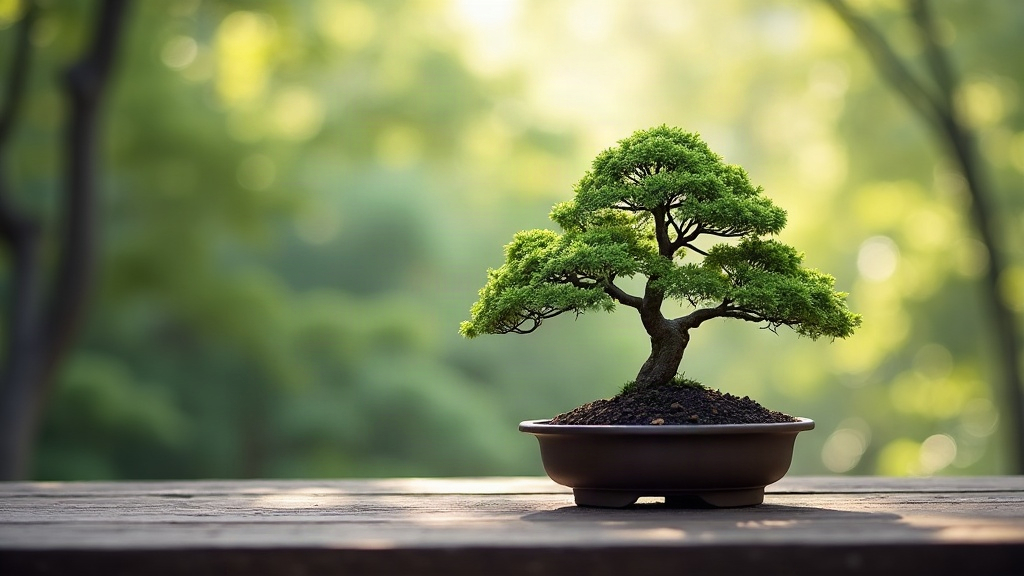
- Juniper → unglazed rectangular or oval, earth tones, never shiny
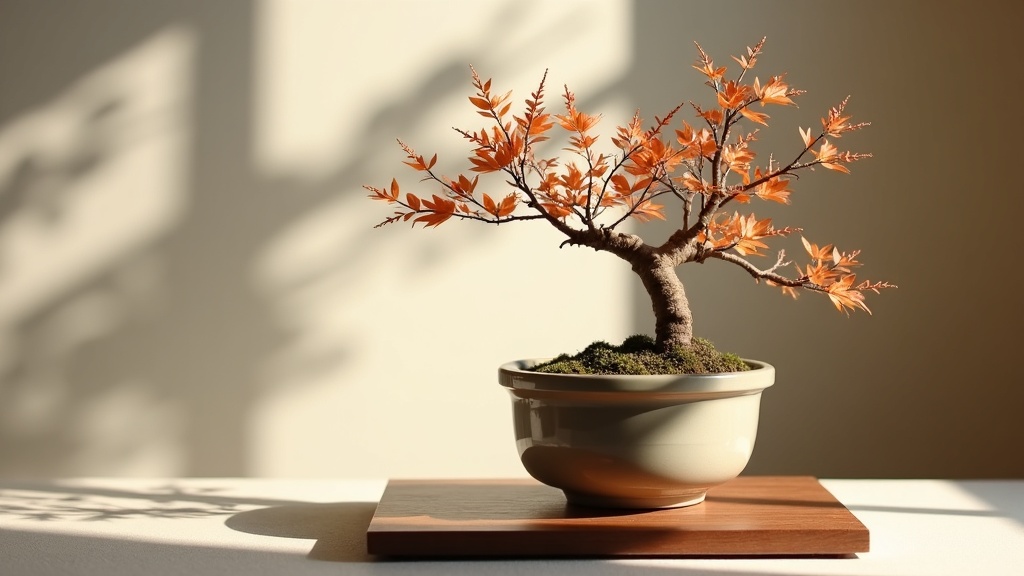
- Japanese maple → earthy tones, subtle texture; a soft oval or drum pot suits the delicate leaf structure
- Ficus → glazed acceptable, especially blue-greens or warm terracotta; more forgiving aesthetically
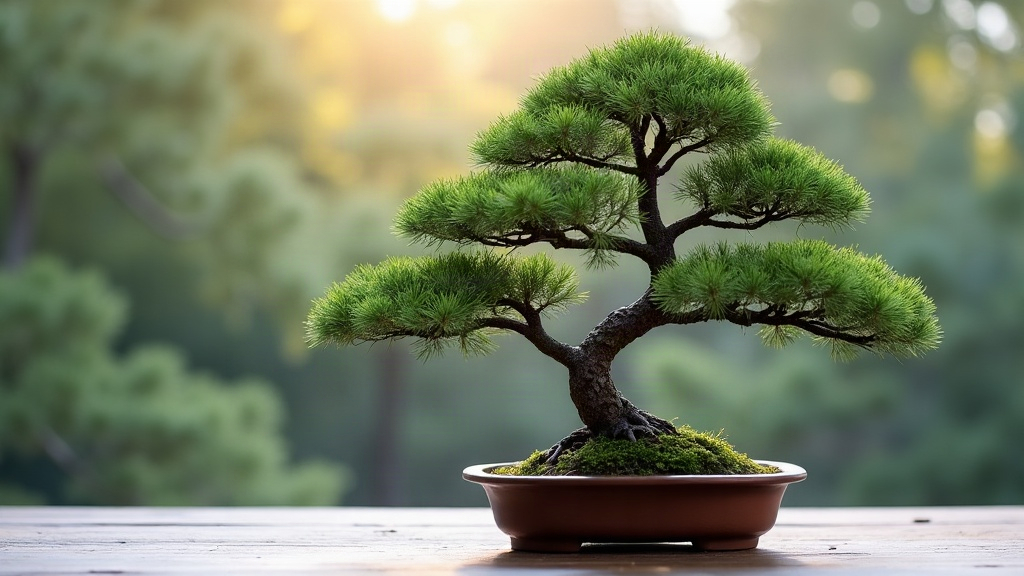
- Pine → deep, unglazed pots that convey stability; avoid feminine curves
- Flowering plum or cherry → soft glazed pot in white, celadon, or cream to echo the blossoms
The color guideline I learned early and never forgot: the glaze color should appear somewhere in the tree — in the bark, the foliage, the flower, or the fruit. This creates a visual thread between container and composition.
Best Bonsai Pots on Amazon 2026
You do not need to import pots from Japan to practice bonsai well. The following categories offer excellent options available through Amazon for all stages of the journey:
Best for Beginners: Plastic Training Pots
Inexpensive, durable, and available in multiple sizes. Perfect for nursery stock and trees in active development. Look for sets with multiple drainage holes and wiring channels.
→ Shop Plastic Bonsai Training Pot Sets on Amazon
Best Mid-Range Display Pot: Unglazed Ceramic
Unglazed stoneware provides breathability, classic aesthetics, and works beautifully with junipers, pines, and deciduous species. A quality unglazed ceramic oval is the workhorse of the display shelf.
→ Shop Unglazed Ceramic Bonsai Pots on Amazon
Best Japanese-Style Display Pot
For trees ready to be presented, a Japanese-style rectangular or cascade display pot elevates the composition. Look for hand-finished edges and stable, well-proportioned feet.
→ Shop Japanese-Style Bonsai Display Pots on Amazon
Best Mica Training Pot
Mica pots bridge the gap between plastic training pots and ceramic display pots. They are frost-resistant, lightweight, and look considerably more refined than basic plastic. Excellent for intermediate-stage trees or outdoor use in cold climates.
→ Shop Mica Bonsai Pots on Amazon
Frequently Asked Questions
What size pot should I use for a bonsai?
Use the two-thirds rule: your pot length should be approximately 2/3 of the tree’s height (for upright styles) or 2/3 of the widest spread (for spreading canopies). Pot depth should roughly equal the trunk diameter at the base.
Does bonsai pot size matter?
Yes, significantly. A pot that is too large retains excess moisture and slows refinement. A pot that is too small stresses the root system and limits growth. Correct sizing supports both health and aesthetics.
Should I use ceramic or plastic for bonsai?
Use plastic for trees in active training — they’re cheaper, more durable, and let roots develop freely. Switch to ceramic when the tree has reached display-worthy refinement. Unglazed ceramic is generally preferred for conifers; glazed works well for flowering and deciduous species.
How many drainage holes does a bonsai pot need?
At minimum, one large drainage hole. Wider or shallower pots benefit from two or more. Drainage holes should be large enough to pass a finger through, and the pot should sit on feet to allow free water flow underneath.
Are expensive Japanese bonsai pots necessary?
No — not for most practitioners, and certainly not for beginners. Authentic Tokoname pots are beautiful objects in their own right, but they are wasted on trees still in development. Invest in good technique, good substrate, and proper care first. The special pot can come when your tree has earned it.
Kenji’s Final Recommendation
If you are just beginning, buy a set of good plastic training pots. Do not overthink it. Your priority right now is learning to read your tree — its root structure, its growth patterns, its character. The pot is secondary.
When you reach the point where your tree is refined enough to present — when the nebari spreads evenly, the branch structure is set, the taper is visible — then sit with the tree for a long time before choosing its display pot. Ask yourself: what is the character of this tree? Is it old or young? Masculine or feminine? Spare or lush? Let the answers guide you toward a pot that speaks the same sentence.
That is wabi-sabi in practice. Not perfection. Not the most expensive pot. The right relationship between two imperfect, beautiful things.
The best bonsai pots are not the ones that impress at first glance. They are the ones you stop noticing — because pot and tree have become one composition.
has practiced bonsai for over twenty years with a focus on wabi-sabi philosophy, seasonal styling, and traditional Japanese aesthetics. He teaches workshops on container selection, repotting technique, and the philosophy of impermanence in bonsai culture.
Further reading: Choosing a Bonsai pot — Bonsai Empire | Bonsai Pots: Materials and Selection Guide — Bonsai Empire
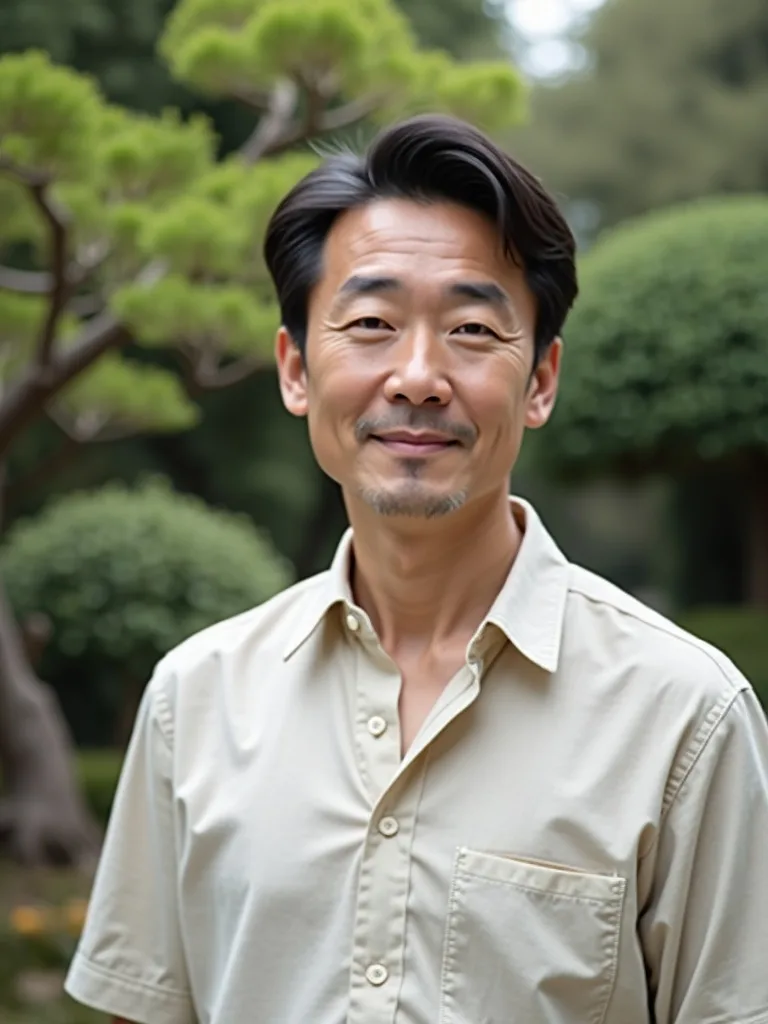
About Kenji
Bonsai Practitioner & Teacher — 20 Years
Kenji has practiced bonsai for over 20 years, training under master practitioners in Osaka and Kyoto before bringing his craft to Seattle. He approaches bonsai as a meditative discipline rooted in patience, observation, and deep respect for the natural world. Read more about Kenji