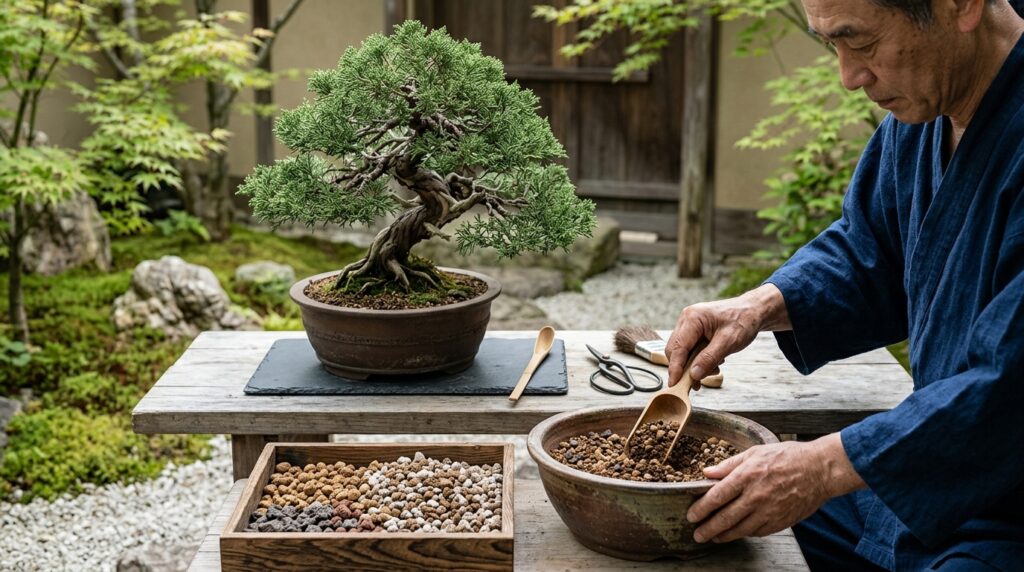
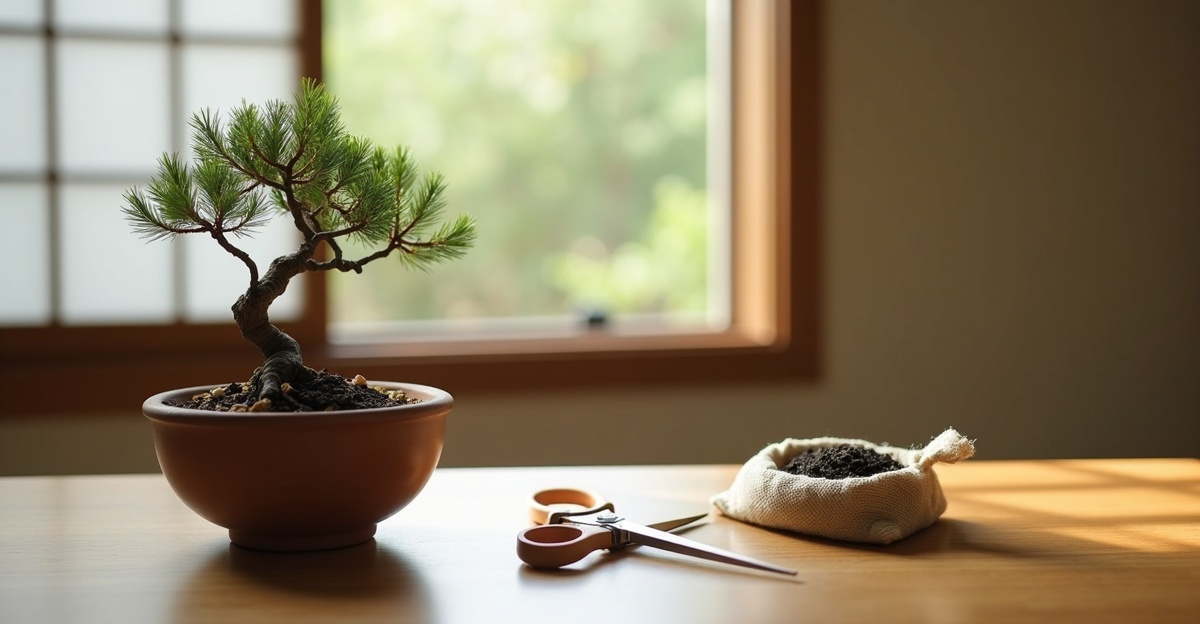
Every journey in bonsai begins with a single question: where do I start? When I first encountered this art form many years ago in Kyoto, I had nothing but a small juniper cutting, a pot I borrowed from my grandmother, and a great deal of patience. Today, beginners are fortunate to have access to starter kits that bundle the essentials into one thoughtful package.
But not all starter kits are created equal. Some offer genuine live trees with proper soil and basic tools. Others ship a handful of seeds and a pamphlet, leaving you to figure out the rest. After examining dozens of kits and hearing from students who have tried them, I have put together this guide to help you choose well from the start.
Before you commit to any kit, take a moment to read my guide on the best bonsai trees for beginners — understanding which species suit your lifestyle will make your kit selection much clearer.
What to Look for in a Bonsai Starter Kit
A good starter kit should remove friction, not create it. When evaluating any kit, consider these factors:
- Live tree vs. seeds: A kit with a pre-grown live tree gives you something to work with immediately. Seed kits require months of germination before any bonsai practice begins, and germination rates can be disappointing. For true beginners, live trees are almost always the better investment.
- Species suitability: Juniper, ficus, and Chinese elm are among the most forgiving species for beginners. Avoid kits built around temperamental species like Japanese maple or black pine until you have more experience.
- Tool quality: Cheap tools bend or rust quickly. A kit with basic but solid stainless steel scissors and wire cutters will serve you far longer than a set that dulls after two uses.
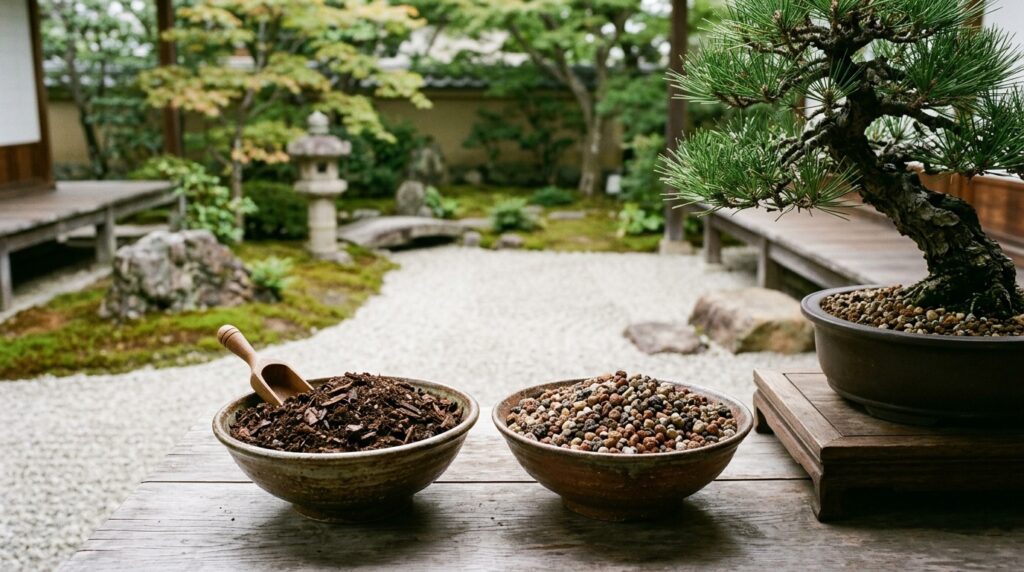
- Soil composition: Bonsai requires well-draining, mineral-rich soil. Generic potting mix holds too much moisture and invites root rot. The best kits include proper bonsai substrate or akadama-based blends. If yours does not, you will want to repot soon after arrival — my guide on the best bonsai soil mix explains what to use.
- Instructions and care guidance: A kit that leaves you guessing after unboxing is a frustrating gift. Look for detailed, species-specific care cards or access to digital guides.
- Pot drainage: The pot must have drainage holes. Without proper drainage, even the best watering habits will eventually cause root problems.
With those standards in mind, here are the starter kits I recommend most in 2026.
Best Overall: Brussel’s Bonsai Live Juniper Bonsai Starter Kit
Brussel’s Bonsai has been one of the most trusted names in the North American bonsai market for decades, and their live juniper starter kit is the one I point most beginners toward without hesitation.
The kit arrives with a pre-trained juniper — typically a Juniperus procumbens nana — that is already potted in a glazed ceramic pot with proper drainage. The tree has been shaped and trained for several years before it reaches you. This matters. Rather than starting with a seedling or a leggy nursery shrub, you receive something that already carries the quiet suggestion of a bonsai in miniature.
Included with the tree is a small set of tools: trimming scissors, wire, and a care guide specific to junipers. The soil used by Brussel’s is a proprietary blend with good drainage characteristics. The trees are also inspected before shipping, which reduces the risk of receiving a stressed or pest-affected specimen.
Juniper is an outdoor species. It requires full sun and should never be kept permanently indoors. If you have a balcony, patio, or garden space, this kit is an excellent introduction to the art. If you need an indoor option, see the next recommendation instead.
View the Brussel’s Live Juniper Bonsai Starter Kit on Amazon
Best for: Outdoor growing, those who want a pre-trained tree
Species: Juniperus procumbens nana
Includes: Live tree, ceramic pot, basic tools, care guide
Best for Indoor Beginners: Ficus Retusa Bonsai Kit
For those without outdoor space, the ficus bonsai is the species I have seen survive and even thrive in apartments, offices, and living rooms across climates far less hospitable than Japan. Ficus retusa — sometimes sold as ficus microcarpa or the tiger bark ficus — is tolerant of lower light, irregular watering, and the dry air that comes with indoor heating.
Several vendors on Amazon offer ficus bonsai starter kits that include a pre-grown tree in a ceramic training pot, along with a small tool set and fertilizer pellets. When selecting one, look for a kit that specifies the tree’s age — a three to five year old ficus already has a character that a seedling will take years to develop.
The ficus is also one of the best species for learning basic bonsai techniques: pruning to shape, wiring small branches, and adjusting the nebari (the surface root spread). It responds quickly and visibly to your attention, which makes the learning curve feel manageable rather than discouraging.
View Ficus Bonsai Starter Kits on Amazon
Best for: Indoor growing, apartment dwellers
Species: Ficus retusa or Ficus microcarpa
Includes: Live tree, training pot, fertilizer, basic care guide
Best Tools-Focused Kit: Professional Bonsai Tool Set with Accessories
Some beginners already have a tree — perhaps a juniper from a nursery or a gifted ficus — and what they truly need is a proper set of tools to begin working with it. For this situation, I recommend investing in a quality tool kit rather than a tree-plus-tools bundle where the tools are often an afterthought.
The best beginner tool kits available in 2026 include at minimum: a concave branch cutter, a pair of bonsai shears, a wire cutter, bonsai wire in two or three gauges, a root hook for repotting, a bonsai rake, and a soil scoop. Some kits add training wire, jin pliers, and a small watering can.
Look for kits that use carbon steel or stainless steel tools with wooden or resin handles. Avoid kits with aluminum tools — they are too soft to hold an edge. A sturdy storage case or roll-up pouch is also a practical bonus that many inexpensive kits omit.
If you are new to bonsai tools, my companion guide on the best bonsai tools for beginners and advanced growers covers the full range of implements you will encounter as you progress.
View Bonsai Tool Kits on Amazon
Best for: Those who already have a tree
Includes: Concave cutters, shears, wire cutters, multiple gauges of wire, root hook, rake
Material: Carbon steel or stainless steel recommended
Best Complete Bundle: Bonsai Boy of New York Starter Collection
Bonsai Boy of New York is a respected name with decades of experience shipping live trees across the United States. Their starter collection bundles a live pre-trained tree (your choice of species in many cases), a matching glazed ceramic pot, basic tools, fertilizer, and a detailed printed care guide that explains watering schedules, light requirements, and when to repot.
What sets this kit apart is the level of customer support that accompanies it. Their care instructions are among the clearest I have seen packaged with a consumer bonsai kit, and their website provides additional species-specific guidance. For a beginner who wants one place to start and not feel lost after the unboxing, this is a particularly strong option.
They offer both indoor and outdoor varieties, so the kit can be tailored to your living situation before purchase.
View Bonsai Boy of New York Kits on Amazon
Best for: Gift-giving, comprehensive beginners who want guided support
Includes: Live tree, ceramic pot, tools, fertilizer, detailed care guide
Best Budget Option: TOAUTO Bonsai Starter Kit
Not everyone wants to spend heavily before they know whether bonsai is a hobby that will hold their attention. The TOAUTO bonsai starter kit is a budget-friendly option that includes a modest set of tools, growing containers, soil mix, and drainage mesh — everything needed to begin working with a tree you source locally from a nursery.
The tools in budget kits like this one are not professional grade, and I would not recommend them for delicate or advanced work. However, they are adequate for learning the basic motions: trimming overgrowth, anchoring wire, and raking roots during repotting. If you find that bonsai captivates you, upgrading to better tools six months later will feel natural and well-earned.
The TOAUTO kit is also a sensible choice for educators, workshop instructors, or parents introducing bonsai to children.
View the TOAUTO Bonsai Starter Kit on Amazon
Best for: Budget-conscious beginners, workshops, gift sets
Includes: Basic tool set, drainage mesh, soil components, training pots
Note: Tree not included; purchase locally at a nursery
A Note on Seed Kits
You will find many bonsai seed kits on Amazon, often priced attractively and marketed with beautiful photography. I want to be honest with you: growing a bonsai from seed is a multi-decade commitment. Seeds must first germinate — which is itself uncertain — then grow into seedlings, then spend years as young trees before any bonsai training can meaningfully begin.
Seed kits are not starter kits in any practical sense. They are an exercise in botanical patience that even experienced practitioners approach with humility. If you are drawn to the idea of growing from seed, by all means explore it — but do so alongside a live tree, not instead of one.
Frequently Asked Questions
Are bonsai starter kits worth it for complete beginners?
Yes, when chosen carefully. A good starter kit removes the friction of sourcing the right tree, tools, and soil separately. The key is selecting a kit built around a live, pre-trained tree rather than seeds, and one that includes quality tools and accurate care instructions.
What is the easiest bonsai tree for a first-time grower?
Ficus retusa is widely considered the most beginner-friendly indoor bonsai. For outdoor growers, juniper — particularly Juniperus procumbens nana — is forgiving and widely available. Both species tolerate mistakes while you are still learning. See my full guide on the best bonsai trees for beginners for a thorough comparison.
How much should I expect to spend on a starter kit?
A quality live-tree starter kit typically ranges from $40 to $100 depending on the tree’s age, species, and the tools included. Tool-only kits can be found in the $25 to $60 range. Avoid kits priced below $20 that claim to include a live tree — the trees in those packages are almost always very small or stressed from poor shipping conditions.
Can I keep a bonsai indoors?
It depends entirely on the species. Tropical species like ficus, jade, and Fukien tea can thrive indoors with adequate light — ideally near a south-facing window or supplemented with a grow light. Temperate species like juniper, pine, and maple are outdoor trees and will decline if kept inside permanently. Always confirm the species before purchasing any kit.
What soil should I use with my bonsai starter kit?
If your kit does not include proper bonsai soil, repot your tree into a mix of akadama, pumice, and lava rock. This combination provides excellent drainage, aeration, and mineral content. Regular potting soil retains too much moisture and can suffocate bonsai roots over time. My detailed breakdown of the best bonsai soil mixes will guide you through the ratios.
How soon can I start training the tree in a starter kit?
Give a newly received tree at least two to four weeks to acclimate to its new environment before making significant cuts or applying wire. This is especially important if the tree has been shipped. Watch for stable new growth as a sign that the tree has settled. Patience at this stage prevents unnecessary stress and sets the foundation for healthy development.
Bonsai is not a hobby of fast results. It is a discipline of steady observation, small decisions made with care, and a willingness to learn from each tree’s response. A good starter kit does not promise mastery — it simply opens the door. Step through it slowly, and the practice will reward you for years to come.

About Kenji
Bonsai Practitioner & Teacher — 20 Years
Kenji has practiced bonsai for over 20 years, training under master practitioners in Osaka and Kyoto before bringing his craft to Seattle. He approaches bonsai as a meditative discipline rooted in patience, observation, and deep respect for the natural world. Read more about Kenji