Affiliate Disclosure: As an Amazon Associate I earn from qualifying purchases. This post contains affiliate links — if you buy something through them, I receive a small commission at no extra cost to you.
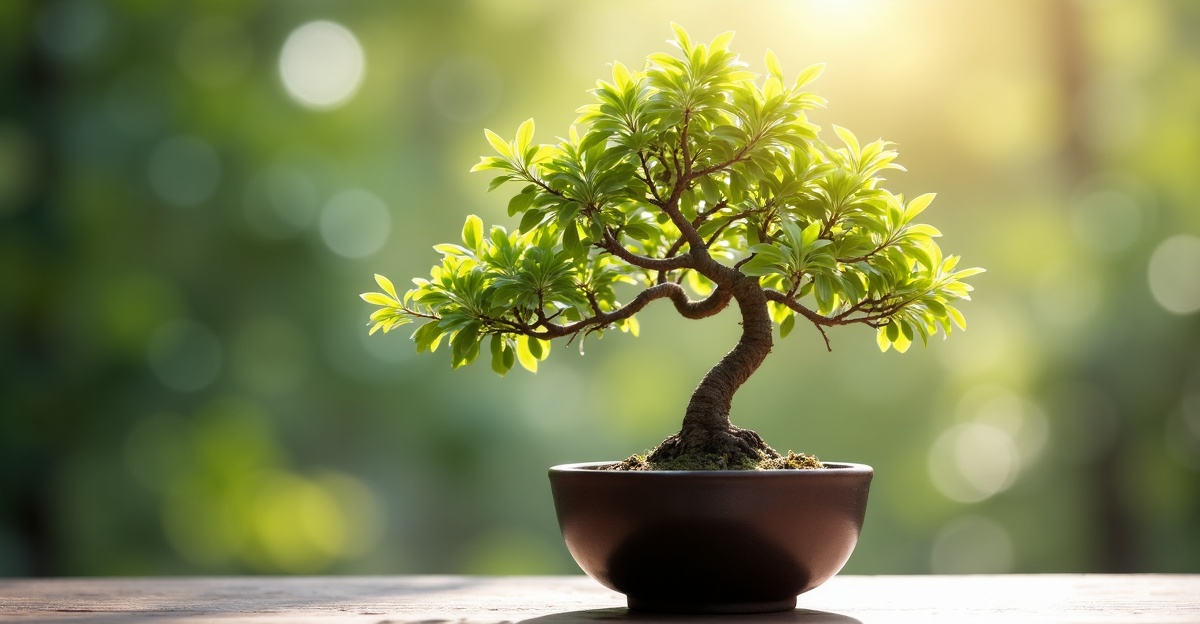
When someone asks me where to start with bonsai, I almost always say the same thing: start with a Chinese elm. After twenty years of working with dozens of species — from Japanese maples to juniper, from black pine to ficus — I keep coming back to this resilient, forgiving, and genuinely beautiful tree. Chinese elm bonsai care is approachable enough for complete beginners, yet interesting enough to hold the attention of seasoned practitioners. Let me share everything I know.
My First Chinese Elm: A Lesson in Resilience
I remember my first Chinese elm vividly. I bought it at a market stall in Osaka when I was in my mid-twenties, barely knowing what I was doing. It was a scraggly little thing — decent trunk movement but overgrown, pot-bound, clearly neglected. I repotted it improperly (too large a pot, wrong soil mix), over-watered it for the first month, and at one point left it outside during an unexpected cold snap. And yet it survived. It didn’t just survive — it thrived. By the second year, that tree had the most beautiful fine twig ramification I had seen on a tree that young. The Chinese elm taught me that bonsai doesn’t have to be a war against nature. Sometimes it’s a partnership.
What Makes Chinese Elm Bonsai Care So Beginner-Friendly?
The Chinese elm (Ulmus parvifolia) has several qualities that make it ideal for new bonsai enthusiasts:
- Forgiving of mistakes: It tolerates inconsistent watering, imperfect repotting, and occasional neglect far better than most bonsai species.
- Fast back-budding: Aggressive pruning encourages dense new growth quickly, which is motivating for beginners who want to see results.
- Semi-evergreen to deciduous: Depending on your climate, it may keep its leaves year-round or drop them in winter — both are normal and fine.
- Incredible bark texture: Even young trees develop attractive mottled, flaking bark that gives the tree an aged, dramatic appearance.
- Suitable indoors or outdoors: With the right light, Chinese elms can thrive either inside or outside, making them versatile for people in all living situations.
Chinese Elm Bonsai Care: Light Requirements
Light is the single most important variable in successful Chinese elm bonsai care. These trees are sun-lovers at heart.
Outdoor trees should receive at least four to six hours of direct sunlight per day. Morning light with afternoon shade is ideal in hot climates. In temperate zones, full sun all day is generally fine.
Indoor trees need to be positioned at your brightest window — typically south or west-facing. If your space lacks sufficient natural light, a quality grow light makes a significant difference. I’ve had good results with LED grow lights placed 10–12 inches above the canopy for 12–14 hours daily. If you’re setting up an indoor growing station, a full-spectrum LED grow light is a worthy investment.
Watering Your Chinese Elm Bonsai
The golden rule of bonsai watering applies here: water when the top half-inch of soil begins to dry, not on a fixed schedule. Chinese elms prefer consistent moisture but will struggle if left sitting in waterlogged soil.
In summer or in warm indoor environments, you may need to water once or even twice daily. In winter when the tree is dormant or semi-dormant, watering frequency drops significantly — sometimes only every few days.
Use a watering can with a fine rose head to water gently and evenly across the entire soil surface. Water until it drains freely from the drainage holes. A bonsai-specific watering can with a fine rose head makes this process much easier and avoids disturbing the soil or washing away topdressing.
Soil Mix for Chinese Elm Bonsai
One of the biggest mistakes I see beginners make is using standard potting compost for their Chinese elm. Regular compost compacts over time, retains too much moisture, and suffocates roots. A proper bonsai soil mix provides excellent drainage while still holding enough moisture to support growth.
My preferred mix for Chinese elm is approximately:
- 60% Akadama (a fired clay granule that holds moisture and breaks down gradually)
- 20% pumice (improves drainage and aeration)
- 20% decomposed granite or lava rock (structural drainage)
If you’re in a drier climate, you can increase the Akadama proportion. In humid areas, lean toward more pumice. This mix creates the “sponge with structure” that bonsai roots need.
Fertilizing: Feeding for Vigorous Growth
Chinese elms are moderate to heavy feeders during the growing season. I fertilize my elms from early spring through mid-autumn, tapering off as days shorten.
A balanced fertilizer (equal N-P-K ratio) works well in spring and early summer when you want to encourage leaf and branch growth. As summer transitions to autumn, switch to a low-nitrogen, higher-potassium fertilizer to encourage lignification and root development before winter. Liquid fertilizers are easy to control; slow-release pellets placed on the soil surface are also effective and convenient.
During winter dormancy, stop fertilizing entirely. The tree needs rest.
Pruning and Ramification
This is where Chinese elm truly shines. These trees respond magnificently to pruning, back-budding readily even from old wood. For Chinese elm bonsai care focused on developing fine ramification — the delicate, dense twig structure that gives mature bonsai their aged appearance — regular pinching and pruning is essential.
During the growing season, I pinch back new shoots once they’ve extended three to four pairs of leaves, trimming back to one or two pairs. This encourages back-budding and creates the fine branching structure we’re after. Once the basic structure is established, you can perform more significant structural pruning in early spring, just before buds break.
Always use sharp, clean tools. Clean cuts heal faster and reduce disease risk. Seal larger cuts with cut paste or wound sealant to prevent dieback.
Repotting Chinese Elm Bonsai
Young Chinese elms in development may need repotting every one to two years. Mature, styled trees can go three to four years between repots. The key indicator: when roots begin to circle the pot or emerge densely from drainage holes, it’s time.
Repot in early spring, just as buds swell but before leaves fully open. This timing allows the tree to immediately use the energy of the growing season to recover and establish new roots. Prune roots by about one-third, remove any dead or circling roots, and place in fresh bonsai soil mix.
Common Problems in Chinese Elm Bonsai Care
Leaf drop: Indoor Chinese elms often shed leaves in autumn even without going dormant. This is usually normal, especially if the tree is adjusting to lower light levels. New leaves will follow. If leaf drop is accompanied by yellowing or happens in spring/summer, check watering and root health.
Spider mites: These are the most common pest on Chinese elms kept indoors. They thrive in dry conditions. Increase humidity, ensure good air circulation, and treat with neem oil or insecticidal soap at the first sign of fine webbing or stippled foliage.
Scale insects: Look for small brown bumps on branches. Treat by removing manually with a toothbrush and applying horticultural oil.
Root rot: Caused by overwatering or poor drainage. Prevention through proper soil mix is far more effective than any treatment.
Is the Chinese Elm Really the Best Beginner Species?
After twenty years, my answer is: yes — for most people in most situations. The Chinese elm combines visual beauty, structural interest, rapid development, and genuine resilience in a way that few species match. It rewards good care with fast, visible results, and forgives the inevitable mistakes every beginner makes.
That said, “best” always depends on your specific context. If you live in a cold climate with harsh winters and want an outdoor tree, a Japanese larch or Korean hornbeam might suit you better. If you want something that thrives in intense heat, a bougainvillea might be more appropriate. But for the broadest range of conditions and the widest range of practitioners — the Chinese elm is hard to beat.
Chinese Elm Bonsai Care: Frequently Asked Questions
Can Chinese elm bonsai live indoors permanently?
Yes, with adequate light. A south or west-facing window, or a quality grow light, can support a Chinese elm year-round indoors. They don’t require cold dormancy the way some species do, though they may naturally shed leaves in autumn even indoors.
How often should I water my Chinese elm bonsai?
There’s no universal schedule — it depends on your climate, pot size, soil mix, and season. Check the soil daily and water when the top half-inch dries out. In summer, that may mean watering once or twice a day. In winter, it may be every few days.
Why is my Chinese elm dropping leaves?
Leaf drop in autumn is often normal, especially for indoor trees adjusting to lower light. If it happens outside this season, investigate watering habits, root health, and pest activity.
How fast does a Chinese elm bonsai grow?
Chinese elms are among the faster-growing bonsai species. With good care — proper light, consistent watering, regular fertilizing — you can develop impressive ramification within just two to three years.
When should I repot my Chinese elm bonsai?
Early spring, just as buds are beginning to swell. Young development trees every one to two years; mature styled trees every three to four years, or when roots become pot-bound.
Further Reading and Citations
For more in-depth guidance on Chinese elm bonsai care, I recommend exploring these resources:
- Bonsai Empire: Chinese Elm Species Guide — a comprehensive technical reference covering styling, care calendar, and propagation.
- Art of Bonsai Project — a community resource with gallery examples and practitioner discussions on deciduous species including Chinese elm.