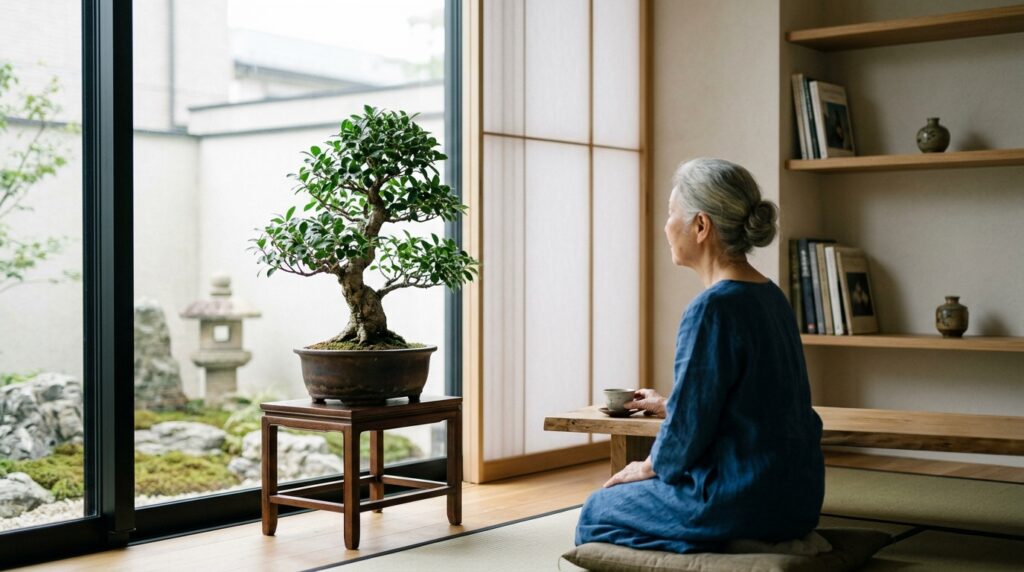
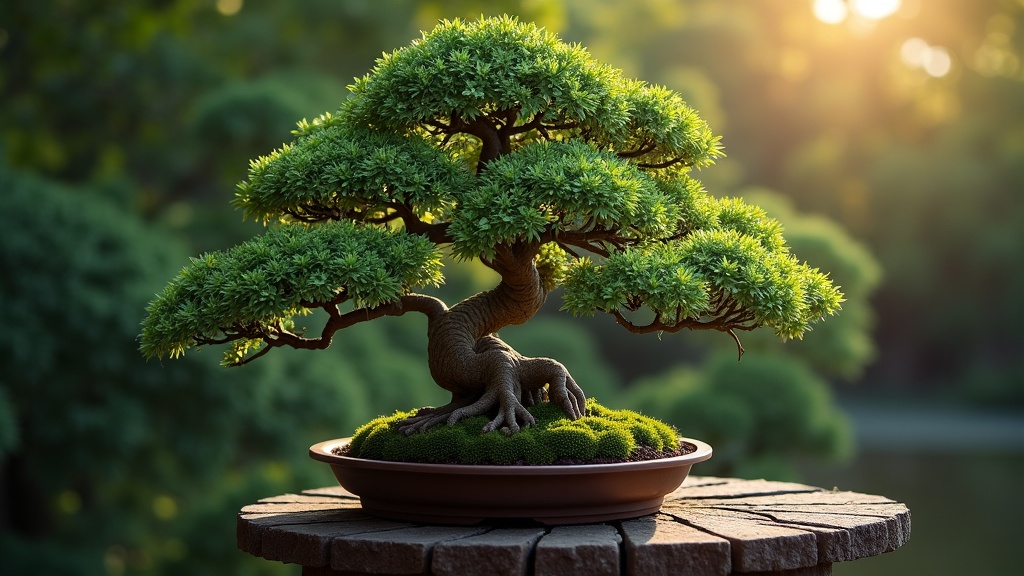
After two decades of caring for bonsai, I’ve learned that success comes not from a single technique, but from understanding the rhythm of your tree. Bonsai care is a daily practice of observation, patience, and small adjustments—not a set of rigid rules.
The trees I trained with in Osaka taught me that each species, each individual plant, speaks its own language. Your maple will have different needs than your juniper, and even two pines of the same species may ask for slightly different care based on their age, pot size, and microclimate. Let me share what twenty years of practice has taught me about keeping bonsai healthy and beautiful.
Understanding Your Bonsai’s Basic Needs
Every bonsai requires five fundamental elements in balance: water, light, nutrients, air circulation, and appropriate temperature. When I first began studying in Kyoto, my teacher had me spend three months doing nothing but watering. This wasn’t punishment—it was the foundation.
The Art of Watering
Watering is both the simplest and most critical aspect of bonsai care. I check my trees every single day, sometimes twice in summer. The soil should never fully dry out, but it should never stay waterlogged either. Push your finger about half an inch into the soil—if it feels dry, water thoroughly until water runs from the drainage holes.
I use a watering can with a fine rose to create a gentle rain rather than a harsh stream. Water in the morning when possible, allowing the tree time to drink before the heat of the day. In winter, reduce watering but never let the soil become bone-dry.
Light Requirements by Species
Most bonsai are outdoor trees that need direct sunlight. This surprises many beginners who imagine bonsai as indoor decorations. Here’s what different species typically require:
| Species Type | Light Needs | Placement |
|---|---|---|
| Juniper, Pine, Cedar | 6-8 hours direct sun | Full sun outdoor position |
| Japanese Maple, Elm | 4-6 hours, morning sun preferred | Partial shade, protected from harsh afternoon sun |
| Azalea, Camellia | Filtered light, 4-5 hours | Dappled shade under taller plants |
| Tropical (Ficus, Jade) | Bright indirect light indoors | South-facing window, can be outdoors in summer |
Rotate your tree a quarter turn every week to ensure even growth. Trees naturally lean toward light, and rotation prevents lopsided development.
Soil, Potting, and Root Care
Bonsai soil is not garden soil. We use specialized bonsai soil mix that drains quickly while retaining just enough moisture. My standard mix combines akadama, pumice, and lava rock in equal parts, though I adjust ratios based on species and climate.
When and How to Repot
Young trees need repotting every 1-2 years, mature trees every 3-5 years. The best time is early spring, just before the buds swell. Signs your tree needs repotting include:
- Water draining very slowly or pooling on the surface
- Roots circling densely around the pot’s edge
- Soil breaking down into fine particles
- Tree showing reduced vigor despite proper care
When repotting, I remove about one-third of the root mass, focusing on the outer edges and bottom. Use sharp, clean bonsai root scissors to make clean cuts. Never remove more than half the roots in a single session—this is one place where patience truly matters.
Pruning and Shaping Techniques
Pruning serves two purposes: maintaining health and developing form. I distinguish between maintenance pruning, which I do throughout the growing season, and structural pruning, which happens during dormancy.
Maintenance Pruning
Remove dead, diseased, or crossing branches whenever you spot them. Pinch back new growth to maintain the tree’s silhouette. For deciduous trees, I typically allow 4-6 leaves to develop on a shoot, then trim back to 2-3 leaves. This encourages ramification—the fine branching that gives bonsai their aged appearance.
Use proper bonsai pruning shears that make clean cuts. Jagged cuts invite disease and heal poorly.
Wiring for Shape
Wiring allows you to position branches and create movement in the trunk. I wrap aluminum bonsai wire at a 45-degree angle around branches, then gently bend them into position. The wire should be snug but not cutting into the bark.
Check wired branches every two weeks. Remove wire before it bites into the bark—usually after 2-4 months for deciduous trees, 8-12 months for conifers. Some practitioners rush this process. I’ve learned that patience prevents scars that can take years to heal.
Fertilizing Through the Seasons
Bonsai live in tiny pots with limited soil, so they depend on us for nutrients. I fertilize from early spring through fall, then stop during winter dormancy. Use a balanced organic bonsai fertilizer at half the recommended strength, applied every two weeks during the growing season.
In spring, I use a formula slightly higher in nitrogen to encourage leaf growth. In late summer and fall, I switch to one higher in phosphorus and potassium to strengthen the tree before winter. This mimics the natural cycle trees experience in the forest.
Seasonal Care Calendar
Bonsai care follows the rhythm of the seasons. Here’s how my practice shifts through the year:
Spring: The Season of Growth
Spring is the busiest time. I repot before buds open, increase watering as growth accelerates, and begin regular fertilizing. This is when I do major structural work—spring growth quickly covers mistakes.
Summer: Vigilance and Protection
Summer demands daily attention. Water may be needed twice a day in extreme heat. I move heat-sensitive species to afternoon shade and watch for pests that thrive in warm weather. Continue fertilizing but reduce strength in extreme heat.
Autumn: Preparation and Appreciation
Fall is for refinement. I clean up the summer’s wild growth, reduce fertilizing, and begin preparing trees for dormancy. This is when deciduous species offer their most spectacular displays—the reward for a year’s careful attention.
Winter: Rest and Protection
Outdoor bonsai need winter chill but also protection from extreme cold. I place my trees in an unheated garage or cold frame when temperatures drop below 25°F (-4°C). Water sparingly—just enough to prevent the roots from drying completely. No fertilizer during dormancy.
Common Mistakes I See Often
After teaching for fifteen years, I notice the same errors repeatedly. Awareness prevents most problems:
Overwatering in poor-draining soil. More bonsai die from soggy roots than from drought. Proper soil is the foundation of everything else.
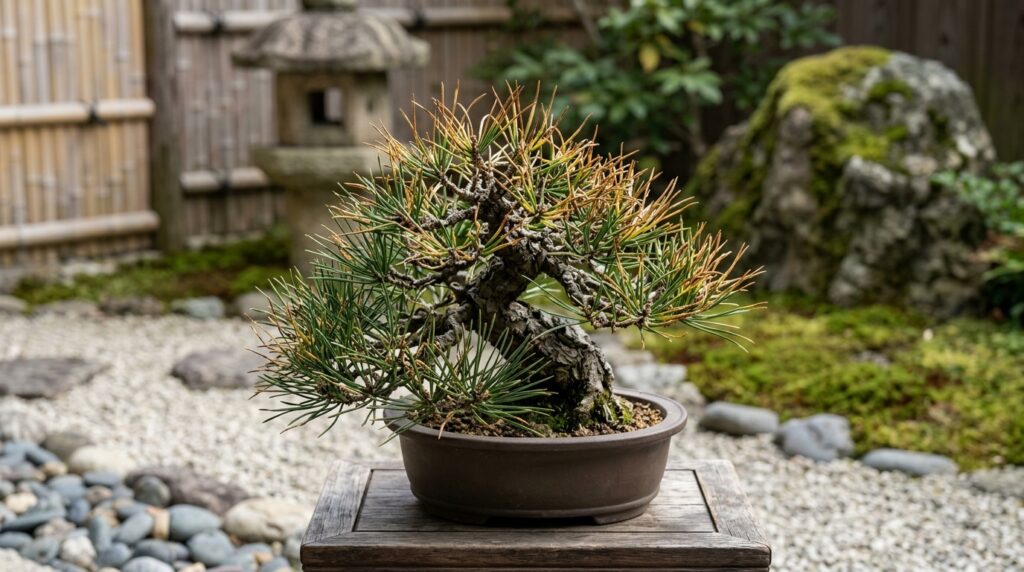
Keeping outdoor species indoors. A juniper is not a houseplant. It needs winter cold to trigger dormancy. Without this rest period, it will slowly decline.
Pruning too aggressively. Never remove more than one-third of the foliage at once. The tree needs leaves to produce energy for healing.
Using the wrong tools. Garden scissors tear branch tissue. Invest in proper bonsai tool kit and keep them sharp.
Expecting quick results. Bonsai is measured in years, not weeks. Each season builds on the last. The wabi-sabi philosophy teaches us to find beauty in the process, not just the outcome.
Pest and Disease Management
Healthy trees resist most problems, but vigilance catches issues early. I inspect every tree during daily watering, looking under leaves and along branches.
Aphids, spider mites, and scale are the most common pests. I prefer treating with neem oil spray rather than harsh chemicals. Apply in the evening to avoid leaf burn, and repeat every 5-7 days until the problem resolves.
Fungal issues usually indicate poor air circulation or excessive moisture. Prune for better airflow, reduce watering slightly, and remove affected leaves immediately.
Frequently Asked Questions
How often should I water my bonsai?
Check the soil daily. Water thoroughly when the top half-inch feels dry to the touch. In summer this might mean twice daily; in winter, every few days. The key is observation, not a fixed schedule. Each tree, location, and season creates different needs.
Can I keep my bonsai indoors?
Only if you have a tropical species like ficus, jade, or fukien tea. Most bonsai are temperate outdoor trees that require seasonal temperature changes, particularly winter dormancy. A juniper or maple kept permanently indoors will eventually fail, despite your best efforts.
When is the best time to prune my bonsai?
For maintenance pruning—removing excess growth to maintain shape—prune throughout the growing season as needed. For structural pruning—removing major branches or heavy cutting—work during late winter dormancy before spring growth begins. The tree’s energy is stored in the roots then, allowing vigorous recovery.
How do I know if my bonsai is healthy?
A healthy bonsai shows consistent growth during the growing season, with vibrant leaf color appropriate to the species. New shoots emerge from old wood, and the tree responds predictably to the seasons. Watch for warning signs like yellowing leaves out of season, die-back of branch tips, or sudden leaf drop.
What’s the most important aspect of bonsai care?
If I had to choose one thing, it would be daily observation. Spend time with your trees each day, even if just for a few minutes. You’ll notice changes before they become problems, understand each tree’s individual rhythm, and develop the intuition that separates maintenance from genuine care. This daily practice is where technique becomes art.