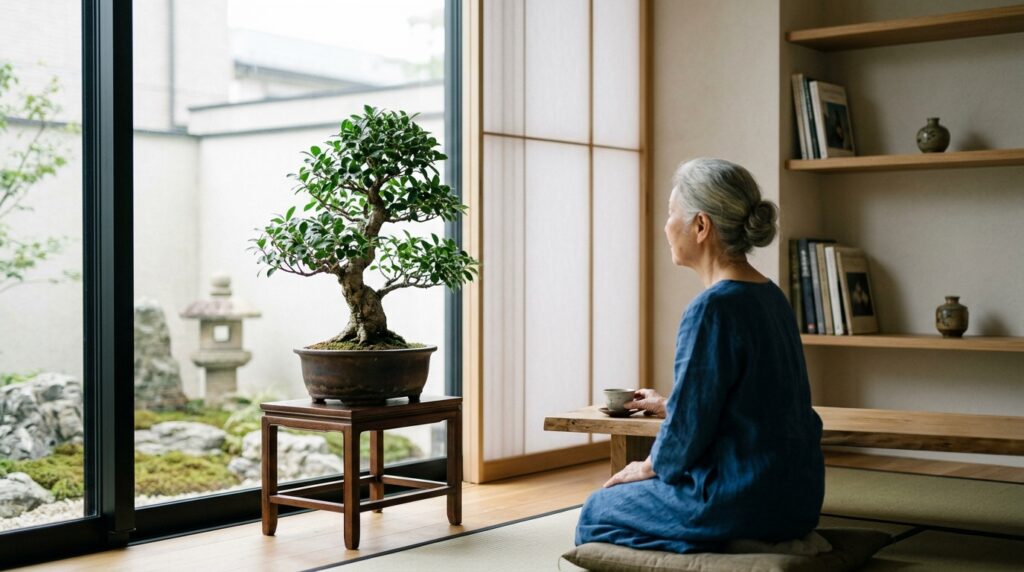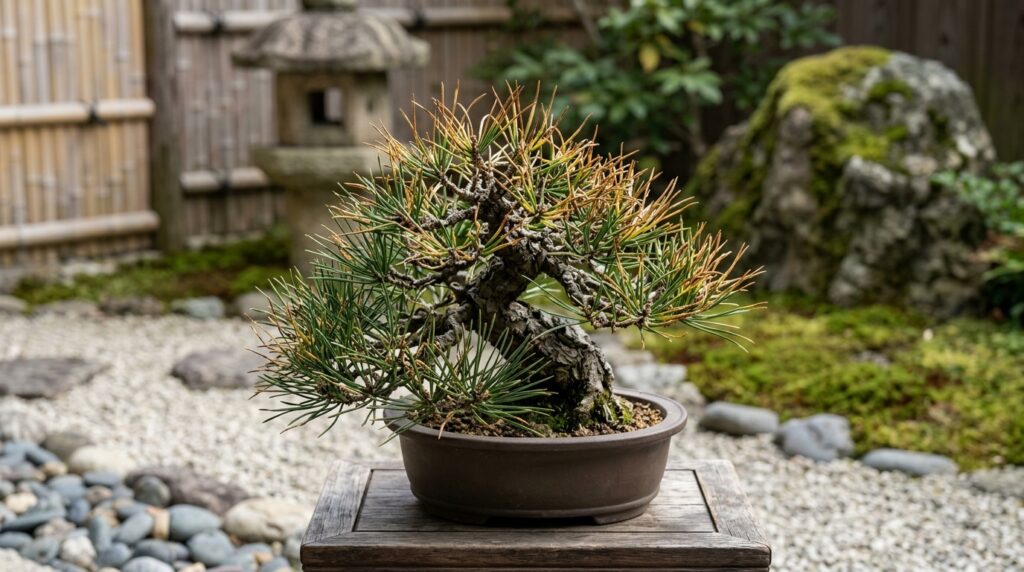
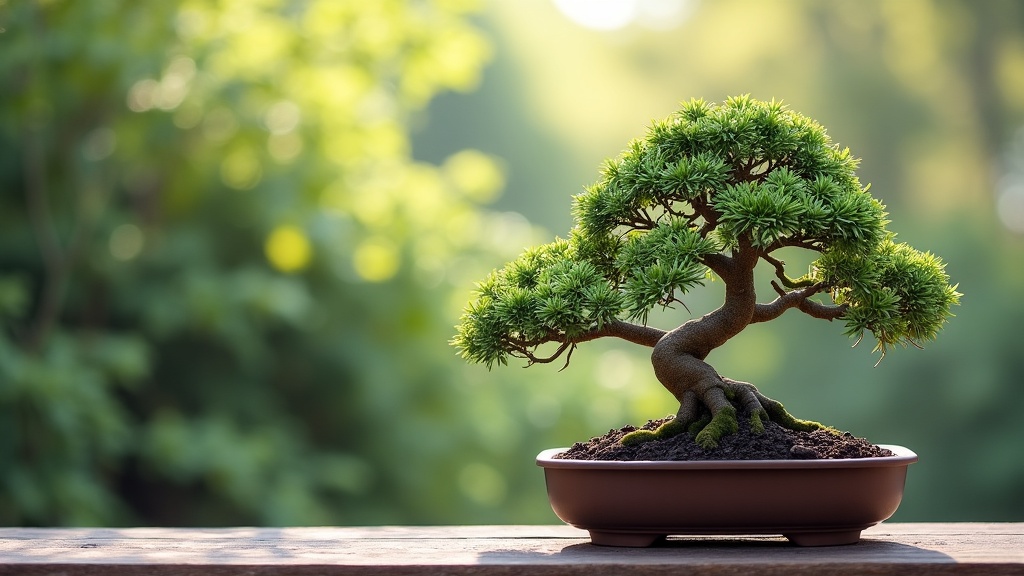
Yes, bonsai are excellent to keep at home—if you understand what they need and commit to their care. I’ve watched hundreds of students bring their first tree home with excitement, only to struggle when reality meets expectation.
After two decades of practice, I’ve learned that the question isn’t whether bonsai are “good” for your home, but whether your home and habits align with what these living sculptures require. Let me share what I’ve observed.
The Real Benefits of Keeping Bonsai at Home
When I first moved my practice from the nursery grounds in Osaka to my own apartment, I discovered benefits I hadn’t anticipated. Bonsai aren’t just decorative plants—they become daily meditation partners.
Daily Mindfulness Practice
Every morning, I check each tree: soil moisture, foliage color, new growth. This ritual forces me to slow down, to notice subtle changes. In our accelerated world, bonsai demand patience. You can’t rush a branch’s growth or force a trunk to thicken. This acceptance of natural time becomes a practice in itself.
The watering alone requires presence. Too much water drowns the roots; too little stresses the tree. You learn to read your plant, to feel the soil weight, to observe the leaf turgor. This isn’t maintenance—it’s relationship.
Living Art That Evolves
Unlike a painting or sculpture, your bonsai changes constantly. The spring flush of new growth, autumn color changes, winter dormancy—each season brings transformation. I’ve shaped some trees for fifteen years, and they still surprise me. This dynamic quality keeps the practice fresh.
Wabi-sabi philosophy teaches us to find beauty in impermanence and imperfection. Bonsai embody this perfectly. The aged bark, the deadwood feature, the asymmetrical branch structure—these “flaws” create character.
Connection to Natural Cycles
City living can disconnect us from seasonal rhythms. My bonsai ground me in these cycles. When my maple’s leaves emerge in spring, when my juniper’s growth slows in autumn, when dormancy arrives in winter—I’m connected to patterns larger than my daily routine.
What Your Home Needs to Support Bonsai
Success with bonsai starts with honest assessment of your environment. I’ve seen beautiful trees decline simply because the home couldn’t provide what they needed.
Light Requirements
Most bonsai species need substantial light—at least 6 hours of bright, indirect light daily. South-facing windows work best in northern hemisphere homes. East or west-facing windows can work for less demanding species.
If your home lacks natural light, consider full spectrum grow lights for bonsai. I use these for my indoor tropicals during winter months. They’re not ideal substitutes for sunlight, but they prevent decline.
Temperature and Dormancy
Here’s where many beginners stumble: temperate species need winter dormancy. Your maple, elm, or juniper must experience cold temperatures (typically 30-45°F) for 2-3 months annually. If you keep them in a heated house year-round, they’ll weaken and eventually die.
I keep my temperate species on an unheated porch through winter. If you live in an apartment without outdoor access, you face a significant constraint. Tropical species (ficus, jade, Chinese elm as indoor variety) bypass this issue but offer different challenges.
Humidity Considerations
Bonsai in shallow pots dry out faster than conventional houseplants. During winter, when indoor heating runs constantly, humidity often drops below 30%. Most bonsai prefer 50-60% humidity.
I use humidity trays for bonsai trees under each pot—simple trays filled with gravel and water. As water evaporates, it creates a microclimate around the tree. Just ensure the pot sits on gravel above the waterline, not in standing water.
Indoor vs. Outdoor: Matching Species to Your Space
The “indoor bonsai” concept requires clarification. No tree naturally lives indoors—we’re adapting certain species to indoor conditions. Understanding this distinction shapes realistic expectations.
| Species Type | Best Location | Key Requirements | Difficulty |
|---|---|---|---|
| Tropical Species (Ficus, Jade, Schefflera) |
Indoors year-round | Bright light, consistent temps (60-75°F), moderate humidity | Beginner-friendly |
| Temperate Species (Maple, Pine, Juniper) |
Outdoor with winter protection | Full sun, seasonal temps, winter dormancy (30-45°F) | Moderate |
| Chinese Elm (Indoor) | Indoors or sheltered outdoor | Bright light, tolerates variable temps, flexible dormancy | Beginner-friendly |
| Azalea, Serissa | Bright indoor or protected outdoor | High light, consistent moisture, acidic soil, sensitive to changes | Advanced |
Starting With the Right Species
For true indoor keeping, I recommend ficus to beginners. Ficus benjamina, ficus retusa, and ginseng ficus tolerate indoor conditions better than most species. They forgive minor watering inconsistencies and adapt to moderate light levels.
Chinese elm cultivated as indoor varieties occupy a middle ground. They’re more forgiving than temperate species but appreciate occasional outdoor time during warm months.
If you have outdoor space—even a balcony or fire escape—your species options expand dramatically. Juniper procumbens, Japanese maple, and trident maple thrive outdoors and develop better character with seasonal exposure.
Time Commitment and Care Reality
I’ll be direct: bonsai require more attention than typical houseplants. Not necessarily more labor, but more frequency and consistency.
Daily Tasks
- Watering check: 2-5 minutes. During summer, established trees may need water twice daily. In winter, perhaps every 2-3 days. You must check—the schedule varies with temperature, humidity, and growth stage.
- Visual inspection: 1-2 minutes. Scanning for pests, disease signs, or stress indicators becomes habitual.
Weekly Tasks
- Detailed observation: 10-15 minutes. Examining growth patterns, planning pruning, rotating the tree for even light exposure.
- Fertilizing (growing season): 5 minutes. I use liquid bonsai fertilizer weekly at half-strength during active growth.
Seasonal Tasks
- Pruning and shaping: 30 minutes to 2 hours, depending on the tree’s development stage and your goals.
- Repotting: 1-3 hours every 2-4 years. Younger trees need more frequent repotting than mature specimens.
- Winter preparation: For outdoor trees, setting up cold protection, adjusting watering schedules.
This isn’t neglect-tolerant gardening. If you travel frequently or work unpredictable hours, bonsai care becomes stressful rather than meditative. Be honest with yourself about consistency.
Common Challenges and How to Address Them
Every practitioner faces these obstacles. Anticipating them helps you respond calmly rather than panic when issues arise.
Watering Balance
Overwatering kills more bonsai than any other factor—yet the symptom looks like drought stress (yellowing leaves, wilting). The roots rot in saturated soil, unable to take up water, so the foliage shows drought symptoms.
I use the chopstick method: insert a wooden chopstick or skewer into the soil. Pull it out and feel the moisture level. Water when the top inch feels slightly dry but deeper soil remains slightly moist. This works better than rigid schedules.
Quality bonsai soil mix with akadama prevents most watering issues. Well-draining soil allows excess water to escape while retaining enough moisture. Garden soil or standard potting mix stays too wet.
Light Deficiency
Insufficient light causes weak, elongated growth (etiolation), pale foliage, and gradual decline. If your tree develops long internodes—excessive space between leaves—it’s reaching for light.
Move the tree closer to windows or supplement with grow lights. I position grow lights 6-12 inches above foliage, running 12-14 hours daily during winter months.
Pest Management
Indoor bonsai attract spider mites, scale, and aphids. Outdoor trees face additional pests but also natural predators. I inspect undersides of leaves weekly—pests often hide there.
For mild infestations, I use neem oil spray for plants, applied every 7-10 days until clear. For severe cases, insecticidal soap or horticultural oil works faster.
The Philosophical Dimension
My teacher in Kyoto used to say: “Bonsai practice is training two organisms—the tree and yourself.” After twenty years, I understand this deeply.
Keeping bonsai at home works when you shift from ownership to partnership. You’re not decorating your space with a plant; you’re inviting a living being that requires attention, adaptation, and long-term commitment. The tree responds to your care with growth, with seasonal beauty, with gradual transformation.
This relationship teaches patience that pervades other life areas. When I’m frustrated by slow progress in my work or relationships, I look at my oldest maple—reshaped incrementally over fifteen years. Meaningful change accumulates through consistent, patient effort.
Wabi-sabi appreciation develops naturally. You stop seeking perfection and recognize beauty in aged bark, in asymmetry, in the way a branch curves after years of wiring. This aesthetic philosophy extends beyond bonsai—you notice it in weathered buildings, in wrinkled hands, in imperfect moments.
Setting Up for Success
If you’re considering bringing bonsai into your home, start with honest assessment and proper setup.
Initial Investment
Beyond the tree itself, you’ll need:
- Bonsai tool set for beginners (shears, wire cutters, root rake)
- Quality bonsai soil or components (akadama, pumice, lava rock)
- Humidity tray or pebble tray
- Bonsai wire set in aluminum for training branches
- Appropriate fertilizer for your species
Budget $100-200 for initial setup beyond the tree cost. This investment lasts years—I still use shears I bought fifteen years ago.
Education Resources
Don’t rely solely on articles. Join local bonsai clubs or societies—the hands-on guidance accelerates learning. Watching someone wire a branch teaches more than a dozen photos.
Online forums and species-specific care guides help troubleshoot issues. Bonsai cultivation varies significantly by species; generalized advice often misses critical details.
Is Your Home Ready?
Ask yourself these questions before committing:
- Can I provide adequate light (6+ hours bright indirect or supplemental grow lights)?
- Do I have outdoor space if I choose temperate species?
- Am I home consistently enough to check watering needs daily?
- Do I travel frequently or unpredictably?
- Am I seeking a decorative object or accepting a long-term care commitment?
- Can I tolerate imperfection and gradual progress?
If you answered yes to the first questions and no to frequent travel, your home can support bonsai. If you’re drawn to the practice but lack outdoor access, start with tropical species suited to indoor life.
Frequently Asked Questions
Can bonsai survive in low-light apartments?
Most bonsai struggle in low light. If your home lacks bright natural light, you’ll need to invest in quality grow lights to provide 12-14 hours of supplemental lighting daily. Alternatively, choose the most shade-tolerant species like certain ficus varieties, though even these prefer brighter conditions. Without adequate light, bonsai develop weak growth and gradually decline regardless of other care.
Do bonsai trees purify indoor air?
Bonsai provide the same air purification as houseplants—they absorb carbon dioxide and release oxygen through photosynthesis. However, their small size and foliage mass means the effect is minimal compared to larger houseplants. The primary benefits of keeping bonsai are aesthetic and meditative rather than air quality improvement. If air purification is your main goal, larger foliage plants work more effectively.
How long can bonsai go without watering during vacations?
This depends entirely on season, pot size, and species. During summer heat, small bonsai pots may need water twice daily—leaving them unattended for even 2-3 days risks severe stress or death. In winter dormancy, outdoor temperate species might go 5-7 days. For vacations longer than 2-3 days, arrange for someone to water, set up automatic watering systems, or board your trees with a local bonsai club or nursery. Bonsai aren’t compatible with frequent extended absences.
Are bonsai toxic to pets or children?
Some bonsai species are toxic if ingested. Jade trees, azaleas, and serissa contain compounds that can cause illness in cats, dogs, or small children who mouth plants. Ficus, juniper, and many pine species are generally safer but may cause mild digestive upset. If you have curious pets or young children, research your specific species thoroughly and consider placing trees out of reach. The real danger is often the fertilizers, pesticides, or copper wire used in care—store these securely.
Can I keep outdoor bonsai species inside during winter?
No—this is a common misconception that kills many trees. Temperate species (maple, pine, juniper, elm from temperate climates) require winter dormancy with cold temperatures. Bringing them into a heated house prevents necessary rest, disrupts their seasonal cycles, and eventually weakens or kills them. If you lack outdoor space for winter storage, choose tropical or subtropical species bred for indoor cultivation rather than trying to adapt temperate species to indoor life year-round.