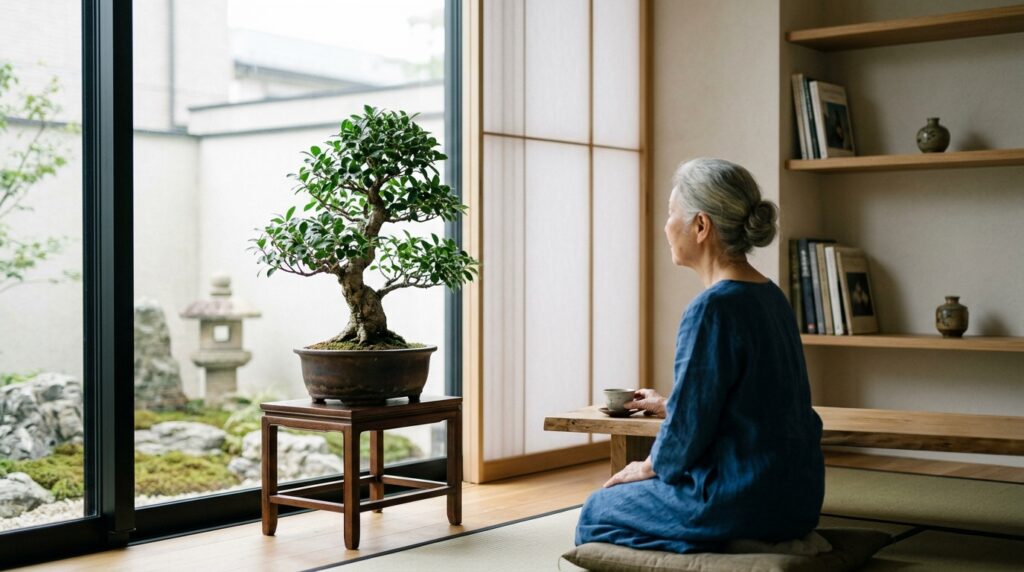
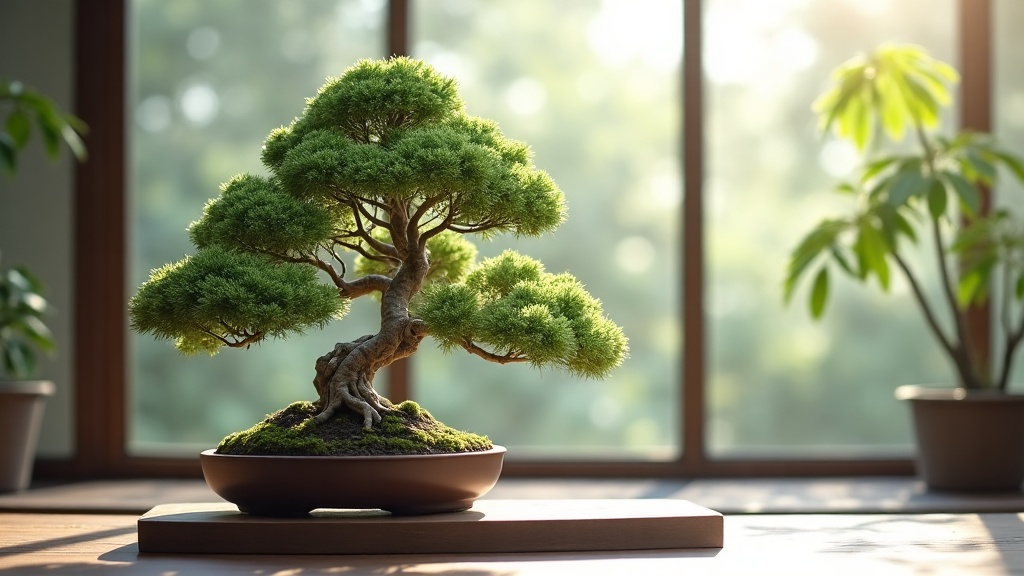
I see this mistake in beginners because bonsai invites action before it teaches patience. If you search for the best bonsai for indoors, you will quickly run into conflicting advice. Some guides make it sound as if any bonsai tree can live happily on a coffee table. In practice, experienced growers usually say the opposite: most bonsai are outdoor trees, and only a smaller group of tropical or subtropical species reliably tolerate indoor life.
That distinction matters more than almost anything else. People often fail with bonsai not because they are careless, but because they start with the wrong tree for their environment. If your home has steady room temperatures, limited direct sun, and typical indoor humidity, you want a species that can handle those conditions without constant struggle.
So what is the best bonsai for indoors? For most people, the short answer is Ficus. It is widely considered the most forgiving indoor bonsai because it handles dry air better than many alternatives, tolerates occasional missed waterings better than delicate species, and recovers relatively well from beginner mistakes. After ficus, good indoor candidates often include dwarf jade, Chinese elm in the right setup, Fukien tea for growers willing to provide more light, and schefflera for an easy-care tropical look.
Why Most Bonsai Are Not Truly Indoor Bonsai
A bonsai is not a separate type of tree. It is a regular tree or shrub grown in a shallow container and trained over time. That means its basic biological needs do not disappear just because it is styled as bonsai. Pines still want strong sun and seasonal change. Junipers still want to live outside. Maples still need winter dormancy.
This is why so many first-time owners lose bonsai that were marketed as indoor decor. A tree that naturally expects wind, rain, high light, and seasonal temperature swings will decline when kept indoors year-round. It may look fine for a few weeks or even a few months, but that is not the same as thriving.
Indoor bonsai succeed when the species already comes from a climate that resembles indoor living more closely. Tropical trees do not require cold dormancy, so they are far better suited to windowsills, bright rooms, and controlled household temperatures.
The Best Bonsai Species for Indoors
1. Ficus Bonsai
Ficus sits at the top of most indoor bonsai recommendations for a reason. It is tough, adaptable, and usually the most realistic starting point for beginners. Common varieties include ginseng ficus and willow leaf ficus, both of which are widely available.
Its strengths are practical. Ficus tolerates lower humidity than many tropical bonsai, copes better with inconsistent indoor conditions, and can bounce back after stress if basic care improves. It also responds well to pruning, making it satisfying for people who want to shape and maintain a tree over time.
If you want one species with the highest chance of success indoors, ficus is usually the safest choice.
2. Dwarf Jade
Dwarf jade, often sold as Portulacaria afra, is another strong indoor option. Technically it is a succulent rather than a classic leafy tropical, but that can be an advantage. It stores water well, prefers bright light, and is generally more forgiving if your home air is dry.
It has a different look from ficus, with smaller fleshy leaves and thickening stems that can develop a mature bonsai character over time. It is especially attractive for beginners who tend to overcomplicate watering, because it usually prefers to dry somewhat between drinks rather than stay constantly damp.
3. Chinese Elm
Chinese elm is sometimes listed as indoor-friendly, but it deserves a small warning label. It can adapt to indoor culture better than many temperate species, especially if it gets excellent light, but it is often stronger when it spends at least part of the year outdoors in suitable climates.
For that reason, Chinese elm is best seen as a flexible option rather than a foolproof indoor tree. If you have a very bright window or supplemental grow lights, it can perform well. If your light is average, ficus is usually easier.
4. Fukien Tea
Fukien tea is popular because it has tiny leaves, attractive bark, and the ability to produce small white flowers. A well-grown specimen looks refined and unmistakably bonsai. The tradeoff is that it is usually less forgiving than ficus.
It wants warmth, steady conditions, and strong light. Sudden environmental changes often lead to leaf drop. That does not make it a bad indoor bonsai, but it does make it a better second tree than a first tree for many people.
5. Schefflera
Schefflera, sometimes called Hawaiian umbrella tree, is underrated as an indoor bonsai. It is tolerant, tropical, and capable of handling indoor environments that would frustrate fussier species. It also develops an appealing canopy structure and can be trained into a convincing miniature tree over time.
If you want something resilient and do not mind a slightly less traditional bonsai appearance early on, schefflera is a practical option.
What Beginners Should Avoid
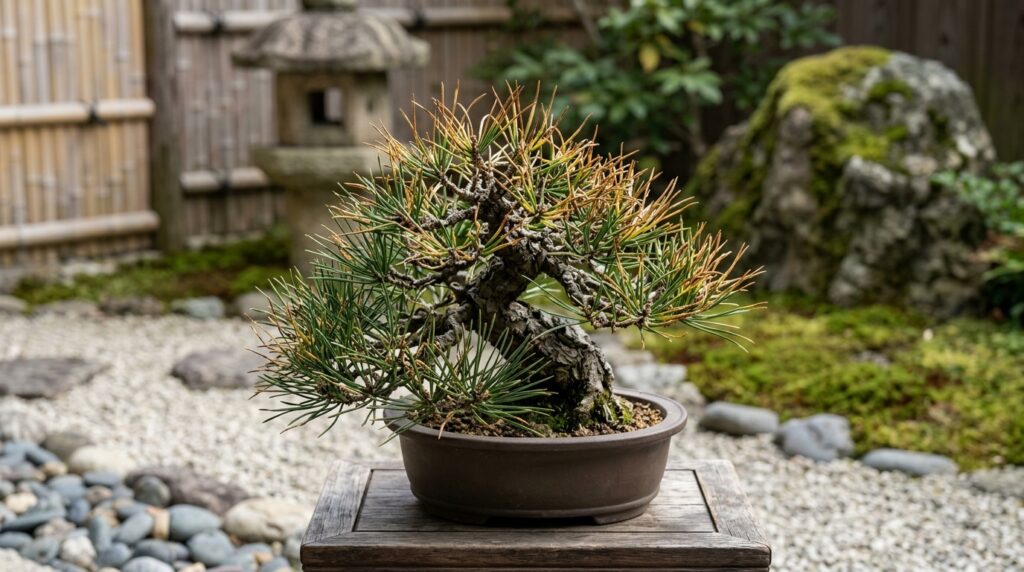
If your plan is to keep the bonsai indoors all year, avoid species that clearly need outdoor conditions. The most common mistake is buying a juniper bonsai for indoor display. Junipers are classic bonsai trees, but they are not indoor bonsai. They need full outdoor exposure and winter dormancy. Kept inside long term, they usually weaken and die.
The same caution applies to many pines, spruces, and Japanese maples. These are beautiful bonsai subjects, but they are poor choices for a living room unless you are only displaying them indoors briefly before returning them outside.
How to Choose the Right Indoor Bonsai for Your Home
The best bonsai for indoors is not just about species. It is also about matching the tree to your actual setup.
If your home gets bright light for several hours a day, you have more options. If your rooms are dim, your species list gets shorter unless you are willing to add a grow light. If you travel often or tend to forget watering, a forgiving tree like ficus or dwarf jade makes more sense than something sensitive like Fukien tea.
It also helps to be honest about your goals. If you want the easiest path, choose durability over perfection. If you want tiny leaves and a highly refined silhouette immediately, you may need to accept a steeper care curve.
Indoor Bonsai Care Basics
Even the best indoor bonsai will struggle if the basics are wrong. Three areas matter most: light, watering, and placement.
Light: Put the tree in the brightest window available, ideally one with several hours of strong indirect light or some direct morning sun. Many indoor bonsai improve dramatically under a dedicated grow light.
Watering: Do not water by calendar. Check the soil and water when the top begins to dry, then water thoroughly so the entire root ball is moistened. Constantly soggy soil is as dangerous as neglect.
Placement: Keep the tree away from heating vents, cold drafts, and places where the temperature changes sharply. Indoor bonsai like consistency more than drama.
Humidity can help, but it is often overstated. Good light and correct watering usually matter more than elaborate humidity trays.
So Which Indoor Bonsai Is Best?
For most people, the answer is still ficus. It offers the best balance of resilience, availability, appearance, and adaptability to normal household conditions. If you want a second strong option, dwarf jade is close behind, especially for bright homes and growers who prefer a lower-maintenance routine.
If you already have stronger lighting and want something more refined, Chinese elm or Fukien tea may be worth considering. If you want a forgiving tropical that is often overlooked, schefflera is a smart pick.
The real takeaway is simple: the best bonsai for indoors is the one that actually matches indoor life. Start with a species that wants the environment you can provide, and bonsai becomes much less mysterious.
A Better Beginner Checklist
- Observe the tree for a full growth cycle before making major styling decisions.
- Learn watering and vigor first, because weak trees do not respond well to ambitious work.
- Change one major variable at a time so you can see how the tree responds.
- Let health, species habits, and season decide the pace instead of your impatience.
This is the quieter discipline most beginners skip, and it is usually what separates living bonsai from overworked projects.
If you are building a basic setup, I would start by comparing bonsai training wire and bonsai pruning shears before buying more decorative items, because those two choices affect the actual work most.