Beginner Bonsai Guide
Are Chinese Elm Bonsai Suitable for Beginners?
Yes. Chinese elm bonsai are widely considered one of the best beginner-friendly bonsai species because they are adaptable, forgiving, and attractive through every stage of development.
If you are new to bonsai, the biggest challenge is usually not styling. It is keeping the tree healthy long enough to learn. That is where Chinese elm stands out. Compared with many other bonsai species, it tolerates small mistakes better, grows reliably, and gives new growers clear feedback when something is off.
Why Chinese Elm Works Well for Beginners
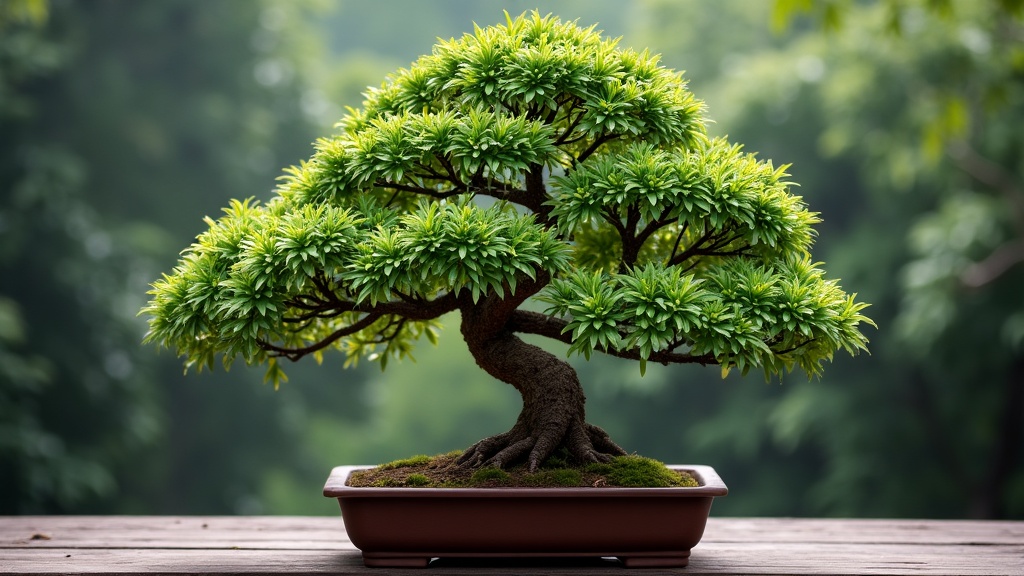
Chinese elm has a reputation for resilience. It can adapt to indoor or outdoor growing situations more readily than some traditional bonsai species, though it generally performs best with strong light and outdoor time when climate allows. Its small leaves, fine branching, and textured bark also give it the classic bonsai look without demanding expert-level care.
- It is forgiving: Missing one watering or making a less-than-perfect pruning decision is less likely to cause immediate disaster.
- It grows vigorously: Faster recovery means beginners can learn by doing instead of waiting endlessly for progress.
- It responds well to pruning: This makes it easier to shape and maintain even if you are still learning branch structure.
- It looks good early: Chinese elm often develops an appealing silhouette well before it becomes a refined show tree.
What Beginners Should Still Watch Out For
Beginner-friendly does not mean indestructible. Chinese elm can still decline if it is kept in poor light, watered incorrectly, or grown in compacted soil that stays wet for too long. A lot of new owners lose bonsai not because the species is difficult, but because they treat it like a decorative object instead of a living tree.
The most common mistakes include:
- Keeping it in a dim room far from a window.
- Watering on a fixed schedule instead of checking the soil.
- Leaving it in heavy, waterlogged soil.
- Ignoring pests such as spider mites, scale, or aphids.
- Pruning too aggressively when the tree is weak.
Basic Care Requirements
Chinese elm is easiest for beginners when the care routine stays simple and consistent. Give it as much light as possible, water thoroughly when the top of the soil starts to dry, and use a well-draining bonsai mix. During the growing season, regular feeding helps it stay vigorous and produce new shoots for shaping.
If you keep it outdoors, protect it from extreme weather until you understand how your local climate affects the tree. If you keep it indoors for part of the year, place it in the brightest spot available and avoid hot, dry air from vents.
How It Compares With Other Beginner Options
Many beginners also consider ficus, juniper, and jade bonsai. Ficus is another excellent beginner choice, especially for indoor growers. Juniper is beautiful but often misunderstood because it should usually be kept outdoors, not inside. Jade is easy in some respects but does not always deliver the same traditional bonsai character. Chinese elm sits in a useful middle ground: classic appearance, responsive growth, and manageable care needs.
What to Look for When Buying One
A good beginner tree does not need to be expensive, but it should be healthy. Look for even leaf growth, flexible branches, no obvious pest damage, and a trunk with some movement or taper. Avoid trees sold purely as novelty gifts if they appear weak, bone dry, or planted in dense mud-like soil.
It is often smarter to buy a healthy, ordinary Chinese elm from a reputable bonsai nursery than a heavily styled but stressed tree from a general gift shop.
Final Verdict
Chinese elm bonsai are absolutely suitable for beginners. They combine toughness, beauty, and responsiveness in a way that helps new growers build real bonsai skills. While they still need proper light, watering, and seasonal attention, they are far more forgiving than many species that tempt first-time buyers.
If your goal is to start with one bonsai that can teach you the basics without punishing every small mistake, Chinese elm is one of the best places to begin.