I see this mistake in beginners because bonsai invites action before it teaches patience.
A bonsai plant does not need a mysterious or highly specialized setting, but it does need the
right balance of light, temperature, humidity, airflow, and watering conditions. Many bonsai
problems begin when people treat the tree like a decorative object instead of a living plant
with specific environmental needs. The best environment is one that matches the tree’s species
and supports steady, healthy growth throughout the year.
The first thing to understand is that bonsai is not a type of plant. It is a growing method
used on many tree species. Because of that, the correct environment for a bonsai depends on
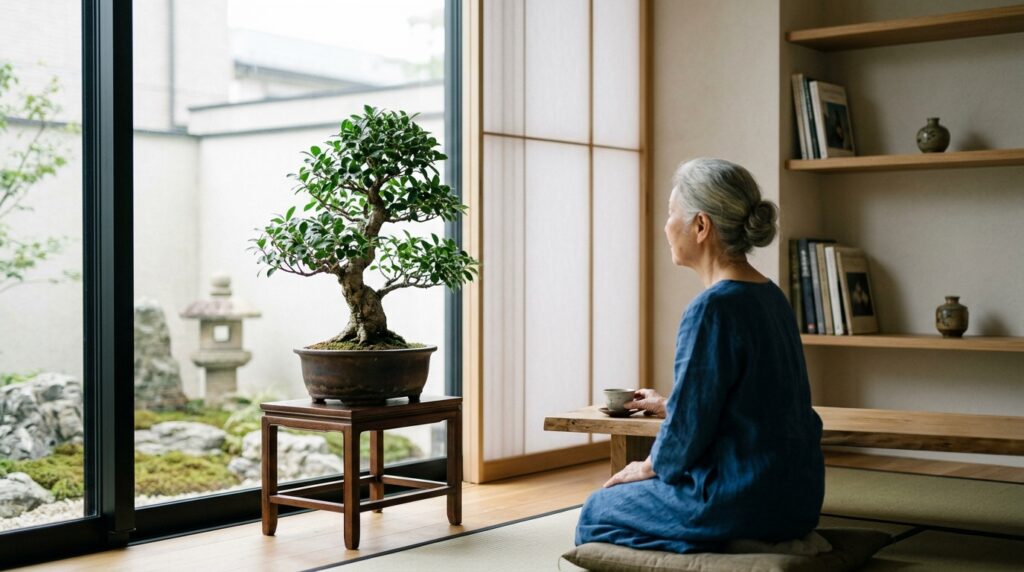
whether it is a tropical, subtropical, or temperate tree. A ficus bonsai will tolerate indoor
conditions far better than a juniper, while a pine or maple usually performs best outdoors
where it can experience natural seasons.
Light Is the Most Important Factor
Bonsai trees need strong light to produce energy and maintain compact, healthy foliage. In most
cases, outdoor bonsai should receive several hours of sunlight each day. Morning sun with some
protection from intense afternoon heat is often ideal, especially in very hot climates. Indoor
bonsai should be placed near the brightest window available, preferably one with strong
southern or eastern exposure.
If a bonsai does not receive enough light, it may become weak, leggy, pale, and more vulnerable
to pests or disease. Slow growth, oversized leaves, and yellowing foliage are common warning
signs. When natural light is limited, grow lights can help provide the intensity needed for
indoor tropical bonsai.
Match the Temperature to the Species
Temperature matters because bonsai trees still follow the biological patterns of their full-size
counterparts. Tropical bonsai, such as ficus, jade, or schefflera, prefer warm temperatures and
should be protected from cold drafts and low nighttime temperatures. These species are usually
kept indoors when weather turns cool.
Temperate bonsai, including juniper, elm, maple, and many pines, generally need outdoor
conditions and seasonal change. They often require a winter dormancy period to remain healthy
over the long term. Keeping these outdoor species inside year-round can weaken them, even if
they appear fine for a short time.
Humidity and Airflow Should Stay Balanced
Bonsai trees benefit from moderate humidity and steady airflow. Dry indoor air, especially near
heaters or air conditioners, can stress tropical species and dry the soil too quickly. A
humidity tray, grouped plants, or a room humidifier can help create a more stable environment
for indoor bonsai.
At the same time, stagnant air is not ideal. Good airflow helps reduce fungal issues and keeps
the foliage healthier. Outdoor bonsai naturally receive this benefit, while indoor bonsai should
be placed in bright spaces with gentle air movement but not in direct blasts from vents or fans.
The Right Environment Includes the Right Watering Conditions
A bonsai tree should live in an environment where the soil can drain well and the roots can
breathe. Bonsai pots are shallow, so the soil dries differently than it does in ordinary
houseplant containers. The goal is not to keep the soil constantly soaked or bone dry, but to
water thoroughly when the top layer begins to dry.
Heat, wind, pot size, soil mix, and tree species all affect how often a bonsai needs water.
This is why there is no perfect watering schedule for every bonsai. A healthy environment makes
observation easier: good light, good drainage, and steady airflow help the tree use water
properly.
Outdoor vs. Indoor Placement
One of the biggest mistakes beginners make is assuming all bonsai belong indoors. In reality,
most bonsai species are better suited to outdoor life. Outdoor placement gives trees stronger
light, better airflow, and natural seasonal rhythms. If the species is hardy in your climate,
a patio, balcony, deck, or garden bench can be an excellent location.
Indoor bonsai are usually tropical or subtropical species that can adapt to warmer, stable
household conditions. Even then, they do best when they receive bright light, protection from
temperature extremes, and regular care. If possible, many indoor bonsai also benefit from
spending warm summer months outside in a sheltered, bright location.
Protect Bonsai From Sudden Stress
The right bonsai environment is stable. Sudden changes in light, temperature, or moisture can
shock the tree and lead to leaf drop or slowed growth. Moving a bonsai repeatedly between indoor
and outdoor settings, placing it beside heating vents, or letting it sit in extreme midday heat
without adjustment can create unnecessary stress.
Stability does not mean the environment never changes. It means changes happen in ways the tree
can handle. Seasonal transitions, slight shifts in sunlight, and normal outdoor weather patterns
are part of healthy growth when the species is suited to them.
How to Recognize a Good Bonsai Environment
A bonsai growing in the right environment usually shows firm growth, healthy leaf color, steady
branching, and a root system that supports the tree without remaining constantly wet. It should
respond well to pruning and recover normally after repotting or seasonal maintenance. Problems
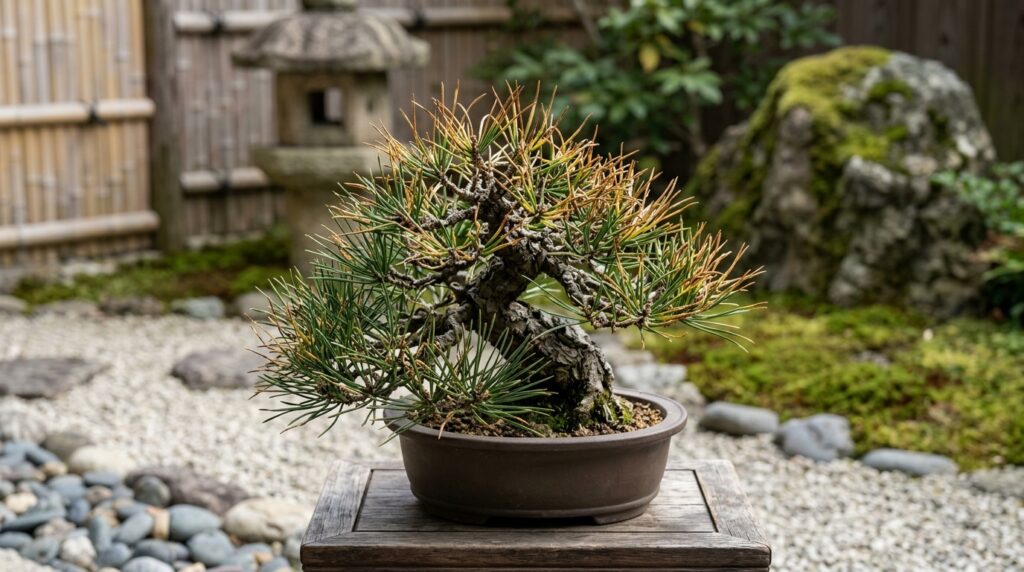
such as weak shoots, repeated leaf drop, crispy edges, fungal issues, or chronic soggy soil
often indicate that some part of the environment needs to be adjusted.
Conclusion
The right environment for a bonsai plant is one that reflects the needs of its species rather
than a one-size-fits-all rule. Strong light, appropriate temperatures, moderate humidity, good
airflow, and proper watering conditions form the foundation of bonsai health. When those factors
are in balance, a bonsai is far more likely to stay vigorous, attractive, and easy to manage
for years.
What I Pay Attention to First
- How much foliage and stored energy the tree can realistically afford to lose right now.
- Whether the species is in the right seasonal window for the kind of pruning you want to do.
- Which branches are being reduced for structure versus which ones you are touching only out of impatience.
- Whether aftercare conditions are stable enough to support recovery once the work is finished.
That sequence keeps pruning tied to horticultural reality instead of turning it into guesswork.
For beginners who want a simple, sensible setup, I usually think it is enough to compare bonsai training wire and a pair of bonsai pruning shears. Those two tools are more relevant to real early practice than buying decorative accessories too soon.
What makes bonsai difficult for beginners is that the tree rarely punishes impatience immediately. A beginner can wire too soon, prune too hard, repot at the wrong moment, and still feel successful for a few weeks. The tree often answers later, with weak growth, poor recovery, or a gradual decline that feels mysterious only because the earlier stress was forgotten.
That is why I teach beginners to treat bonsai less like a series of tasks and more like a conversation with a living thing. Before shaping, ask whether the tree is vigorous enough. Before pruning, ask whether the season supports recovery. Before changing several things at once, ask whether you will still understand the result afterward. Those questions slow you down, but they also keep you from making the kind of mistake that costs a year of progress.
Many bonsai beginners also confuse visible activity with meaningful progress. Wiring, pruning, repotting, and styling feel productive, while observation feels passive. In practice, observation is often the more advanced skill. When you notice how a species extends, where buds appear, how quickly soil dries, and how the tree responds to minor adjustments, your later work becomes much more precise.
I also think beginners benefit from keeping one simple rule: do not ask a weak tree to teach you advanced technique. If a tree is struggling with water balance, poor light, or poor root health, styling it harder rarely improves anything. Restoring strength first is not hesitation. It is sound bonsai practice.
The encouraging part is that this mistake is fixable. Most beginners do too much because they care. Once that energy is redirected into observation, timing, and restraint, progress becomes steadier and the tree begins to look more convincing with less force.
How I Judge Whether to Stop
If I start wondering whether one more cut will make the silhouette cleaner, that is usually the moment I slow down and reassess vigor, not the moment I keep cutting. A tree can recover from an imperfect branch more easily than it can recover from repeated unnecessary pruning.
I also look at how much of the work was structural versus cosmetic. Once the important structural cuts are made, the safest move is often to leave the smaller refinements for another session after the tree has had time to answer the first round of work.
That patience is not hesitation. It is one of the habits that keeps bonsai from being pushed past what the tree can comfortably sustain.