
Disclosure: This post contains affiliate links. If you purchase through our links, we may earn a small commission at no extra cost to you.
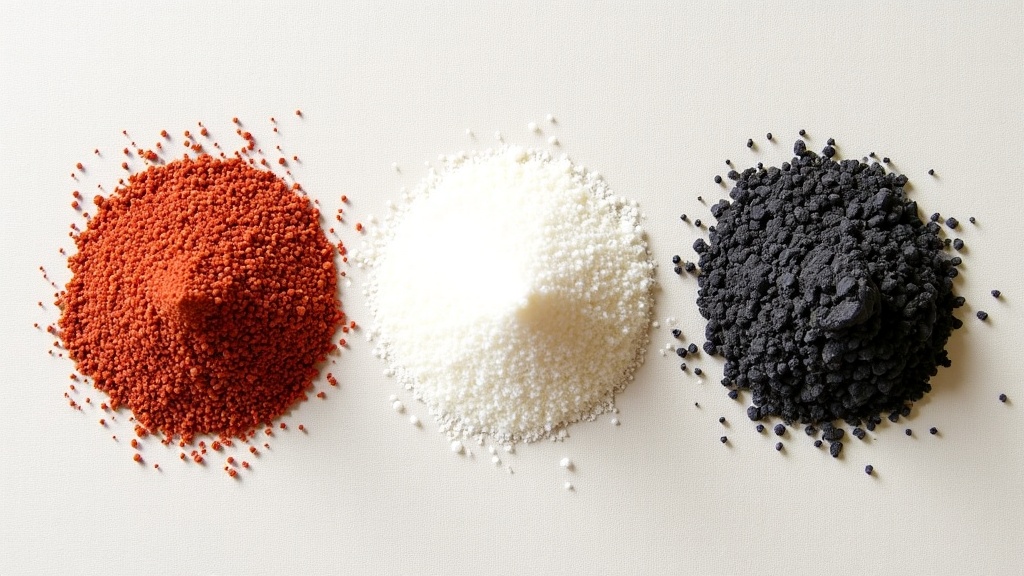
The soil is the foundation of every successful bonsai — and it’s where I see the most critical mistakes made by enthusiasts at every level. In 15 years of bonsai practice, I’ve tested dozens of soil component combinations. The three materials that dominate the conversation are akadama, pumice, and lava rock — but understanding why each is used transforms you from following recipes to understanding principles.
This guide covers each material’s properties, the best mixes for different species and climates, and the honest tradeoffs you need to know.
Why Standard Potting Soil Fails for Bonsai
Before diving into the three components, it helps to understand why standard gardening soil is wrong for bonsai. Regular potting mix:
- Retains too much moisture (stays wet for days) — root rot risk
- Compacts over time as organic matter breaks down — strangling roots
- Drains too slowly for the frequent watering bonsai require
- Doesn’t allow the oxygen exchange that healthy roots need
Bonsai soil must drain fast, allow significant oxygen to roots, support frequent watering without saturation, and remain structurally stable for years. The three-component mix of akadama, pumice, and lava rock achieves all of this.
Akadama: The Retention Component
Akadama (赤玉土) is a natural clay granule mined in Japan. It’s the only component in the trio with significant water retention, and it’s what distinguishes bonsai soil from pure inert grit.
Properties:
- Water retention: High (absorbs and releases moisture gradually)
- Particle size: Available in small (under 6mm), medium, and large grades
- Cation Exchange Capacity (CEC): High — holds nutrients in the root zone
- Lifespan: 2–4 years before degrading into dust and needing repot
The critical limitation: Akadama breaks down over time. The granules slowly lose their structure, eventually compacting into a fine mud that restricts drainage. This is a primary driver of repotting schedules — when akadama degrades (usually 2–4 years), the soil structure fails.
Quality akadama matters. Bonsai Boy’s Akadama is widely available in the US. Hard-fired akadama (双硬焼) breaks down slower and is worth seeking out for long-term plantings.
Pumice: The Structure and Drainage Component
Pumice is a volcanic glass foam — essentially solidified gas bubbles. Its porous structure creates excellent drainage and oxygen availability at the root level without any breakdown over time.
Properties:
- Water retention: Low-moderate (absorbs some water in pores, releases quickly)
- Drainage: Excellent — water passes through rapidly
- Longevity: Indefinite — pumice doesn’t degrade
- Root anchoring: Very good — angular particles interlock and hold roots
Pumice is the backbone of most modern bonsai mixes. It keeps the structure open and aerated long after the akadama has degraded. Bonsai pumice in 1/4 inch grade is the standard size for most trees.
Lava Rock: The Stability and Microbiome Component
Lava rock (crushed volcanic basalt) is the most inert component in the trio. It provides structural stability, excellent drainage, and — often overlooked — a porous surface that hosts beneficial soil microorganisms.
Properties:
- Water retention: Very low (essentially drains immediately)
- Drainage: Excellent
- Longevity: Permanent — zero breakdown
- Microbial hosting: Superior — rough surface supports mycorrhizal fungi
Lava rock’s microbiome-hosting capacity is its underappreciated superpower. Mycorrhizal fungi networks that develop in lava rock-rich soil significantly improve nutrient uptake efficiency, often reducing the fertilization needed for vigorous growth.
Best Bonsai Soil Mix Ratios by Species Type
| Tree Type | Akadama | Pumice | Lava Rock | Notes |
|---|---|---|---|---|
| Deciduous (maple, elm, oak) | 50% | 25% | 25% | Higher retention for vigorous growers |
| Conifers (pine, juniper) | 33% | 33% | 33% | Standard mix; excellent drainage |
| Tropical indoors (ficus, fukien) | 40% | 30% | 30% | Slightly more retention for indoor conditions |
| Azalea / acid-loving | 100% Kanuma | — | — | Special soil; skip standard mix |
| Succulents / desert trees | 20% | 40% | 40% | Prioritize drainage; less retention |
Climate Adjustments
Where you live significantly affects the right mix:
- Hot, dry climates (Arizona, inland California): Increase akadama to 50–60% to slow moisture loss. Watering 2x daily is impractical; the soil needs to hold more.
- Humid, rainy climates (Pacific Northwest, Southeast US): Reduce akadama to 25–30%, increase pumice and lava. Excess moisture is the enemy.
- Indoor environments: Slightly higher akadama (45–50%) to compensate for the lower humidity of indoor air.
The 1/4 Inch Particle Size Rule
Regardless of component ratios, particle size should be consistent: 1/8 to 1/4 inch (3–6mm) for most bonsai. Smaller particles compact too easily; larger particles create air pockets that dry roots. Screen all components through 1/4-inch hardware cloth to remove fines, which compact and reduce drainage.
Budget Considerations: Can You Use Substitutes?
Akadama is expensive ($20–$40 for a 14-liter bag) and must be imported from Japan. For budget builds:
- Akadama substitute: Turface MVP (fired clay for baseball fields) — available at agricultural supply stores for $15–$20 for a 50-lb bag. Similar water retention, no breakdown issues, and very cheap.
- Pumice: No good substitute. Buy it.
- Lava rock: Decomposed granite or perlite can partially substitute, but are less effective.
A budget mix of Turface (50%) + pumice (25%) + perlite (25%) is a legitimate alternative that many enthusiasts use successfully in the US, particularly for growing-stage trees that will be repotted frequently anyway.
FAQ: Bonsai Soil
Can I use cactus mix for bonsai?
Commercial cactus mix contains organic components (bark, perlite, sand) that compact over time. It’s a temporary solution at best. Proper inorganic mix is worth the effort.
How often should I repot my bonsai?
Young, fast-growing trees: every 1–2 years. Mature specimens: every 3–5 years. When akadama in the mix degrades (visible as compacted, muddy soil at bottom of pot), repot regardless of schedule.
Does the type of pot affect soil mix choice?
Yes. Shallow pots with small drainage holes need better-draining mixes (more pumice/lava). Deeper pots can handle slightly more akadama without waterlogging risk.
Bottom Line
The best bonsai soil mix is akadama + pumice + lava rock in ratios appropriate to your species and climate. This isn’t a one-size-fits-all formula — it’s a framework. Start with 1:1:1 as your baseline, then adjust based on how your tree responds and how your local climate affects moisture retention. Within one growing season, you’ll know if you need to adjust.