
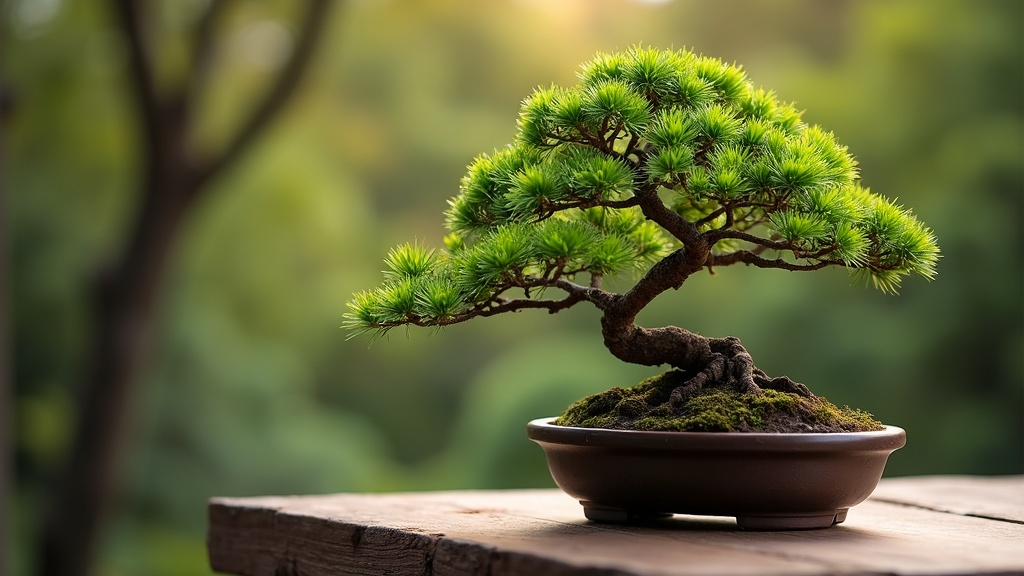
When I first began my journey with bonsai nearly twenty years ago, I killed more trees than I care to admit. The art of bonsai is patient — but it will not wait forever for a beginner who chooses the wrong tree. If you are searching for the best bonsai for beginners, you have come to the right place. Some trees are forgiving. Some will teach you through their resilience. The six species I share with you today are the ones I recommend to every student who walks into my garden for the first time — trees that reward attention without punishing every small mistake.
Bonsai is not about perfection. It is about presence. And the right tree makes that presence possible.
What Makes a Bonsai Good for Beginners?
Before we look at individual species, let us consider what qualities make a tree suitable for someone just beginning. A forgiving bonsai will:
- Recover well from inconsistent watering
- Tolerate indoor or low-light conditions
- Grow vigorously enough that pruning mistakes do not cause permanent harm
- Be widely available and reasonably priced
- Communicate clearly when it needs water or light
With these qualities in mind, here are my recommended species — each one tested not only by my own hands, but by the hands of hundreds of students over many years.
1. Ficus Bonsai — The Most Forgiving Indoor Tree
If I could only recommend one tree to a beginner, it would be the Ficus. Specifically, the Ficus retusa or Ficus microcarpa — both of which adapt remarkably well to indoor environments.
- Care Difficulty: ⭐ (Very Easy)
- Light: Bright indirect light indoors; full sun outdoors in warm months
- Watering: Allow the topsoil to dry slightly between waterings; roughly every 5–7 days indoors
- Best For: Apartment dwellers, beginners with no outdoor space
The Ficus will drop its leaves if moved suddenly — this is normal. Give it a stable spot near a south or east-facing window, and it will settle into a rhythm with you. It is, in many ways, a mirror: it reflects the consistency you bring to it.
Recommended Purchase: Browse Ficus Bonsai Starter Trees on Amazon
2. Juniper Bonsai — The Classic Outdoor Beginner Tree
The juniper is perhaps the most iconic bonsai in the Western world. Its triangular silhouette, blue-green foliage, and graceful deadwood features make it the image most people picture when they hear the word “bonsai.” It is also one of the best bonsai trees for beginners who have access to outdoor space.
- Care Difficulty: ⭐⭐ (Easy, outdoors only)
- Light: Full sun, at least 4–6 hours daily; do not keep indoors
- Watering: Keep soil consistently moist but never waterlogged; check daily in summer
- Best For: Beginners with a balcony, patio, or garden
One important truth about junipers: they need the outdoors. Many beginners bring them inside and wonder why they decline. This tree wants wind, sun, and the rhythm of seasons. Honor that, and it will reward you for decades.
Recommended Purchase: Browse Juniper Bonsai Starter Kits on Amazon
3. Jade Plant Bonsai — Succulent Simplicity
The jade plant (Crassula ovata) is technically a succulent, not a traditional bonsai species — but it has been cultivated in the bonsai style for generations, and for good reason. It stores water in its thick leaves and trunk, which means it forgives the forgetful waterer better than almost any other tree.
- Care Difficulty: ⭐ (Very Easy)
- Light: Bright indirect light to full sun; thrives on a sunny windowsill
- Watering: Water deeply, then allow soil to dry completely before watering again; every 10–14 days in winter
- Best For: Beginners who tend to forget to water, or those in dry climates
There is a certain quiet dignity in the jade. Its trunk thickens slowly and beautifully. Students who are drawn to simplicity often find their deepest connection with this tree. It does not demand much — only patience and consistent light.
Recommended Purchase: Browse Jade Bonsai Plants on Amazon
4. Chinese Elm — The Balanced Beginner’s Tree
The Chinese Elm (Ulmus parvifolia) is, in my experience, the most well-rounded beginner bonsai. It can be grown indoors or outdoors. It responds beautifully to pruning. Its small, serrated leaves and graceful branching structure make it look like a mature, ancient tree even when it is young.
- Care Difficulty: ⭐⭐ (Easy to Moderate)
- Light: Bright indirect light indoors; partial to full sun outdoors
- Watering: Keep soil evenly moist; do not let it dry out completely
- Best For: Beginners who want to practice pruning and shaping
The Chinese Elm is semi-deciduous — it may drop some leaves in winter, especially indoors. Do not be alarmed. This is the tree’s natural rhythm. In spring, the fresh flush of tiny green leaves is one of the quiet joys of bonsai keeping.
Recommended Purchase: Browse Chinese Elm Bonsai Trees on Amazon
5. Dwarf Umbrella (Schefflera) — Tropical Toughness
The Dwarf Umbrella (Schefflera arboricola) is not always included in beginner lists, but it deserves its place here. This tropical tree develops dramatic aerial roots over time, creating a natural, ancient appearance that rivals trees far older. And it is extraordinarily resilient.
- Care Difficulty: ⭐ (Very Easy)
- Light: Low to bright indirect light; one of the most shade-tolerant bonsai species
- Watering: Water when the top inch of soil feels dry; tolerates inconsistent watering
- Best For: Low-light apartments, beginners who want a striking, unusual look
What I appreciate most about the Schefflera is its willingness. It grows enthusiastically, roots readily in soil, and develops character quickly. For a student who needs early encouragement — a visible sign that they are succeeding — this tree provides it generously.
Recommended Purchase: Browse Schefflera Bonsai Trees on Amazon
6. Complete Bonsai Starter Kits — A Thoughtful Beginning
For those who wish to begin with everything in hand — tree, pot, soil, tools, and guidance — a quality starter kit can be a wonderful entry point. I have seen many students flourish when they begin with the right tools already in place.
- Care Difficulty: Varies by species included
- What’s Included: Typically a young tree, ceramic pot, bonsai soil, pruning shears, wire, and care instructions
- Best For: Gift-givers, absolute beginners, or those who want a curated first experience
A starter kit removes the paralysis of choosing each component separately. It is a single, intentional step into the practice. Like a well-set table before a meal — the preparation creates the conditions for a good experience.
Recommended Purchase: Browse Complete Bonsai Starter Kits on Amazon
Essential Care Tips for All Beginner Bonsai
Regardless of which tree you choose, a few foundational practices will serve you well:
- Water by observation, not by schedule. Check the soil with your finger before watering. Most beginner mistakes come from overwatering, not underwatering.
- Use proper bonsai soil. Standard potting mix retains too much moisture. Bonsai soil allows for the drainage these trees need.
- Repot every 2–3 years. Roots need space to breathe. Spring, just before the growing season, is the ideal time.
- Prune to shape, not to reduce. Each cut should have a reason. Take time to observe your tree before making cuts.
- Find the right light. More trees die from insufficient light than from almost any other cause. Be honest about what your space can offer.
My Recommendation for Absolute Beginners
If you have asked yourself which single tree to start with, my answer — after twenty years of teaching — is the Ficus for indoor growers and the Chinese Elm for those with outdoor access.
The Ficus will accept your learning curve without punishing you. It will live on your windowsill and ask very little in return for your attention. The Chinese Elm, if you can place it outdoors, will teach you the beautiful cycles of growth and rest that lie at the heart of bonsai practice.
Begin with one tree. One pot. One practice. Do not rush toward complexity. Wabi-sabi — the philosophy that underpins this art — teaches us to find beauty in imperfection, incompleteness, and impermanence. Your first bonsai does not need to be perfect. It only needs to live, and to grow, and to be tended with care.
That is enough. That is everything.
— Kenji