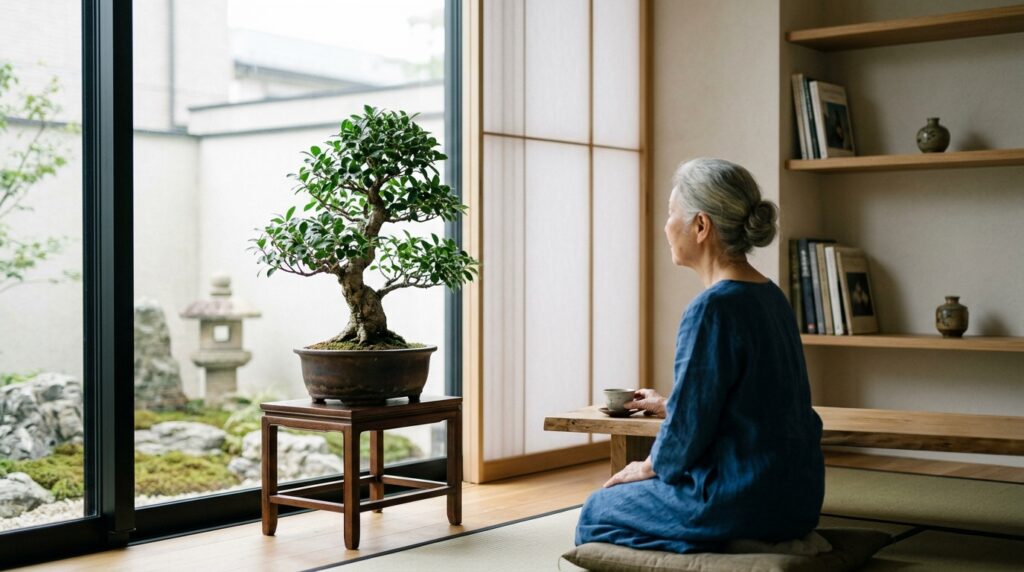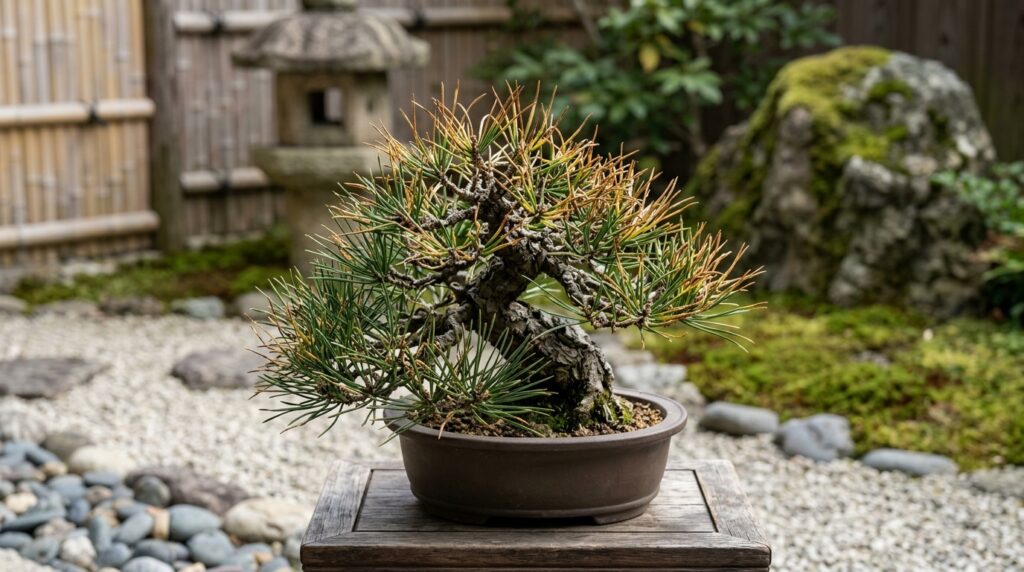
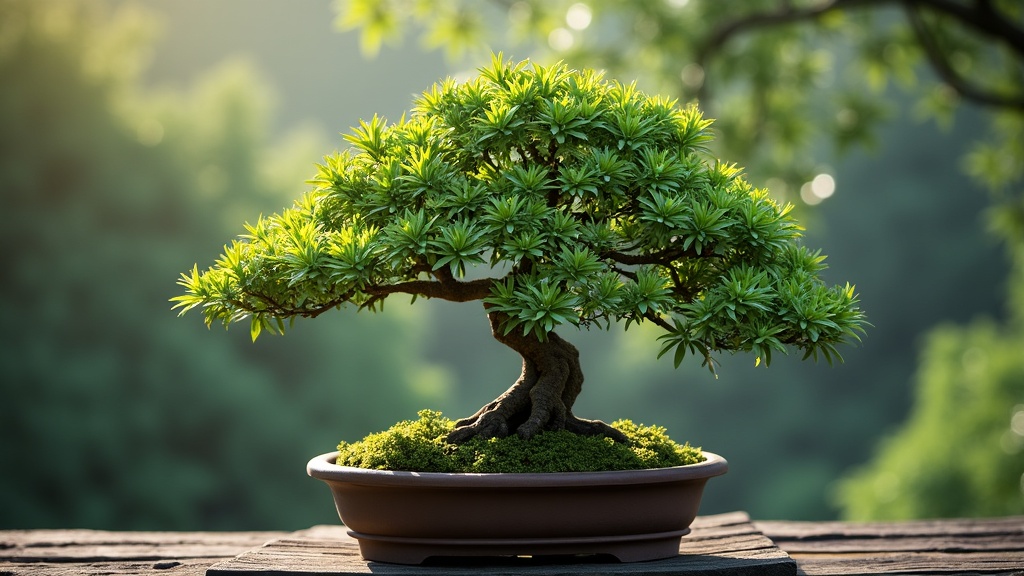
After twenty years of working with bonsai, I can tell you that Carmona retususa—the Fukien tea tree—is one of the most misunderstood species beginners encounter. Walk into any mall bonsai kiosk and you’ll find them labeled as “indoor bonsai,” yet I’ve watched countless specimens decline within months because their care requirements were fundamentally misrepresented.
The Carmona bonsai thrives when you understand its subtropical origins and provide consistent warmth, bright light, and careful watering—conditions that mimic its native Fujian province in China.
Understanding Carmona: What Makes Fukien Tea Different
Carmona retususa belongs to the Boraginaceae family and grows naturally in warm, humid regions of Southeast Asia. Unlike temperate species that need winter dormancy, Fukien tea remains evergreen year-round, producing small white flowers and tiny red berries when conditions suit it.
The tree earned its common name from Fujian (Fukien) province, where it grows wild among rocky outcrops and forest edges. This origin tells us everything about its care needs: it wants warmth, cannot tolerate frost, and appreciates humidity without waterlogged soil.
I trained under masters in Osaka who worked extensively with tropical species. They taught me that subtropical bonsai like Carmona require a fundamentally different mindset than pines or maples—you’re not managing seasonal cycles, but maintaining stable growing conditions throughout the year.
Light Requirements: Bright and Consistent
Carmona needs strong, direct light for at least 4-6 hours daily. In my garden studio, I position Fukien tea specimens within two feet of south-facing windows during winter months. The common advice to keep them as “indoor plants” in dim corners leads directly to leaf drop and weak growth.
During warmer months (above 60°F/15°C consistently), I move mine outdoors to a location with morning sun and light afternoon shade. The quality of natural outdoor light surpasses any indoor setup, and the trees respond with denser foliage and more abundant flowering.
If you lack adequate natural light, use full spectrum grow lights for bonsai positioned 6-12 inches above the canopy, running 12-14 hours daily. I’ve seen this work effectively in basement growing areas, though nothing truly replaces sunlight.
Watering Carmona Bonsai: The Critical Balance
More Carmona die from watering errors than any other cause. The species needs consistent moisture but abhors soggy roots—a narrow window that requires attention.
I water when the soil surface just begins to dry, checking daily by pressing a finger into the top quarter-inch. During active growth in summer, this might mean watering once or even twice daily in small pots. In winter, with lower light and slower metabolism, the interval extends to every 2-3 days.
Use room-temperature water and saturate the entire root mass until water drains freely from the bottom. Carmona roots are sensitive to both drought stress and root rot, so your bonsai soil mix must drain immediately while retaining some moisture.
Yellow leaves that drop readily often signal overwatering. Dry, crispy leaves indicate underwatering. The tree communicates clearly if you observe it daily.
Temperature and Humidity Needs
Carmona thrives between 60-75°F (15-24°C). It tolerates temperatures up to 85°F (29°C) with adequate humidity, but suffers below 55°F (13°C). Frost kills it outright.
This temperature sensitivity means Fukien tea functions as an indoor bonsai in most temperate climates for at least half the year. I keep mine on a heated bench in my studio from October through April, maintaining nighttime temperatures above 60°F.
Humidity matters significantly. Central heating dries indoor air to 20-30% relative humidity, while Carmona prefers 50-60%. I use humidity trays for bonsai filled with gravel and water beneath each pot. The evaporating water creates a microclimate without waterlogging roots.
Misting provides temporary relief but doesn’t solve low humidity. If leaves develop brown, crispy edges despite proper watering, suspect inadequate humidity.
Soil Composition for Fukien Tea
Carmona requires fast-draining soil that doesn’t compact. Standard potting soil retains too much water and suffocates roots.
My preferred mix combines:
- 40% akadama (Japanese clay granules)
- 30% pumice
- 30% lava rock
This granular substrate drains immediately while individual particles hold moisture at their surface. Roots access both water and oxygen simultaneously—the key to healthy Carmona growth.
For those beginning their practice, pre-mixed bonsai soil for tropical species works reliably. Avoid products labeled “bonsai soil” that contain peat or fine organic matter—these compact quickly and create drainage problems.
Fertilizing Schedule and Approach
Carmona grows continuously without seasonal dormancy, so it needs regular nutrition. I fertilize every two weeks during active growth (spring through fall) and monthly during winter when growth slows.
I prefer balanced organic fertilizer (like 10-10-10 NPK) at half the recommended strength. Carmona responds to consistent, moderate feeding better than heavy applications that can burn sensitive roots.
During flowering periods, I occasionally switch to a low-nitrogen formulation (5-10-10) to support blossom development, though this isn’t necessary for healthy growth.
Quality liquid bonsai fertilizer dissolves easily and distributes evenly through the root zone. Apply to moist soil, never to dry roots.
Pruning and Shaping Techniques
Carmona develops small leaves naturally, making it suitable for shohin (small) and mame (tiny) sizes. The species responds well to both pruning and wiring, though its branches can be somewhat brittle.
I prune new growth back to 2-3 leaves once shoots extend to 6-8 leaves. This maintains the canopy’s density and encourages ramification. Use sharp, clean bonsai pruning shears to make clean cuts that heal quickly.
For structural shaping, I apply aluminum bonsai wire to young branches, leaving it in place for 2-3 months maximum. Carmona’s bark is thin and scars easily, so I check wired branches weekly and remove wire before it cuts into expanding tissue.
The tree heals wounds slowly compared to vigorous species like ficus. I seal larger cuts with bonsai cut paste to prevent infection and moisture loss.
Repotting: Timing and Technique
Young Carmona require repotting every 2 years; mature specimens every 3-4 years. I repot in late spring when nighttime temperatures remain consistently above 60°F (15°C).
The process involves:
- Remove the tree from its pot and carefully comb out the outer root mass
- Trim circling roots and reduce the overall root volume by about one-third
- Clean and prepare the pot with mesh drainage screens
- Position the tree and work fresh soil through the root mass with a chopstick
- Water thoroughly and keep in bright shade for 2 weeks while roots recover
Carmona experiences transplant shock more readily than hardy species. I withhold fertilizer for 4-6 weeks after repotting and maintain especially careful watering during recovery.
Common Problems and Solutions
| Symptom | Likely Cause | Solution |
|---|---|---|
| Yellow leaves, leaf drop | Overwatering or cold temperature | Improve drainage, increase temperature, reduce watering frequency |
| Brown, crispy leaf edges | Low humidity or underwatering | Add humidity tray, mist regularly, check watering consistency |
| Leggy growth, pale leaves | Insufficient light | Move to brighter location or add grow lights |
| White cottony masses | Mealybugs | Remove manually, apply horticultural oil or insecticidal soap |
| Sticky leaves, sooty mold | Scale insects or aphids | Wash leaves, apply neem oil treatment weekly |
I inspect my Carmona daily during routine watering. Early detection of pests or cultural problems makes correction straightforward; neglected issues compound rapidly in small bonsai pots.
Encouraging Flowers and Berries
Carmona produces small white flowers year-round under optimal conditions, followed by red berries that eventually darken to black. While not the primary aesthetic focus, these features add seasonal interest.
Flowering increases with:
- High light levels (6+ hours direct sun)
- Consistent fertilization with adequate phosphorus
- Mature growth rather than constantly pruned juvenile shoots
- Slight stress from allowing the soil to dry slightly between waterings
I allow some branches to grow unpruned for several months if I want flowers. Once berries develop and mature, I prune those branches back to restore the refined silhouette.
Carmona vs. Other Indoor Bonsai Species
Beginners often compare Carmona with ficus species, another common “indoor bonsai” category. In my experience, ficus tolerates environmental variation far better—inconsistent watering, lower light, temperature fluctuations. Carmona demands precision.
Ficus develops aerial roots and dramatic trunk movement quickly. Carmona grows slowly, building fine ramification over years rather than months. The aesthetic outcomes differ fundamentally.
I recommend ficus for beginners developing their care skills. Carmona suits practitioners ready to maintain stable conditions and exercise patience with incremental development. Both have their place, but they’re not interchangeable.
The Wabi-Sabi Perspective on Carmona
Wabi-sabi teaches us to find beauty in impermanence and imperfection. Carmona embodies this philosophy through its gnarled bark texture, twisted roots, and the way old specimens develop hollow trunks and deadwood features naturally.
I don’t rush Carmona development or force dramatic styling. The species reveals its character slowly—a slightly off-center trunk line, the way one branch thickens differently than its pair, the natural shedding of bark on aged wood.
This approach requires patience. American bonsai culture sometimes emphasizes rapid results and dramatic transformations. Carmona teaches a different lesson: that careful, consistent practice over years creates depth that cannot be manufactured quickly.
Frequently Asked Questions
How often should I water my Carmona bonsai?
Water when the soil surface begins to dry, checking daily with your finger. During summer growth, this might mean once or twice daily; in winter, every 2-3 days. The key is consistency—Carmona dislikes both drought and waterlogged soil.
Can Carmona bonsai live outdoors year-round?
Only in frost-free climates. Carmona requires temperatures above 55°F (13°C) consistently and dies in frost. In temperate zones, move it outdoors only during warm months and bring it inside before nighttime temperatures drop below 60°F (15°C).
Why are the leaves on my Fukien tea turning yellow and dropping?
Yellow leaf drop typically indicates overwatering, poor drainage, or exposure to cold temperatures. Check your soil composition (it should drain immediately), reduce watering frequency, and ensure the tree stays in a warm location above 60°F (15°C).
How much light does Carmona retususa need?
Carmona requires 4-6 hours of direct sunlight daily minimum, preferably more. Insufficient light causes weak, leggy growth and eventual decline. Position near a south-facing window or use grow lights if natural light is inadequate.
When should I repot my Carmona bonsai?
Repot young trees every 2 years, mature specimens every 3-4 years, always in late spring when temperatures remain consistently above 60°F (15°C). Avoid repotting during winter or when the tree shows stress—Carmona experiences transplant shock more readily than hardy species.