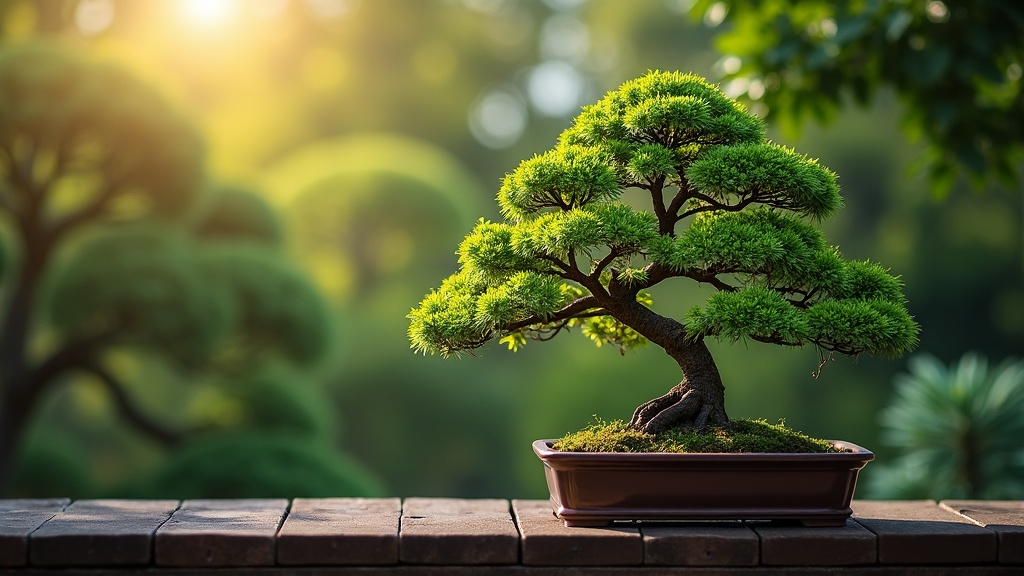
Starting bonsai from nursery stock is how I began my own practice twenty years ago in Osaka. The young juniper I found at a garden center for ¥800 taught me more in its first year than any book could — because nursery stock forces you to see potential where others see only an ordinary plant.
Most beginners believe they need expensive pre-bonsai material or rare species to start this art. This misunderstanding keeps many from ever beginning. The truth: a $15 juniper from your local nursery contains everything you need to learn root work, branch selection, and the patience that defines bonsai practice. You just need to know what to look for and how to shape what you find.
Why Nursery Stock Makes Sense for Beginners
Nursery stock — ordinary plants grown for landscaping — offers three advantages that expensive bonsai material cannot match for someone learning this art.
First, the cost allows for mistakes. When you pay $15 instead of $150, you can practice aggressive root pruning without fear. You learn faster when failure costs little. I killed three junipers in my first year learning root work. Each death taught me something about timing and technique that I still use today.
Second, nursery stock teaches you to see potential in raw material. Pre-styled bonsai from specialty shops already have their design chosen. With nursery stock, you must look at an overgrown shrub and envision the tree inside it. This skill — seeing the hidden form — is fundamental to bonsai practice. It cannot be purchased, only developed through repeated observation and decision-making.
Third, the material is accessible. You can start this weekend at any garden center or home improvement store. No specialty nurseries, no shipping costs, no waiting. This immediacy matters when you’re motivated to begin.
What to Look For at the Nursery
Stand in the nursery and breathe. Do not rush. I spend thirty minutes examining plants before I select one, even after twenty years of practice.
The Trunk Tells the Story
Look first at the trunk base. The nebari — the visible surface roots radiating from the trunk — determines much of your tree’s future character. Ideal nursery stock shows some root flare at the soil line, even if it’s buried under mulch. Dig gently with your finger to check.
The trunk should taper from base to apex. A telephone pole trunk — the same width from bottom to top — rarely makes convincing bonsai. Some taper can be created through technique, but starting with natural taper saves years of work.
Movement in the trunk adds interest. A slight curve or change in direction suggests age and naturalism. Perfectly straight trunks can work for formal upright styles, but require more skill to make compelling.
Branch Structure and Options
Count the low branches. You need options near the trunk base — ideally branches starting within the first third of the tree’s height. Nursery stock often grows tall and leggy, with all branches clustered at the top. This limits your design choices.
Look for branches emerging from different sides of the trunk at different heights. This alternating pattern lets you create depth and three-dimensional form. Branches all emerging from one side, or in pairs directly opposite each other, constrain your design.
Branch thickness matters less than position. Thick branches can be removed. Missing branches in key positions cannot be easily added.
Best Species for Your First Tree
These species tolerate beginner mistakes and grow in most climates:
| Species | Difficulty | Why It Works | Climate |
|---|---|---|---|
| Juniper (Procumbens, Chinensis) | Easy | Forgives pruning errors, backbuds reliably, wires easily | Hardy to zone 4 |
| Japanese Maple (Acer palmatum) | Moderate | Beautiful leaf reduction, clear seasonal changes | Zones 5-9 |
| Boxwood (Buxus) | Easy | Responds to hard pruning, small leaves, dense growth | Zones 5-9 |
| Chinese Elm (Ulmus parvifolia) | Easy | Fast growth, tolerates indoor conditions short-term | Zones 5-9 |
| Cotoneaster | Easy | Small leaves, interesting bark, spring flowers and fall berries | Zones 5-8 |
I recommend starting with juniper. The species forgives nearly every beginner mistake except overwatering. If junipers are not available, boxwood offers similar resilience.
The First Steps After Purchase
Bring your nursery stock home and place it where you plan to keep it — full sun for most species, partial shade for maples. Do not repot immediately. Do not prune immediately. Observe for two weeks.
This waiting period frustrates beginners who want to begin work right away. The waiting is the work. You are learning your tree’s growth patterns, where it puts energy, which branches grow vigorously and which stay weak.
Initial Pruning and Design
After your observation period, remove the obvious problems: dead branches, branches growing straight down, branches that cross directly over other branches. Cut cleanly with sharp bonsai pruning shears.
Now step back. Identify the front of the tree — the viewing angle that shows the best trunk movement, branch distribution, and root base. Walk around your tree multiple times. The front is not always obvious.
Select your first branch — the lowest significant branch that will define your tree’s scale. In most traditional styles, this is the thickest, longest branch. It usually sits about one-third of the way up the trunk.
Choose a second branch higher up, on the opposite side. Then a back branch for depth. You are building a three-dimensional structure, not a flat design.
Remove any branches that do not fit this initial framework. This pruning will feel aggressive. A $15 nursery plant may lose half its foliage in this first styling. Trust the process. The tree will recover and redirect energy into the branches you kept.
Wiring for Shape
Wiring scares beginners more than it should. The technique is simple: wrap bonsai aluminum wire around the branch at a 45-degree angle, close coils but not touching, then gently bend the branch into position.
Start with your primary branches. Use wire thick enough that the branch cannot easily spring back — usually about one-third the thickness of the branch itself. For a pencil-thick branch, use 3mm wire.
Wire should stay on for one growing season — 3-6 months depending on species and growth rate. Check monthly for wire cutting into the bark. Remove wire before it leaves scars.
I wire less aggressively now than I did as a beginner. Patience can accomplish through gentle pruning what force accomplishes through wire. But wire teaches you to see three-dimensional form, and for that reason alone, beginners should practice it.
First Repotting: Timing and Technique
Wait until your tree’s first spring with you before repotting. Look for signs of active growth: swelling buds, new shoots, or for junipers, the bright green tips of new growth.
Remove the tree from its nursery pot. You will likely find circling roots and compacted soil. This is normal. Gently tease out the outer roots with a root rake or chopstick.
Remove no more than one-third of the root mass in your first repotting. Focus on cutting the thick roots growing straight down — these provide anchorage in the ground but are unnecessary in a pot. Keep the fine feeder roots near the surface.
Plant in well-draining bonsai soil — usually a mix of akadama, pumice, and lava rock. Do not use regular potting soil, which retains too much water and suffocates roots.
Choose a training pot for your first repotting, not a finished bonsai pot. Training pots are deeper and less expensive, appropriate for trees still in development.
Daily Care That Makes the Difference
Bonsai practice is mostly watering. I check my trees every morning, even in winter. The soil surface should dry slightly between waterings, but never completely.
Water thoroughly when you water — until water runs freely from the drainage holes. Partial watering that only moistens the surface creates shallow root systems.
Fertilize weekly during the growing season with diluted liquid fertilizer — half the strength recommended on the package. Consistent weak feeding produces better results than infrequent strong feeding.
Protect your tree from temperature extremes. Most species tolerate cold — they need winter dormancy to remain healthy — but should be protected from the freezing and thawing cycles that damage roots. An unheated garage or cold frame works well.
Common Mistakes and How to Avoid Them
Overworking the tree in one session causes most beginner failures. The impulse to prune, wire, and repot all at once overwhelms the tree’s ability to recover. Choose one significant intervention per season.
Keeping bonsai indoors eventually kills most species. Bonsai are not houseplants. They are outdoor trees in small containers. They need the seasonal changes — the cold winters, the hot summers — that trigger their natural growth cycles.
Expecting fast results leads to impatience and poor decisions. I still work on trees I started fifteen years ago. They improve gradually, year by year. This slow development is not a flaw of the practice but its essence.
Frequently Asked Questions
Can I keep bonsai from nursery stock indoors?
Most nursery stock consists of outdoor species requiring outdoor conditions to survive. Tropical species like ficus or jade can live indoors, but even these benefit from summer months outside. If you want to practice bonsai indoors, select tropical nursery stock specifically — not temperate species like juniper or maple.
How long before nursery stock looks like real bonsai?
Initial styling creates a basic bonsai form in your first session. Refinement takes 3-5 years of consistent care — developing ramification, reducing leaf size, creating smooth branch taper. Trees that look ancient require 10-20 years of development, sometimes more. The transformation is gradual but visible each season.
What time of year should I buy nursery stock?
Early spring offers the best selection and timing. You can purchase, style, and then repot while the tree is in its strongest growth phase. Late fall is second-best — you can style before winter and repot the following spring. Avoid buying and immediately repotting during summer heat.
How do I know if my nursery stock is healthy enough to style?
Look for vigorous growth, full foliage with good color, and flexible branches that do not snap when gently bent. Avoid plants with yellowing leaves, dead branches throughout the canopy, or dry, brittle twigs. Some lower branch die-back is normal in nursery plants, but the overall plant should show clear signs of health.
Should I buy the smallest or largest nursery stock available?
One-gallon containers offer the best balance for beginners — large enough to have useful trunk and branch structure, small enough to be affordable and manageable. Five-gallon containers provide more mature material but cost more and require more aggressive root work. Four-inch pots rarely have enough structure to create interesting bonsai quickly.