
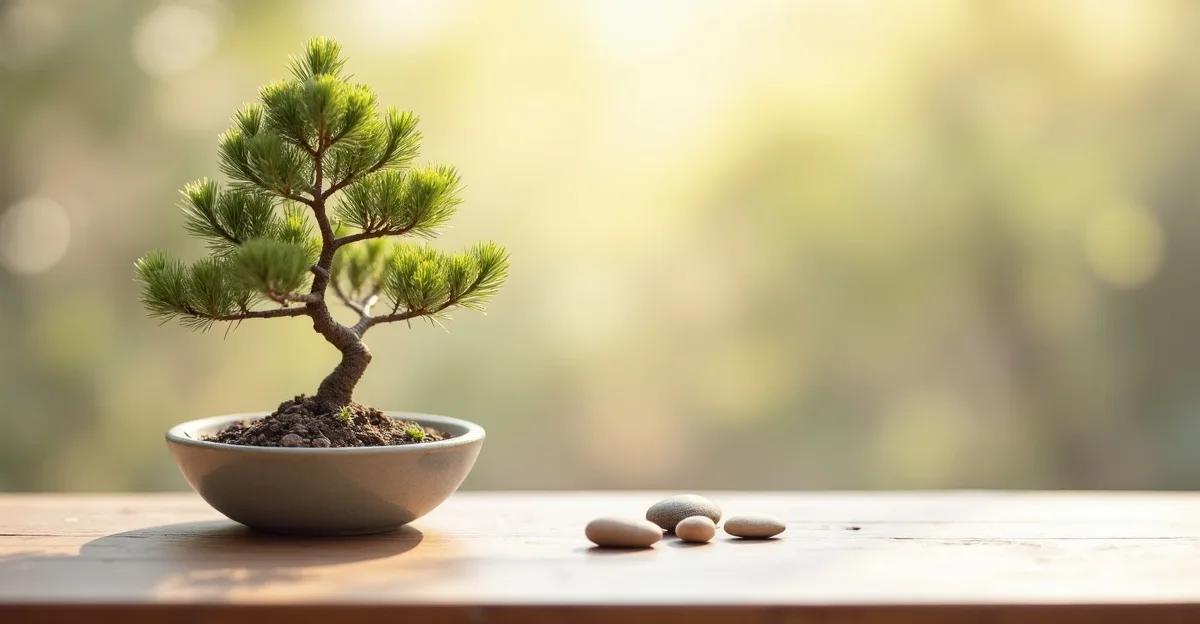
There is a moment — and if you have held a bonsai in your hands, you may already know it — when time slows. The tree before you has endured seasons, adapted to the patient discipline of its keeper, and found beauty in its own imperfection. This is bonsai. Not a houseplant. Not a trick of miniaturization. But a living conversation between nature and the one who tends it.
I have been practicing bonsai for over twenty years, and I still feel that stillness every time I sit with a tree. If you are just beginning, welcome. There is no rush here. Bonsai teaches patience before it teaches anything else.
This guide will walk you through everything you need to know about bonsai tree care for beginners — from choosing your first tree to understanding the subtle art of pruning. Let us begin simply, and build from there.
Choosing Your First Bonsai Species
The single most important decision a beginner makes is choosing the right species. Many people receive a beautiful bonsai as a gift, place it on a desk far from sunlight, and wonder why it dies within months. The tree was not weak — it was simply mismatched to its environment.
There are two broad categories to consider: indoor bonsai and outdoor bonsai.
Best Species for Beginners (Indoors)
- Ficus (Ficus retusa or Ficus benjamina): Tolerant of low light and inconsistent watering. The ideal first bonsai for most homes. Forgiving, resilient, and fast-growing enough to show you the effects of your work.
- Fukien Tea (Carmona retusa): Small white flowers and glossy leaves make this a beautiful companion. It prefers warmth and humidity, so keep it away from drafts.
- Chinese Elm (Ulmus parvifolia): Semi-deciduous with delicate, serrated leaves. Can be kept indoors near a sunny window or outdoors in mild climates. Very popular for beginners.
Best Species for Beginners (Outdoors)
- Juniper (Juniperus): The classic image of bonsai. Hardy, forgiving of minor neglect, and responds beautifully to wiring and pruning. Needs full outdoor sun.
- Japanese Maple (Acer palmatum): Stunning autumn color. A bit more demanding but deeply rewarding for those ready to learn the rhythms of a deciduous tree.
If you are shopping online, I recommend starting with a beginner bonsai starter kit on Amazon — many include a young tree, basic tools, and a pot, giving you everything needed to begin without overwhelm.
Light Requirements
Light is the language bonsai speaks most loudly. Get this right, and many other problems dissolve.
Outdoor species (juniper, maple, pine): Need full sun for at least 4–6 hours daily. Do not attempt to keep these indoors long-term. They will slowly weaken, dropping needles or leaves, and become vulnerable to pests. Place them on a balcony, patio, or in the garden.
Indoor species (ficus, fukien tea, Chinese elm): Need bright indirect light. A south- or east-facing window is ideal. If natural light is insufficient — especially in winter — a grow light placed 6–12 inches above the tree for 10–12 hours a day will keep it thriving.
Watch your tree closely. Leaves reaching toward the light, or sparse growth on one side, tell you it wants more. Sunburned or bleached leaves tell you it has too much. Bonsai always speaks — we only need to listen.
Watering: The Most Common Mistake
I say this to every student I teach: more bonsai die from overwatering than from any other cause.
The beginner instinct is to water daily, to nurture, to give. But bonsai roots need both moisture and air. A pot that is perpetually wet becomes anaerobic — the roots rot, the tree weakens, and no amount of good intentions can reverse what has already been lost.
The Finger Test
Before watering, press your finger about an inch into the soil. If it is still moist, wait. If it is dry or barely damp, water thoroughly — until water runs freely from the drainage holes.
Watering Frequency
In warm summer months, some trees need water every day or even twice daily. In winter, once every few days may be sufficient. There is no universal schedule — only attention to the tree, the soil, the weather, and the pot size.
Water Quality
Collected rainwater is ideal. If using tap water, let it sit overnight to allow chlorine to dissipate. Cold water in winter can shock roots — water at room temperature when possible.
Use a gentle watering can or hose attachment that mimics rain. Flooding the surface with a strong stream disturbs the soil and can wash away nutrients.
Soil and Repotting Basics
Standard potting soil is the enemy of bonsai. It retains too much moisture, compacts over time, and suffocates roots. Bonsai requires a well-draining, aerated substrate that allows roots to breathe.
Choosing the Right Bonsai Soil
A quality bonsai soil mix typically includes:
- Akadama: A Japanese clay granule that absorbs moisture and slowly breaks down, providing excellent structure.
- Pumice: Volcanic rock that improves drainage and aeration.
- Lava rock: Adds drainage, retains some moisture, and prevents compaction.
For most beginners, a pre-mixed bonsai soil is the easiest path. Bonsai soil mix on Amazon comes ready to use and is far superior to generic potting soil.
When to Repot
Young, fast-growing trees typically need repotting every 1–2 years. Older, mature trees may only need repotting every 3–5 years. The sign: roots circling the bottom of the pot or pushing through drainage holes.
Repot in early spring, just before new growth begins. Trim up to one-third of the root mass, work out old soil carefully, and place in fresh substrate. The tree will experience some stress — water carefully and keep it out of direct sun for a few weeks.
Fertilizing
A bonsai grows in a small pot with limited soil. It cannot draw nutrients from the vast reserve that a garden tree enjoys. We must feed it regularly, but thoughtfully.
The Seasonal Rhythm
- Spring (growth season): Use a balanced or nitrogen-rich fertilizer (e.g., 10-6-6) to encourage vigorous new growth. Every 2 weeks.
- Summer: Reduce nitrogen slightly; balanced fertilizer (e.g., 6-6-6). Every 3–4 weeks.
- Autumn: Switch to a low-nitrogen, higher phosphorus and potassium mix (e.g., 3-10-10) to harden growth before winter.
- Winter: Cease fertilizing for dormant outdoor trees. Indoor trees can continue on a very diluted schedule if actively growing.
Solid organic fertilizer cakes (placed on the soil surface) are a traditional approach — they release nutrients slowly with each watering, reducing the risk of burning roots. Liquid fertilizers work well but require more precise dilution.
Tip: Never fertilize a stressed, sick, or recently repotted tree. Feed only healthy, actively growing trees.
Pruning Fundamentals
Pruning is where bonsai becomes art. It is also where many beginners hesitate, afraid to cut. My teacher once told me: “The scissors do not harm the tree. They listen to it.”
Maintenance Pruning
Throughout the growing season, remove shoots that extend beyond the desired silhouette of the tree. Pinch back new growth with your fingers (for deciduous and tropical species) or cut with scissors to maintain shape and encourage ramification — the fine branching that gives mature bonsai their character.
Structural Pruning
In late winter or early spring (for deciduous trees) or autumn (for many conifers), consider the tree’s overall form. Remove branches that:
- Cross or grow inward toward the trunk
- Grow straight up (unless being used for deadwood styling)
- Are too thick relative to the overall design
- Clutter the lower portions of the canopy, preventing light from reaching inner branches
Good pruning shears make this work precise and clean. I recommend quality bonsai scissors on Amazon — dull or heavy tools crush rather than cut, and poor cuts invite disease.
After Cutting
Apply cut paste (wound sealant) to cuts larger than a pencil’s diameter. This prevents desiccation and protects against fungal infection. The wound will slowly callous over — a mark of the tree’s resilience.
Common Problems and Fixes
Yellowing Leaves
Possible causes: Overwatering (roots rotting), underwatering (dehydration), low light, or nutrient deficiency. Check the roots — healthy roots are white or light tan. Dark, mushy roots indicate rot. If overwatering is the culprit, repot into fresh, dry soil and adjust your watering habits immediately.
Dropping Leaves
Possible causes: Sudden temperature change, drafts, relocation stress, or seasonal dormancy (for semi-deciduous species). Move the tree gradually between environments. Avoid placing near heating vents or air conditioning.
Leggy, Sparse Growth
Cause: Insufficient light. Move closer to a window or supplement with a grow light. Prune back leggy shoots to encourage dense ramification.
Pests
Common bonsai pests include spider mites (fine webbing, stippled leaves), scale insects (brown bumps on branches), and fungus gnats (small flies near the soil — a sign of overwatering).
Treat spider mites and scale with neem oil or insecticidal soap, applied twice at 7-day intervals. For fungus gnats, allow the soil to dry out more between waterings and use sticky yellow traps.
Root Rot
The silent killer. If your tree wilts despite adequate watering, or the soil smells sour, root rot may be present. Remove the tree from its pot, trim all dark and mushy roots, dust with cinnamon (a natural antifungal), and repot in fresh, well-draining soil. Keep it slightly dry for 2–3 weeks as it recovers.
Conclusion: Your First Bonsai Purchase
Bonsai is one of the few arts where patience itself becomes the practice. Each session of watering, each careful cut, each observation of new growth — these are not tasks. They are the practice of presence.
If you are ready to begin, I recommend starting with a beginner-friendly kit that includes a young tree, basic tools, and soil. A bonsai starter kit takes the guesswork out of gathering supplies and lets you focus on the relationship with your tree from day one.
Pair that with quality bonsai soil and a pair of bonsai scissors, and you will have everything you need for a meaningful beginning.
The tree does not ask much of you. Only your attention. And in return, it will teach you more about time, beauty, and impermanence than most teachers ever could.
— Kenji