
Disclosure: This post contains affiliate links. As an Amazon Associate I earn from qualifying purchases at no extra cost to you.
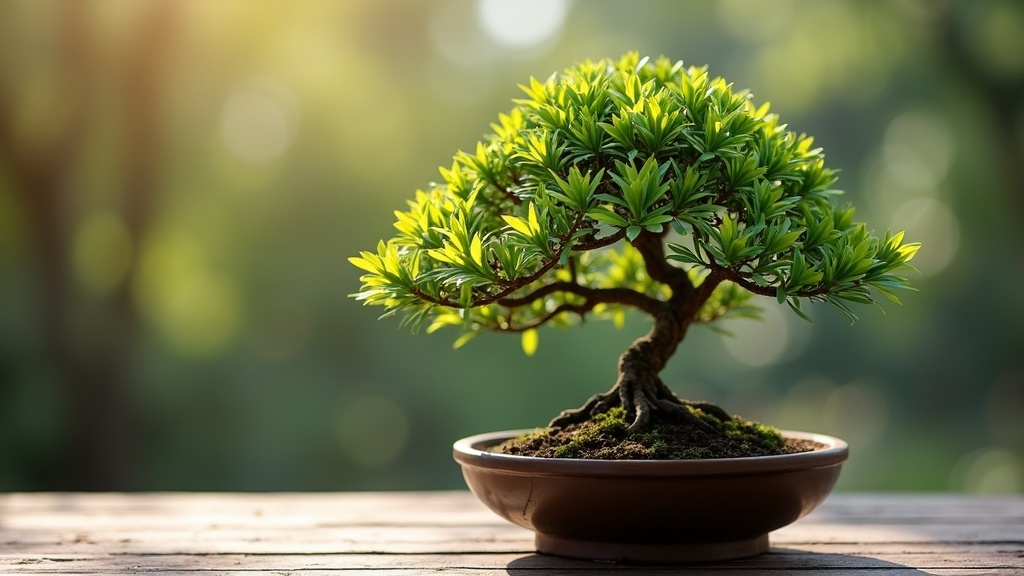
If I had to recommend a single bonsai species to every beginner walking through the door, it would be the ficus — every single time. Ficus bonsai care is forgiving enough for beginners yet interesting enough to hold the attention of experienced practitioners. After twenty years working with bonsai, I still keep several ficus specimens in my collection. This guide covers everything a beginner needs to grow a healthy, beautiful ficus bonsai indoors.
Why Ficus Makes the Ideal Beginner Bonsai
Most bonsai species demand specific conditions that are difficult to replicate indoors: cold winters for dormancy, high humidity, intense light. The ficus sidesteps most of these demands. It tolerates the warm, stable temperatures of typical indoor environments, handles lower light better than most bonsai, recovers quickly from beginners’ watering mistakes, and back-buds vigorously after pruning. When you inevitably make mistakes — and you will — the ficus has a remarkable capacity to forgive and recover.
The Most Popular Ficus Species for Bonsai
Ficus retusa (or ginseng ficus): The most widely sold bonsai ficus, recognizable by its exposed, swollen roots and small, glossy leaves. Extremely forgiving. Perfect for beginners.
Ficus microcarpa: Similar to retusa, slightly smaller leaves. Often labeled “ginseng” in stores due to its root form.
Ficus benjamina (weeping fig): More refined appearance with smaller leaves, but slightly fussier about environmental changes. Beautiful when developed but requires more stable conditions.
Ficus salicaria (willow leaf ficus): Long, narrow leaves that look spectacular in formal upright and weeping styles. Better suited to intermediate practitioners.
Ficus Bonsai Care: Light Requirements
Position your ficus in the brightest spot available indoors — ideally a south-facing window that receives at least four to six hours of direct or bright indirect light daily. Insufficient light causes elongated, weak growth and increases susceptibility to pests.
Ficus bonsai thrive outdoors in summer in most climates. Moving your tree outside for the warm months dramatically improves its vigor and accelerates development. Just avoid sudden transitions from low indoor light to intense outdoor sun — acclimate gradually over one to two weeks to prevent leaf scorch.
Temperature and Location
Ficus are tropical trees that prefer temperatures between 60–95°F (15–35°C). The key rule: keep temperatures consistent. Ficus can be dramatic about sudden temperature changes, cold drafts, or being moved to a new location — all can trigger leaf drop. Once you find the right spot, leave the tree there unless you have a compelling reason to move it.
Keep the tree away from air conditioning vents, exterior doors, and cold drafts from windows in winter.
Watering Your Ficus Bonsai
Water thoroughly when the top half-inch of soil feels dry to the touch. Pour water slowly over the entire soil surface until it flows freely from the drainage holes. Discard any water that collects in the saucer after 30 minutes — standing water causes root rot.
In summer, watering every one to two days is typical. In winter with reduced light and growth, every three to four days. The single most important watering skill is learning to judge soil moisture by feel rather than following a rigid schedule.
Humidity
Ficus appreciate moderate humidity. In dry indoor conditions, a humidity tray (a shallow tray with pebbles and water positioned beneath the pot) improves the local microclimate. Regular misting provides temporary humidity but evaporates quickly. A small room humidifier provides the most consistent benefit during heating season.
Ficus Bonsai Care: Soil and Repotting
Use well-draining bonsai soil — a mix of akadama, pumice, and a small amount of organic matter works well. Avoid standard potting soil, which retains too much moisture and compacts quickly in the small pot volumes bonsai require.
Repot every two years for young, fast-growing trees; every three to five years for established specimens. Spring, just as new growth begins, is the ideal time. Root-pruning during repotting encourages fine feeder roots and reinvigorates the tree.
Fertilizing
Feed every two weeks during the growing season (spring through summer) with a balanced fertilizer diluted to half-strength. Reduce feeding frequency to monthly in fall. In winter, when light levels drop and growth slows, fertilizing is largely unnecessary and can cause leggy, weak growth.
Pruning and Shaping
This is where ficus bonsai are particularly rewarding. Prune new shoots back to two or three leaves throughout the growing season to maintain the shape and encourage branching. The more you prune, the more the tree ramifies — developing the fine twig structure that makes mature bonsai so visually compelling.
For wiring, aluminum wire works well on ficus. The wood is flexible but hardens relatively quickly — check wired branches every three to four weeks and remove wire before it cuts into the bark. Ficus scars heal well but you want to avoid unnecessary marks.
One of ficus’s special abilities: aerial roots. In high-humidity conditions, ficus develop aerial roots that thicken over time and add dramatic character to the design. You can encourage them by maintaining consistently high humidity around the trunk.
Common Ficus Bonsai Problems
Leaf drop: Most often caused by moving the tree or cold draft exposure. If the tree is healthy and you just moved it, wait — new leaves almost always emerge within three to four weeks. If leaf drop continues after stabilizing conditions, check roots for rot.
Scale insects: Brown, waxy bumps on stems. Remove with rubbing alcohol on a cotton swab; treat with neem oil for larger infestations.
Spider mites: Tiny dots and webbing on leaf undersides; thrive in dry conditions. Increase humidity, rinse foliage with water, and treat with neem oil if needed.
Leggy, weak growth: Insufficient light. Move to a brighter location or supplement with a grow light.
Recommended Tools for Ficus Bonsai
To get started with ficus bonsai development, a basic tool set covers most of what you need. A quality set of bonsai pruning tools including concave cutters, branch shears, and wire cutters handles 90% of routine maintenance. As your collection grows, you can add specialized tools.
For soil, a quality pre-mixed bonsai substrate with good drainage saves time while learning the basics.
Frequently Asked Questions
How long does it take to grow a ficus bonsai?
A basic, presentable ficus bonsai can be styled from nursery stock in one to three years. Developing a truly refined specimen with thick trunk and fine ramification takes ten to thirty years. That said, even a young ficus in a good pot with proper care is deeply satisfying to work with.
Can ficus bonsai live indoors permanently?
Yes — ficus is among the best bonsai species for permanent indoor growing. While outdoor summers accelerate development, a well-lit indoor position with supplemental grow lights supports healthy long-term indoor ficus bonsai.
How do I make my ficus bonsai grow faster?
Maximize light, maintain consistent warmth, water correctly, and fertilize regularly during the growing season. Moving outdoors in summer is the single biggest accelerator. Consider growing in a larger training pot (sacrificing aesthetics temporarily) to allow faster trunk development.
Why is my ficus bonsai losing leaves in winter?
Winter leaf drop in ficus is usually caused by reduced indoor light levels. The tree may drop leaves to match its reduced photosynthetic capacity. A grow light on a 14-hour timer usually prevents this problem. If leaf loss is severe, check for root issues or pest infestations.
Start Your Ficus Bonsai Journey
Ficus bonsai care rewards consistent attention and punishes neglect — but compared to most bonsai species, the margin of error is substantial. Find a bright spot, water carefully, feed regularly, and prune actively. The ficus will do its part. This is the tree that taught me bonsai, and twenty years later, it remains one of my most dependable and beautiful species. Start here.