
Disclosure: This post contains affiliate links. As an Amazon Associate I earn from qualifying purchases at no extra cost to you.
I’ll be honest with you: fukien tea bonsai care is not for the faint of heart. After two decades of practicing bonsai, the Fukien tea (Carmona retusa) remains one of the most rewarding — and humbling — trees I’ve worked with. When it’s happy, it rewards you with tiny white flowers and glistening dark-green leaves. When it’s unhappy, it drops every single leaf overnight without warning. This guide covers everything I’ve learned so you don’t have to learn the hard way.
What Is the Fukien Tea Bonsai?
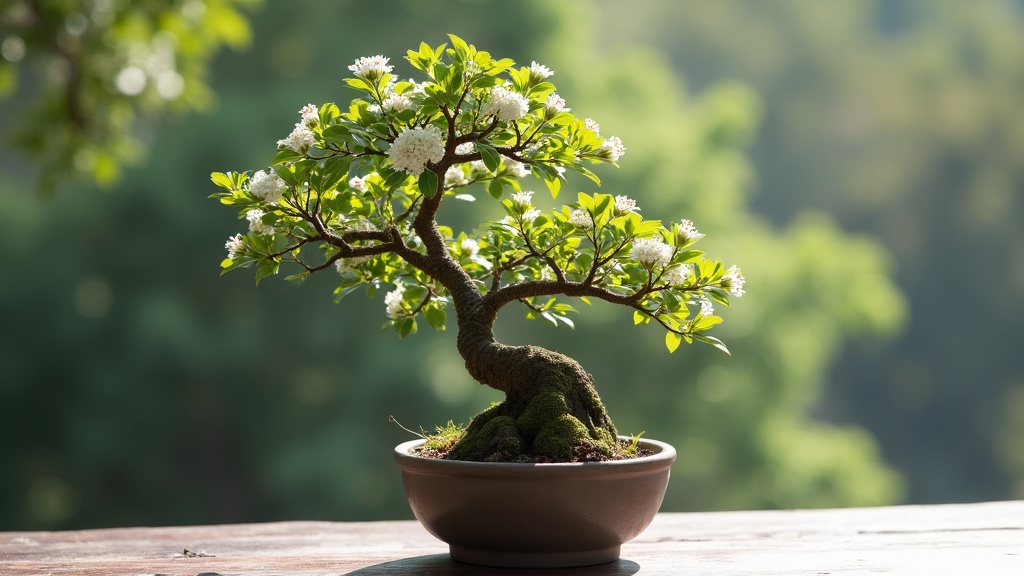
Native to Southeast Asia and southern China, Carmona retusa is a tropical evergreen that has been cultivated as bonsai for centuries. It features small, glossy leaves with tiny white hairs on the upper surface, delicate white flowers, and small red berries. The trunk develops attractive flaky bark over time, making it a genuinely beautiful specimen — if you can keep it alive long enough to reach that stage.
Fukien Tea Bonsai Care: Light Requirements
This is where most beginners go wrong. The Fukien tea is a tropical tree that craves intense, indirect light. Indoors, place it directly in front of your brightest south- or east-facing window. Ideally, give it at least four to six hours of bright light daily.
A quality grow light can be a game-changer during winter months. I’ve had excellent results with full-spectrum LED panels set to 14-hour cycles. If your tree is dropping leaves despite everything else being correct, insufficient light is almost always the culprit.
Outdoors in summer? Partial shade is ideal — morning sun, afternoon shade. Direct afternoon sun in hot climates will scorch the delicate leaves.
Temperature and Humidity
Fukien tea bonsai despise cold. Never let temperatures drop below 50°F (10°C), and ideally keep them between 60–90°F (15–32°C). Cold drafts from windows or air conditioning vents can trigger sudden leaf drop.
Humidity is equally critical. These trees evolved in humid tropical environments. Indoor heating systems create desert-like conditions that stress the tree. Use a humidity tray filled with pebbles and water beneath the pot — just ensure the pot sits above the waterline, not in it. A small room humidifier near your bonsai shelf makes a significant difference during winter.
Watering Your Fukien Tea Bonsai
The rule I follow: water thoroughly, then wait until the top half-inch of soil is slightly dry before watering again. Fukien tea roots hate sitting in waterlogged soil — root rot kills these trees quickly. At the same time, they don’t tolerate drought well either.
Check the soil daily by pressing your finger into the surface. In summer, you may need to water every one to two days. In winter, every three to four days is more typical. Always use room-temperature water; cold tap water can shock tropical roots.
Water quality matters too. Fukien tea is sensitive to fluoride and chlorine. If your municipal water is heavily treated, let it sit uncovered overnight before using, or use filtered water.
Fukien Tea Bonsai Soil Mix
Good drainage is non-negotiable. I use a mix of approximately 60% akadama, 30% pumice, and 10% fine organic matter. This provides the drainage the roots need while retaining just enough moisture. Commercial bonsai soil works adequately, but avoid anything that stays soggy.
Repot every two to three years in spring when you see roots circling the bottom of the pot. Root-pruning during repotting encourages fine feeder roots that improve vigor significantly.
Fertilizing
During the growing season (spring through early fall), fertilize every two weeks with a balanced liquid fertilizer diluted to half-strength. I switch to a low-nitrogen, high-phosphorus formulation in late summer to harden the tree before winter. Cease fertilizing when growth slows in winter.
Pruning and Styling
Prune actively growing shoots back to two leaves as needed throughout the growing season. This encourages ramification — the fine branching that gives bonsai its refined appearance. The Fukien tea back-buds readily if kept healthy, making it forgiving of aggressive pruning.
Wire carefully. The branches are somewhat brittle compared to other bonsai species. Use aluminum wire and remove it before it cuts into the bark — Fukien tea bark scars easily.
Common Problems
Leaf drop: Usually triggered by sudden temperature change, cold drafts, repotting stress, or insufficient light. Stabilize conditions and be patient — new leaves typically emerge within a few weeks if the roots are healthy.
Spider mites: Common on dry indoor specimens. A weekly misting of the undersides of leaves and improving humidity usually controls mild infestations. For serious cases, neem oil spray works well.
Scale insects: Look for brown bumps on stems and leaves. Remove manually with a cotton swab dipped in rubbing alcohol, then treat with neem oil.
Whitefly: Yellow sticky traps catch adults. Neem oil or insecticidal soap handles the rest.
Recommended Fukien Tea Bonsai Tools
For Fukien tea work, I rely on quality concave cutters and fine branch shears. The quality bonsai tool sets on Amazon provide good value for beginners, though serious practitioners eventually invest in Japanese-made tools that last decades.
A reliable moisture meter (like this one) eliminates guesswork when learning the tree’s watering needs.
Frequently Asked Questions
Why is my Fukien tea dropping leaves?
Leaf drop is almost always environmental stress — usually a cold draft, sudden temperature change, repotting shock, or insufficient light. Check all four factors. Move the tree to a consistently warm, bright location away from vents and cold windows.
Can Fukien tea bonsai live outdoors year-round?
Only in USDA zones 10–11 (subtropical and tropical regions). Anywhere temperatures regularly drop below 50°F, the Fukien tea must overwinter indoors.
How often should I repot my Fukien tea bonsai?
Every two to three years for young, vigorous trees; every three to five years for mature specimens. Repot in spring when you first notice new growth beginning. Always use fresh bonsai soil with excellent drainage.
Does Fukien tea bonsai flower indoors?
Yes, with sufficient light. Under strong grow lights or bright natural light, Fukien tea produces tiny white flowers and small red berries throughout the year. Flowers are a reliable sign the tree is thriving.
Final Thoughts
Mastering fukien tea bonsai care requires patience and attentiveness. This is not a “set it and forget it” tree. But when you get the conditions right — warm temperatures, high humidity, bright light, well-draining soil — the Fukien tea becomes one of the most beautiful and rewarding bonsai you can grow indoors. Check your tree daily, respond quickly to warning signs, and don’t be discouraged by early setbacks. Every experienced bonsai practitioner has killed a Fukien tea. The ones who kept going are the ones who now have stunning specimens.