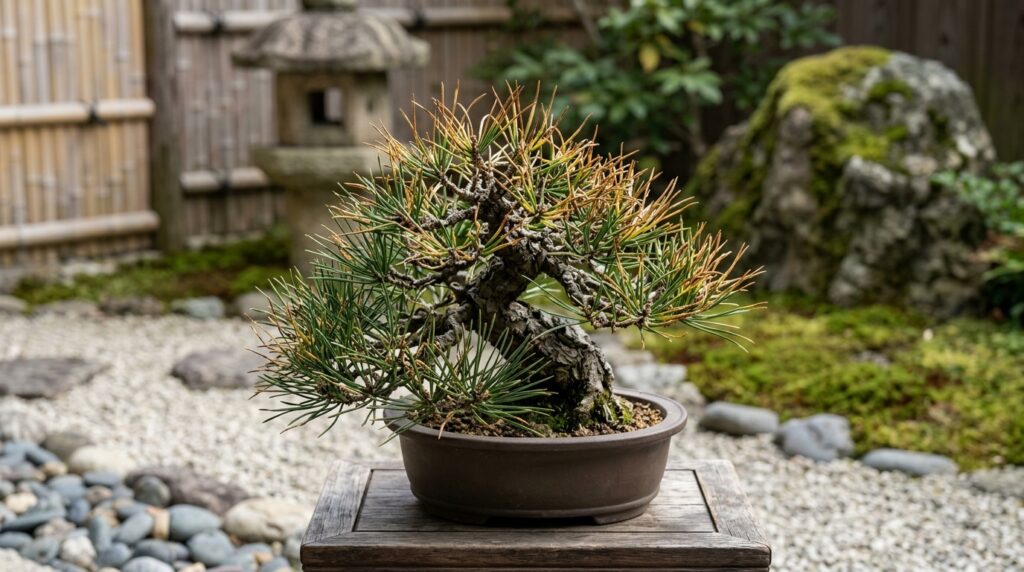
I see this mistake in beginners because bonsai invites action before it teaches patience. A struggling bonsai can look dramatic fast. Dry leaves, yellowing foliage, brittle branches, soggy soil, or a sudden loss of vigor all make it seem like the tree is beyond saving. In many cases, though, a bonsai can recover if you identify the stress early and correct the underlying problem. Reviving a bonsai is less about a miracle fix and more about stabilizing its environment, restoring proper care, and giving it time to recover.
The first step is understanding that bonsai is not a separate species of tree. A bonsai is a regular tree grown in a shallow container and carefully trained over time. That means recovery depends heavily on the species, its season of growth, and what caused the decline in the first place. A juniper, ficus, maple, elm, and pine all respond differently to stress, but the core rescue process is similar.
Start by Checking Whether the Tree Is Still Alive
Before changing anything, confirm whether the bonsai still has living tissue. A tree with dropped leaves can still be alive, while one with green-looking needles may already be dead inside.
Use your fingernail to gently scratch a very small section of bark on a young twig or branch. If you see green tissue underneath, that section is alive. If it is dry and brown beneath the bark, test another branch closer to the trunk. Flexible branches are a better sign than brittle ones. If every branch is dry, snaps easily, and shows no green under the bark, the bonsai may not be recoverable.
If any part of the tree is still alive, focus on rescue immediately. Even a weak bonsai can sometimes push new growth once its roots and growing conditions improve.
Identify the Cause of Decline
Most failing bonsai are suffering from one or more basic care problems rather than disease alone. The most common causes are:
- Underwatering
- Overwatering
- Poor drainage or compacted soil
- Incorrect light exposure
- Temperature stress
- Recent repotting shock or pruning stress
- Pests or fungal problems
Look at the full pattern, not just one symptom. Crispy leaves and bone-dry soil usually point to underwatering. Yellow leaves, blackened roots, a sour smell, and constantly wet soil suggest overwatering or root rot. Pale, stretched growth often means not enough light. Sudden decline after moving the tree indoors or outdoors can indicate environmental shock.
Fix Watering First
Watering mistakes are the leading reason bonsai decline. Reviving the tree starts with correcting moisture in the root zone.
If the Bonsai Is Too Dry
If the soil has pulled away from the sides of the pot or water runs straight through without soaking in, the root ball may have become hydrophobic. In that case, top watering alone may not be enough. Submerge the pot in a basin of water until bubbles slow down, usually for several minutes, then lift it out and let it drain thoroughly.
After that, water only when the upper layer of soil begins to dry slightly, not on a rigid calendar. Bonsai often need more frequent watering than larger potted plants, especially in heat or wind, but they still should not stay permanently soaked.
If the Bonsai Is Too Wet
If the soil stays soggy for days, stop watering on schedule and let oxygen return to the root zone. Check whether the drainage holes are blocked and whether the soil has broken down into a dense, muddy mass. A bonsai in waterlogged soil can suffocate even when water is plentiful.
If root rot is advanced, repotting into fresh, fast-draining bonsai soil may eventually be necessary, but avoid aggressive root work if the tree is already extremely weak. First stabilize light, airflow, and watering. If the season is wrong for repotting, gentle correction is often safer than a major intervention.
Make Sure the Tree Is in the Right Location
Placement has a huge effect on recovery. Many bonsai decline simply because they are being kept in the wrong environment for their species.
Outdoor bonsai such as juniper, pine, spruce, and many maples generally need to live outdoors year-round because they rely on natural light intensity, airflow, and seasonal change. Keeping them indoors for long periods often weakens them severely. Indoor bonsai, commonly tropical species like ficus, jade, or schefflera, usually need bright light, stable warmth, and protection from cold drafts.
When a bonsai is stressed, give it bright, appropriate light but avoid compounding the problem with extremes. A weak tree may benefit from morning sun and afternoon protection rather than harsh all-day exposure during a heat wave. Likewise, do not place it in a dim corner while expecting it to recover.
Inspect the Roots and Soil Carefully
Healthy roots are central to recovery. If the tree is declining despite corrected watering, the root system may be compromised.
Signs of root trouble include:
- A foul smell from the soil
- Black, mushy roots
- Soil that stays wet too long
- No visible vigor during the growing season
Healthy roots are generally firm and lighter in color. If you must inspect them, do so gently. Avoid tearing apart the root ball on a stressed tree unless repotting is clearly necessary. In many cases, the safest path is to wait for the correct season and then repot into an open bonsai mix that drains well and allows air around the roots.
Do Not Over-Prune a Weak Bonsai
When a bonsai looks unhealthy, many beginners instinctively trim away a lot of foliage or branches. That often makes recovery harder. Leaves and needles help the tree photosynthesize and rebuild energy. Remove only clearly dead growth at first. If a branch is unquestionably dry and brittle, it can go. If it still has life, leave it in place until the tree regains strength.
The same caution applies to wiring, heavy shaping, and defoliation. A tree in recovery should not be expected to tolerate styling stress.
Hold Fertilizer Until the Tree Recovers
Fertilizer is not medicine for a failing bonsai. If roots are damaged or the tree is dehydrated, feeding it heavily can increase stress. Wait until you see clear signs of active recovery, such as fresh buds, new leaves, or stronger color, before resuming a light and appropriate fertilizing routine.
Think of fertilizer as support for growth, not as a substitute for proper water, light, and root health.
Check for Pests and Disease
Weak bonsai are more vulnerable to spider mites, scale, aphids, mealybugs, and fungal issues. Inspect the undersides of leaves, the junctions of twigs, and the soil surface. Fine webbing, sticky residue, stippled leaves, cottony clusters, or visible insects all point to a pest problem.
If pests are present, isolate the bonsai from other plants and treat it with the mildest effective option first, such as rinsing foliage or using an appropriate horticultural soap or oil suited to the species. Avoid stacking multiple treatments while the tree is already stressed.
Create a Recovery Routine
Once the urgent issue is addressed, consistency matters more than constant tinkering. A simple recovery routine can help:
- Check soil moisture daily.
- Keep the tree in species-appropriate light.
- Protect it from severe afternoon heat, frost, or drying wind while it stabilizes.
- Remove only dead growth.
- Monitor for pests weekly.
- Wait patiently for new signs of life.
Bonsai recover slowly. Some species may show improvement within a couple of weeks, while others can take an entire growing season to regain strength. Lack of instant results does not always mean failure.
When to Repot a Struggling Bonsai
Repotting can save a bonsai if the soil is broken down or the roots are rotting, but timing matters. Most bonsai are best repotted during their proper seasonal window, often late winter or early spring just before vigorous growth begins, though tropical species follow different patterns. Repotting at the wrong time can add stress to an already weakened tree.
If immediate repotting is unavoidable, keep the work as conservative as possible. Use a free-draining bonsai mix, preserve as many functioning roots as you can, and avoid pairing repotting with heavy pruning.
Common Mistakes That Prevent Recovery
- Watering by schedule instead of by soil condition
- Keeping outdoor bonsai indoors
- Trying fertilizer as a quick fix
- Pruning too much from a weak tree
- Repotting aggressively without regard to season
- Moving the bonsai repeatedly from place to place
Stress stacks up quickly in bonsai. A tree that is too dry, in weak light, and disturbed too often has little chance to rebuild energy. Recovery usually comes from removing stress, not adding more interventions.
Can Every Bonsai Be Saved?
No. If the cambium is dead throughout the trunk and branches, the roots have failed completely, or the tree has been kept in poor conditions for too long, recovery may not be possible. Still, bonsai are often tougher than they look. Trees that appear nearly lifeless can rebound once their basic needs are met.
The key is to act early, diagnose carefully, and avoid panic. Most bonsai revival success comes from patient observation and precise correction of care rather than dramatic rescue measures.
Final Thoughts
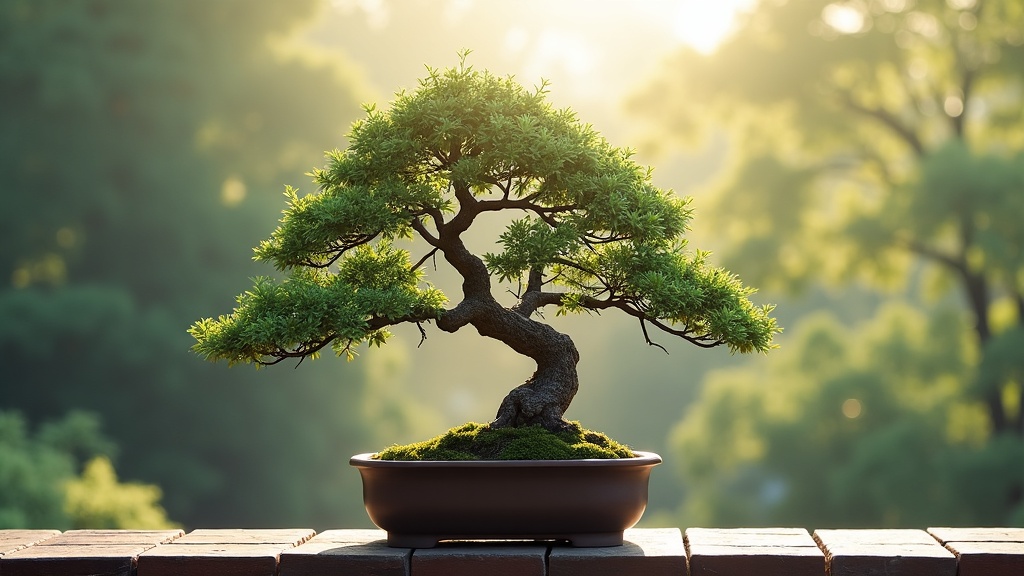
If you are trying to revive a bonsai tree, start with the fundamentals: confirm that it is still alive, correct watering, improve placement, inspect roots and pests, and stop any unnecessary styling work. Then give the tree time. Bonsai recovery is gradual, but with the right conditions, many stressed trees can return to healthy growth.
For beginners who want a simple, sensible setup, I usually think it is enough to compare bonsai tree tools and a pair of bonsai watering can. Those two tools are more relevant to real early practice than buying decorative accessories too soon.