
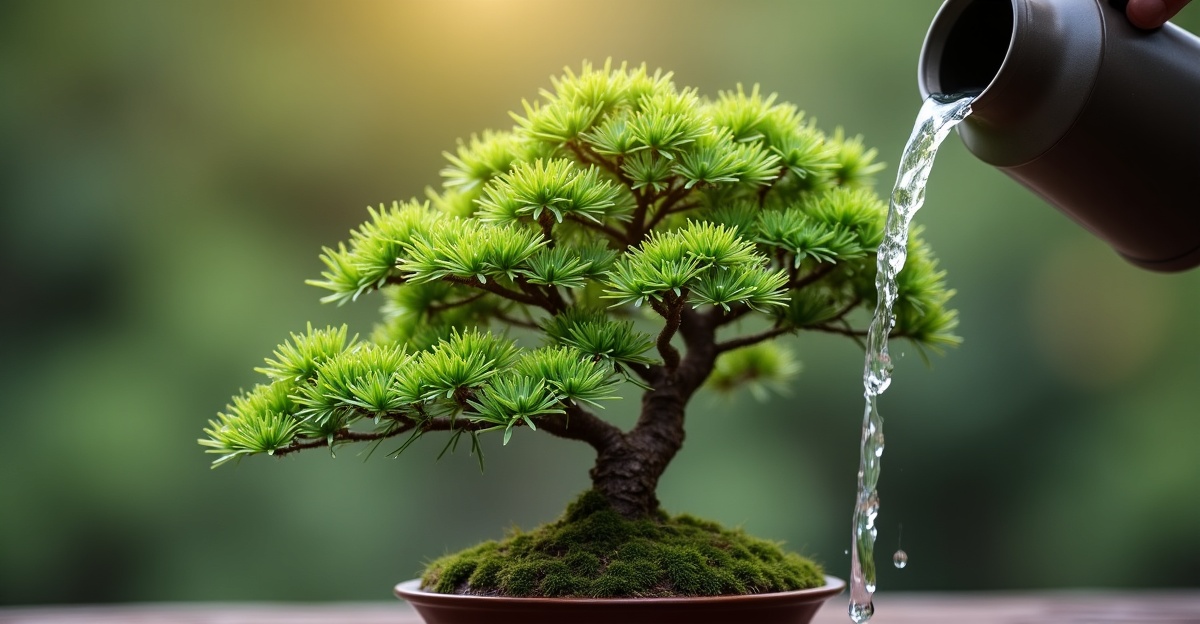
Of all the trees I have worked with across two decades of bonsai practice, the juniper holds a particular place. It was my first tree. A small, unassuming specimen purchased from a roadside market, planted in a shallow terracotta bowl. I knew almost nothing then. The juniper forgave me my ignorance and rewarded my growing attention with slow, faithful transformation.
Today, juniper bonsai are the most widely practiced in the world — and with good reason. They are hardy, responsive to styling, deeply classical in appearance, and capable of developing the kind of dramatic deadwood features that define the ancient aesthetic we call wabi-sabi. The gnarled shari of an aged juniper, bleached silver against deep green foliage, is one of bonsai’s most iconic images.
This guide covers everything you need to know about juniper bonsai care — from the basics of light and water to the finer points of pruning, wiring, and winter protection.
Light and Outdoor Placement
Let me be direct about this, because it is the mistake I see most often: junipers are outdoor trees. They cannot survive indoors long-term.
Juniper bonsai require full sun — a minimum of 4 to 6 hours of direct sunlight each day. Ideally, place your tree where it will receive morning sun (gentler and more beneficial) with some protection from the most intense afternoon rays in very hot climates. A south- or east-facing outdoor position is typically ideal.
Indoors, even in front of the sunniest window, a juniper will slowly decline. The light is insufficient, the air circulation poor, and the humidity dynamics wrong. Within weeks, you will notice the foliage browning from the interior outward — not from disease or pest, but from slow suffocation.
If you want a bonsai for your desk or living room, consider a ficus or fukien tea instead. If you have a balcony, patio, or garden — the juniper is waiting for you.
Seasonal Light Considerations
- Spring and Summer: Full outdoor sun. Water vigilantly in heat.
- Autumn: Continue outdoors until temperatures drop consistently below freezing.
- Winter: Protected location (see Winter Care section). Not indoors.
Watering Juniper Bonsai
Juniper bonsai prefer a cycle of moisture and relative dryness. Unlike tropical species that prefer consistently moist soil, junipers want the upper layer of soil to dry slightly between waterings before being watered again deeply.
How to Water
Water thoroughly, until water flows freely from the drainage holes. This ensures the entire root system receives moisture, not just the top layer. Then wait. Press your finger an inch into the soil — when the top inch is dry to slightly damp, water again.
In hot summer weather, this may mean watering every day — sometimes twice daily for very small pots exposed to full sun and wind. In cooler, overcast conditions, every two or three days may suffice. There is no formula. Only observation.
Signs of Watering Problems
- Browning foliage from tips: Often underwatering or excessive heat/wind desiccation
- Yellowing inner foliage, soft shoots: Often overwatering or poor drainage
- Wilting despite moist soil: Possible root rot — inspect roots immediately
Water Quality
Junipers are moderately tolerant of tap water, but they prefer slightly acidic conditions. If your tap water is very alkaline (hard water), consider supplementing with collected rainwater or filtered water occasionally. Water at ambient outdoor temperature — never ice-cold water in early spring.
Soil and Repotting
The foundation of healthy juniper roots lies in the soil. Standard potting mix holds too much moisture and compacts over time, creating the anaerobic conditions that invite root rot. Junipers need a fast-draining, coarse substrate that retains just enough moisture between waterings.
Ideal Juniper Bonsai Soil
A standard blend for junipers:
- 50% Akadama (Japanese fired clay — moisture retention with drainage)
- 25% Pumice (volcanic rock — drainage and aeration)
- 25% Lava rock (drainage, prevents compaction)
Pre-mixed bonsai soils designed for conifers are an excellent alternative and are widely available. Avoid peat-based mixes — they become hydrophobic when dry and retain too much moisture when wet.
When to Repot
Young juniper bonsai (under 10 years old) typically require repotting every 2 years. Older specimens may go 3–5 years between repottings. The signal to repot: roots circling the pot base, growing through drainage holes, or the tree drying out unusually fast after watering.
Repot in early spring, just before growth begins — typically late February to April depending on your climate. Remove up to one-third of the root mass, working old soil from the roots gently with a root hook. Place in fresh substrate and reduce watering slightly for 3–4 weeks as roots re-establish.
Pruning and Wiring
Juniper bonsai are among the most enjoyable trees to style because they respond visibly and gracefully to both pruning and wiring. This is where bonsai crosses from horticulture into art.
Maintenance Pruning
Throughout the growing season (spring through early autumn), pinch back extending shoots with your fingers or trim with scissors, maintaining the foliage pads that define the tree’s silhouette. Remove shoots growing directly downward or straight up through a pad — these disrupt the flat, cloud-like form that defines the juniper aesthetic.
Never remove more than one-third of the foliage at any time. Junipers need their foliage to photosynthesize; aggressive defoliation weakens them significantly.
Structural Pruning
Autumn, after the tree has hardened its summer growth, is the ideal time for structural pruning — removing or shortening primary branches to define the overall design. This is also when to consider deadwood work.
Creating Deadwood (Jin and Shari)
One of the most distinctive features of mature juniper bonsai is the presence of bleached deadwood. In nature, junipers frequently lose branches to lightning, wind, or drought — the exposed wood weathers to silver-grey, contrasting dramatically with living foliage.
This effect can be created intentionally through jin (dead branch stubs) and shari (areas of deadwood on the trunk). These techniques require some experience, but even a beginner can experiment carefully — strip bark from a selected branch and apply lime sulfur to preserve and bleach the wood.
Wiring
Juniper branches are flexible and respond beautifully to wiring. Use anodized aluminum wire (softer and less damaging than copper) in a thickness roughly one-third the diameter of the branch being wired. Wrap at a 45-degree angle, firm but not so tight as to bite into the bark.
Wire in autumn or winter when growth is slow. Check wired branches every 4–6 weeks — remove wire before it bites into the bark and leaves permanent scars. Once the branch has set in its new position (typically 3–6 months), it can be unwired.
Quality tools make this work easier and more precise. I recommend a good set of bonsai tools including wire cutters and scissors for anyone serious about developing their juniper.
Winter Care
Winter is where many juniper bonsai are accidentally killed — not by cold, but by misguided kindness. People bring their trees indoors to “protect” them. This is the wrong instinct.
What Junipers Actually Need in Winter
Junipers are temperate trees. They require a period of winter dormancy, triggered by cold temperatures. During dormancy, metabolic processes slow, growth ceases, and the tree consolidates its resources for the spring flush ahead. Without this rest, junipers slowly weaken over successive years.
Safe Overwintering
In most of North America (USDA zones 5–9), junipers can remain outdoors throughout winter with minimal protection:
- Place in a sheltered location — against a wall, under an overhang — to reduce exposure to desiccating winter winds
- Ensure the pot does not freeze solid: small pots can be sunk into the ground, insulated with mulch, or placed in an unheated garage or cold frame when temperatures drop below 15°F (-9°C)
- Water sparingly during dormancy — the tree uses very little, and frozen wet soil damages roots
- Do not bring indoors unless temperatures are extreme and prolonged (sustained below -10°F/-23°C)
The goal is cold — but not brutal cold. A cold frame, unheated greenhouse, or sheltered spot against a heated wall wall usually provides exactly the right conditions.
Common Problems
Spider Mites
The most common juniper pest. Look for fine webbing between foliage pads and a bronzing or stippling of the needles. Spider mites thrive in hot, dry conditions — a stressed tree in full summer sun is most vulnerable.
Treatment: Spray thoroughly with neem oil solution or insecticidal soap, covering all foliage surfaces. Repeat every 7 days for 3 treatments. Improve air circulation around the tree.
Scale Insects
Small, shell-like bumps on branches — often mistaken for natural bark features. They suck sap and weaken the tree over time.
Treatment: Remove with a soft brush dipped in rubbing alcohol. Follow up with neem oil spray. Systemic insecticide can be used for severe infestations.
Root Rot
Caused by consistently wet soil, usually from poor drainage or overwatering. Symptoms include wilting foliage despite moist soil, yellowing interior needles, and a sour smell from the pot.
Treatment: Remove from pot, trim all dark mushy roots, dust with sulfur powder or cinnamon, repot in fresh, fast-draining bonsai soil. Water carefully as the tree recovers.
Foliage Browning
Normal seasonal interior needle drop (autumn) is natural and not cause for alarm. Browning from branch tips outward, particularly in summer, usually indicates underwatering or wind desiccation. Move to a slightly more sheltered position and increase watering frequency.
Conclusion
The juniper asks for relatively little: sun, good drainage, patience, and the wisdom not to bring it inside. In return, it offers a lifetime of engagement — seasonal rhythms to observe, styling possibilities to explore, and a gradually deepening beauty that reflects both the tree’s nature and the practitioner’s developing eye.
If you are ready to begin with a juniper, I recommend purchasing a young specimen with an interesting trunk base — the structure you start with will define what you can achieve. A juniper bonsai from Amazon offers a convenient starting point, and pairing it with quality bonsai tools will allow you to begin styling immediately.
Sit with the tree before you cut. Observe from different angles. Ask what it wants to become. The answers, with practice, begin to arrive quietly — the way all good things do.
— Kenji