Shohin Bonsai: The Rewarding Art of Growing Very Small Trees
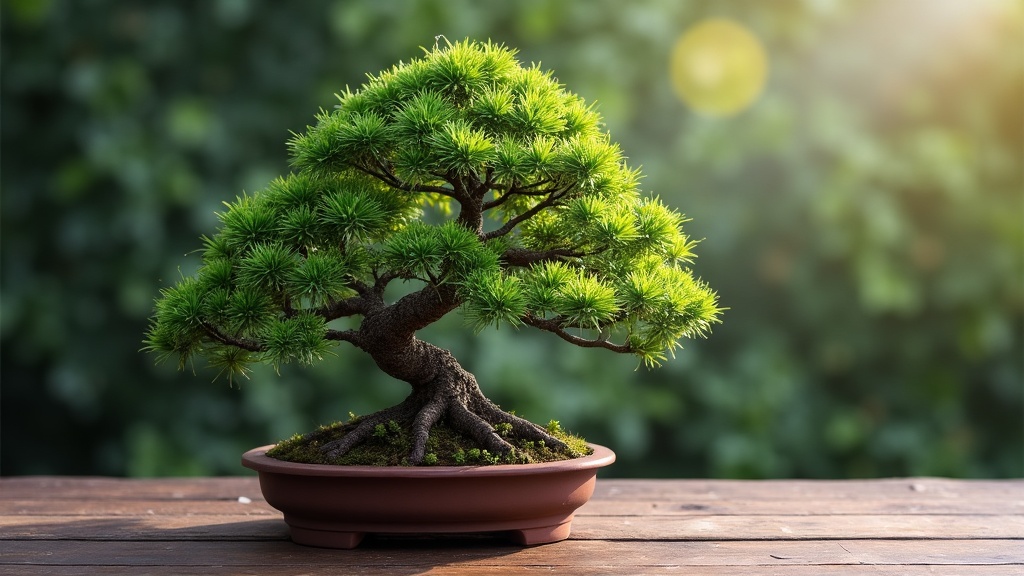
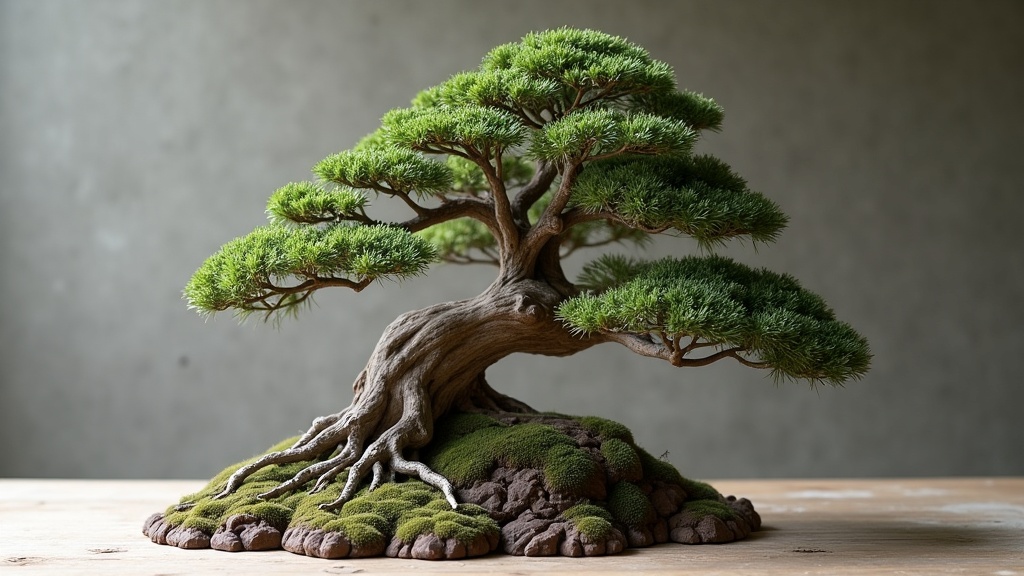
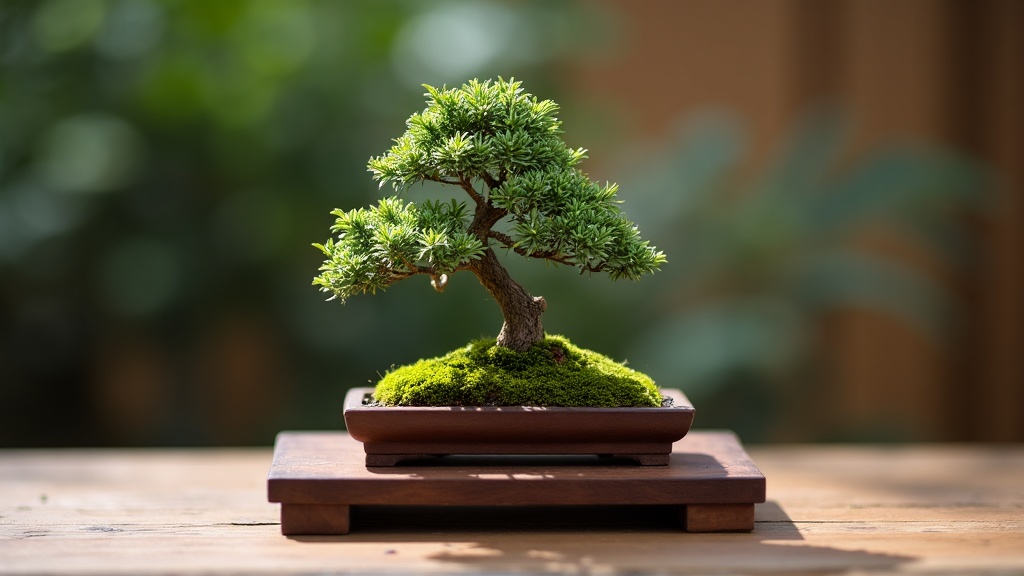
After twenty years of bonsai practice, I still find the greatest challenge and deepest satisfaction in shohin bonsai—trees so small they fit in the palm of your hand. These miniature specimens, typically under 8 inches tall, demand precision that larger bonsai simply don’t require, yet their intimate scale reveals subtleties of form that might be lost on grander trees.
Shohin bonsai represents a distinct category within the broader bonsai tradition, defined not just by size but by the particular aesthetic and technical demands of working at such a reduced scale. If you’ve mastered basic bonsai techniques and want to refine your skills, or if you’re drawn to the elegance of restraint that defines wabi-sabi philosophy, shohin offers a uniquely rewarding path.
Understanding Shohin Bonsai Classification
The Japanese bonsai community recognizes several size classifications, each with specific height ranges measured from the rim of the pot to the tree’s apex. Shohin sits comfortably in the smaller categories:
| Classification | Height Range | Characteristics |
|---|---|---|
| Shito / Keshitsubo | 1-3 inches (3-8 cm) | Extremely small; often displayed on fingertips |
| Mame | 2-6 inches (5-15 cm) | Requires daily attention; delicate root systems |
| Shohin | 6-8 inches (15-20 cm) | Sweet spot for manageability and detail |
| Komono | 6-10 inches (15-25 cm) | Overlaps with shohin; more forgiving |
While these distinctions may seem pedantic, they matter in practice. A true shohin at 7 inches tall presents entirely different challenges than a chuhin (medium) tree at 16 inches. The smaller the tree, the less margin for error in pruning, wiring, and watering.
Why Practice Shohin Bonsai?
Beyond the practical advantages—shohin collections require less space, lower material costs, and easier portability—there are deeper reasons I’ve devoted much of my practice to these small trees.
Space Efficiency and Collection Diversity
In my first studio apartment in Osaka, I could maintain only three chuhin-size bonsai on my narrow balcony. When I shifted focus to shohin, that same space accommodated fifteen trees. This isn’t merely about quantity; it allows you to explore multiple species, styles, and seasonal displays simultaneously. A collection of shohin creates visual rhythms impossible with larger specimens.
Accelerated Learning Through Iteration
Shohin trees develop faster than large bonsai. What might take a large pine twenty years to reveal can happen in eight to ten years with a shohin. You’ll make mistakes—we all do—but the shorter feedback loops mean you learn faster. I’ve refined my understanding of branch structure more through working fifty shohin maples than I could have with five large ones.
The Intimacy of Scale
When you hold a shohin bonsai at eye level, turning it slowly to examine every angle, you notice details invisible on larger trees: the exact curve where a branch emerges from the trunk, the texture of bark at close range, the precise spacing between leaves. This intimacy reveals the essence of the tree without distraction.
Species Selection for Shohin
Not every species adapts well to shohin cultivation. I look for trees with naturally small leaves, compact growth habits, and the ability to tolerate frequent root pruning. After years of experimentation, these are the species I return to:
Deciduous Trees
Japanese Maple (Acer palmatum) – Varieties like ‘Kiyohime’ and ‘Shishigashira’ have naturally tiny leaves. They respond beautifully to ramification techniques and provide stunning autumn color. Start with established Japanese maple bonsai specimens if you’re new to the practice.
Trident Maple (Acer buergerianum) – Incredibly vigorous, forgives mistakes, and develops fine branching quickly. The three-lobed leaves reduce naturally when the tree is kept healthy and root-pruned regularly.
Chinese Elm (Ulmus parvifolia) – Perhaps the most forgiving shohin species. Small leaves, rapid growth, and tolerance for indoor/outdoor transitions make this ideal for beginners exploring small-format bonsai.
Conifers
Japanese Black Pine (Pinus thunbergii) – Challenging but rewarding. Needle reduction requires consistent technique, but a well-developed shohin black pine with aged bark commands attention despite its size.
Shimpaku Juniper (Juniperus chinensis ‘Shimpaku’) – The classic. Dense foliage, flexibility for wiring, and natural compact growth. I’ve seen thirty-year-old shohin junipers that rival larger specimens in refinement.
Japanese White Pine (Pinus parviflora) – Naturally shorter needles than black pine, making it more suitable for shohin. The variety ‘Zuisho’ is particularly prized for tiny needles and compact growth.
Flowering and Fruiting
Satsuki Azalea (Rhododendron indicum) – When a 6-inch azalea erupts in proportional blooms, the effect is dramatic. These require acidic soil and careful watering but reward patience with reliable spring displays.
Japanese Crabapple (Malus sieboldii) – Tiny fruits on a tiny tree create delightful scale. Requires more frequent fertilization than other shohin due to the energy demands of flowering and fruiting.
Essential Techniques for Shohin Development
Root Work and Repotting
The smaller the pot, the faster the root system fills it. I repot most deciduous shohin every one to two years, conifers every two to three. The limited soil volume means you cannot afford compromised root health. Use well-draining akadama-based bonsai soil that provides both moisture retention and aeration.
During repotting, I remove approximately one-third of the root mass, focusing on the bottom and outer edges. The goal is maintaining a compact, radial root system that feeds the tree efficiently without circling the pot.
Precision Pruning and Ramification
On a shohin, every cut matters. Remove a branch on a large bonsai and you’ve altered one element; remove the same proportional branch on a shohin and you’ve changed the entire composition. I use fine-tipped bonsai shears designed for detailed work—larger tools lack the precision needed.
Ramification—the development of fine branching—proceeds differently at shohin scale. I allow shoots to extend to four or five leaf nodes, then prune back to one or two. This constant pinching builds density while maintaining proportion. On deciduous trees, defoliation techniques can reduce leaf size further, though I use this sparingly and only on healthy specimens.
Wiring for Movement
Shohin branches are thin, sometimes as narrow as a pencil lead. I use aluminum wire in gauges from 1mm to 3mm, occasionally down to 0.5mm for the finest shoots. The wire must be thin enough to bend without damaging the branch, yet substantial enough to hold the shape as the wood lignifies.
I wire in late autumn or early spring when deciduous trees are dormant and conifers are less actively growing. Check wired branches every two weeks—shohin thicken quickly, and wire can bite into bark faster than on larger trees. Quality aluminum bonsai wire sets with multiple gauges are essential.
Daily Care Considerations
Watering Discipline
This is where shohin practice becomes meditation. The small soil volume means these trees dry out rapidly, especially in summer heat or during growth flushes. I check my shohin twice daily from June through August—morning and late afternoon. Miss one watering and you risk crispy foliage or worse.
I water thoroughly until it runs clear from drainage holes, wait five minutes, then water again. This ensures complete saturation. In winter, watering frequency drops to every two or three days, but vigilance remains necessary.
Fertilization Protocol
Limited soil volume also means limited nutrient reserves. I fertilize shohin more frequently than large bonsai but at reduced concentrations—half-strength liquid fertilizer every two weeks during the growing season. Slow-release organic bonsai fertilizer pellets placed on the soil surface supplement this regimen.
I stop nitrogen-heavy fertilizers by late summer, switching to low-nitrogen formulations that promote hardening before dormancy. Feeding too late encourages soft growth vulnerable to winter damage.
Winter Protection
Roots in a shallow shohin pot freeze solid far faster than those in ground soil or larger containers. In Kyoto, where winters reach -5°C, I move my shohin into an unheated greenhouse from December through February. If you lack greenhouse space, cluster pots together in a sheltered location and mulch around them with bark or straw. The goal isn’t warmth but protection from rapid freeze-thaw cycles and desiccating winds.
Display and Aesthetic Principles
Shohin display follows specific conventions developed over centuries. The traditional shohin display (shohin-kazari) presents multiple trees together, typically three to nine specimens arranged on multi-level stands called shoku. This creates a curated exhibition showing seasonal diversity, complementary forms, and aesthetic harmony.
I arrange my displays following these principles:
- Asymmetric balance – Odd numbers of trees, varying heights, avoiding perfect symmetry
- Seasonal coherence – Trees at similar phenological stages (all in spring bloom, all in autumn color)
- Negative space – Allowing visual breathing room between specimens
- Accent plants – Including complementary grasses, wildflowers, or viewing stones
A well-composed shohin display tells a story—perhaps a mountain forest transitioning through seasons, or a contrast between windswept pine and delicate maple. The small scale demands viewers slow down and look carefully, which is precisely the point.
Common Challenges and Solutions
Overwatering vs. Underwatering
The narrow margin between these extremes frustrates many beginners. I learned to read each tree individually rather than following rigid schedules. Lift the pot—if it feels light, water it. Check soil moisture with a wooden chopstick inserted an inch deep; if it comes out damp, wait. Different species and pot materials (glazed ceramic retains moisture longer than unglazed) require adapted approaches.
Proportionality Issues
New practitioners often create shohin with leaves, needles, or fruit out of proportion to tree size. A 6-inch tree with 2-inch leaves looks absurd. Species selection solves most of this, but technique matters too. Consistent pinching, adequate light, and controlled fertilization all contribute to appropriate foliage size. On pines, decandling and needle plucking reduce needle length, though these advanced techniques require practice.
Soil Compaction
In small pots, soil breaks down faster from frequent watering and root activity. I replace soil completely during repotting rather than simply trimming roots and adding fresh soil to the edges. Compacted soil leads to poor drainage, root rot, and stunted growth—problems that escalate quickly at shohin scale.
Tools Specific to Shohin Work
While basic bonsai tools suffice for beginners, shohin refinement eventually demands specialized implements:
- Small pruning shears – 4-5 inch blades for accessing tight spaces between branches
- Detail wire cutters – Flush-cutting wire without damaging delicate bark
- Narrow concave cutters – Creating proper healing wounds on thin trunks
- Fine-root hooks – Teasing apart compact root systems during repotting
- Small turntable – Rotating the tree smoothly while working at eye level
I invested in quality Japanese-made tools gradually over years. A complete starter bonsai tool kit covers most needs initially, with specialized tools added as your technique develops.
Frequently Asked Questions
How long does it take to develop a shohin bonsai from scratch?
Starting from a one-year seedling or cutting, you can develop a presentable shohin in 5-8 years with consistent technique. Deciduous trees generally develop faster than conifers. However, purchasing pre-bonsai material (nursery stock with established trunks) can reduce this timeline to 3-5 years. The most refined shohin in collections are often 15-30 years old.
Can shohin bonsai be kept indoors?
Tropical and subtropical species like Chinese elm, ficus, and jade can survive indoors year-round if given adequate light—preferably a south-facing window or supplemental LED grow lights. However, temperate species (maples, pines, junipers) require winter dormancy outdoors. The small size of shohin makes transitioning them between indoor and outdoor environments easier than with large bonsai, but respect each species’ fundamental requirements.
What’s the biggest mistake beginners make with shohin?
Inconsistent watering, without question. The small soil volume in shohin pots provides no buffer for neglect. I’ve seen beautiful trees reduced to kindling by three days of missed watering during a heat wave. If you travel frequently or have an unpredictable schedule, consider starting with slightly larger komono-size bonsai or installing an automatic misting system.
How much does it cost to start practicing shohin bonsai?
Initial investment varies widely. A modest start might include: a pre-bonsai tree ($30-80), appropriate pot ($15-40), bonsai soil ($15-25), basic tools ($40-100), and fertilizer ($10-20). You can begin for $150-200 and expand gradually. Avoid the temptation to buy cheap tools—poor shears that crush rather than cut cleanly will damage your trees and frustrate your practice.
Are shohin more difficult than regular-sized bonsai?
They’re not necessarily more difficult, but they’re less forgiving. Mistakes that a large bonsai might tolerate—an extra day without water, an imprecise pruning cut, delayed repotting—can be catastrophic for shohin. However, the same qualities that make them demanding also make them excellent teachers. Shohin practice forces you to develop discipline, observation skills, and patience. Many practitioners find that after mastering shohin, working with larger trees feels remarkably forgiving.
The Philosophical Dimension
My teacher in Kyoto often reminded me that shohin bonsai embodies wabi-sabi—finding profound beauty in small, imperfect, impermanent things. These tiny trees will never achieve the monumental grandeur of museum specimens. They are modest, intimate, requiring you to slow down and pay attention.
There is something deeply satisfying about holding a tree in your palm, knowing you’ve shaped every branch over years of patient work. The scale demands precision but rewards it with clarity. Nothing is hidden on a shohin; every element remains visible and must contribute to the whole.
This practice has taught me more about restraint than any other aspect of bonsai. In pruning, in wiring, in display—less is consistently more. The temptation to overwork, to add just one more branch or twist the wire tighter, fades with experience. You learn to recognize when the tree is balanced, when further intervention would diminish rather than enhance.
Shohin bonsai may be small in stature, but the practice itself is vast. Each tree presents new challenges, each season brings fresh observations, each year deepens understanding. Twenty years in, I am still learning, still humbled, still finding new subtleties in these palm-sized forests.