I may earn a small commission if you buy through some links below, at no extra cost to you. I only mention tools or supplies when they genuinely help bonsai care.
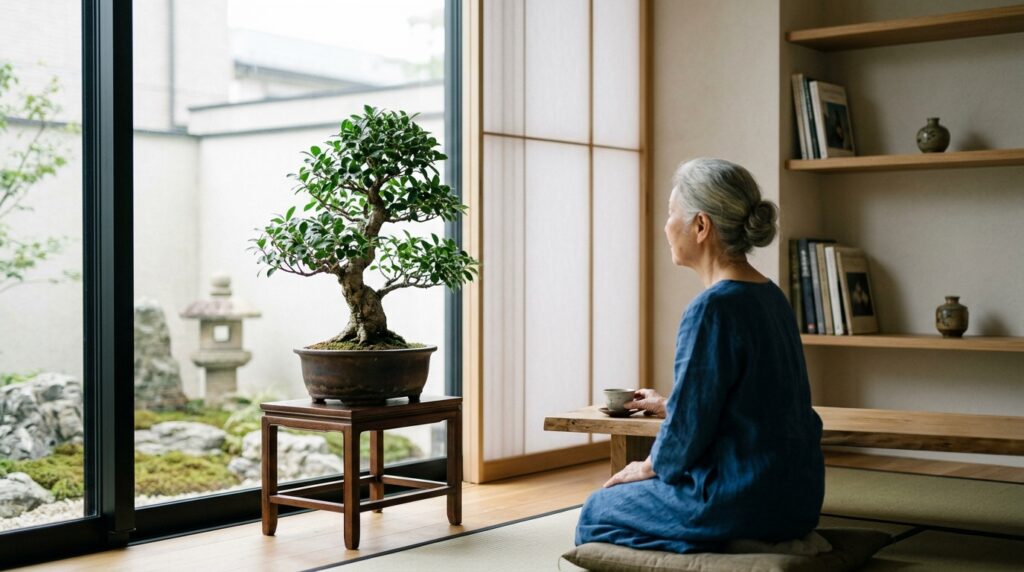
In practice, a bonsai tree should usually face your brightest window, and in most homes that means a south- or east-facing position gives the best growth. If you are asking, What direction should a bonsai tree face for the best growth?, the honest answer is simple: face it toward the strongest, longest natural light it can receive without cooking delicate foliage behind hot glass.
Over many years of training trees in Osaka, Kyoto, and later teaching hobbyists indoors, I have seen the same mistake repeated: people choose a ?nice spot? in the room, but the tree is really growing for the window, not for the furniture. Bonsai are small, but their needs are not small. Light direction shapes internode length, leaf size, vigor, and even how often you must turn the pot to keep the silhouette balanced.
For most indoor situations, I prefer morning sun from the east or steady all-day light from the south. West can work if the species is sun-loving and you watch heat carefully. North-facing windows are usually too dim for strong, compact growth unless you add a proper grow light. The best direction is not a matter of symbolism. It is a matter of useful light.
Start with the short answer: south first, east second
If you want one rule that will help more often than it hurts, use this: place the front of the bonsai so the canopy receives light from a south-facing window, and rotate the tree regularly so growth stays even. If south is not available, choose east. In warmer climates or behind intense summer glass, filtered south light can be better than harsh direct west light for tender indoor species.
Most common indoor bonsai, especially ficus, dwarf jade, Fukien tea, and Chinese elm kept inside, do best when they receive several hours of bright direct or near-direct light. A bright south exposure usually produces tighter growth, smaller leaves, and better overall vigor. East-facing windows are gentler and often easier for beginners because the morning light is useful but less punishing.
One quiet thing I learned from long bench work is that weak light rarely kills a bonsai quickly. Instead, it slowly takes away character. Ramification opens up, leaves enlarge, and the tree begins to look less like a mature image of nature and more like a houseplant in a shallow pot.
What each window direction really means
| Window direction | How it behaves | Best use for bonsai | Main caution |
|---|---|---|---|
| South-facing | Strongest and longest light in most homes | Best overall choice for most indoor bonsai | Watch summer heat against glass |
| East-facing | Gentle morning sun, bright first half of day | Excellent for steady growth and beginner placement | May be slightly weak in winter for demanding species |
| West-facing | Hot afternoon sun, bright but often harsher | Useful for sun-loving species if monitored closely | Leaf scorch and heat stress are more likely |
| North-facing | Lowest natural light, often indirect only | Only workable for low-light tolerance or with grow lights | Leggy growth and long-term weakening |
This is the practical framework I teach. Do not think only in compass directions. Think in hours of useful light, heat load on the leaves, and the species in front of you.
Species matter more than a rigid rule
Tropical bonsai indoors
Tropical and subtropical species are the ones most people keep indoors year-round. Ficus is the most forgiving. Dwarf jade is also accommodating if you avoid overwatering. Fukien tea, brush cherry, and Carmona usually want more light and steadier conditions than beginners expect. For these trees, south is ideal, east is often very good, and west is acceptable if the window does not trap too much afternoon heat.
If you are choosing your first tree, the ficus bonsai category is still the one I recommend most often for beginners indoors. It tolerates the compromises of indoor life better than many species sold as ?indoor bonsai.?
Temperate bonsai are not true indoor bonsai
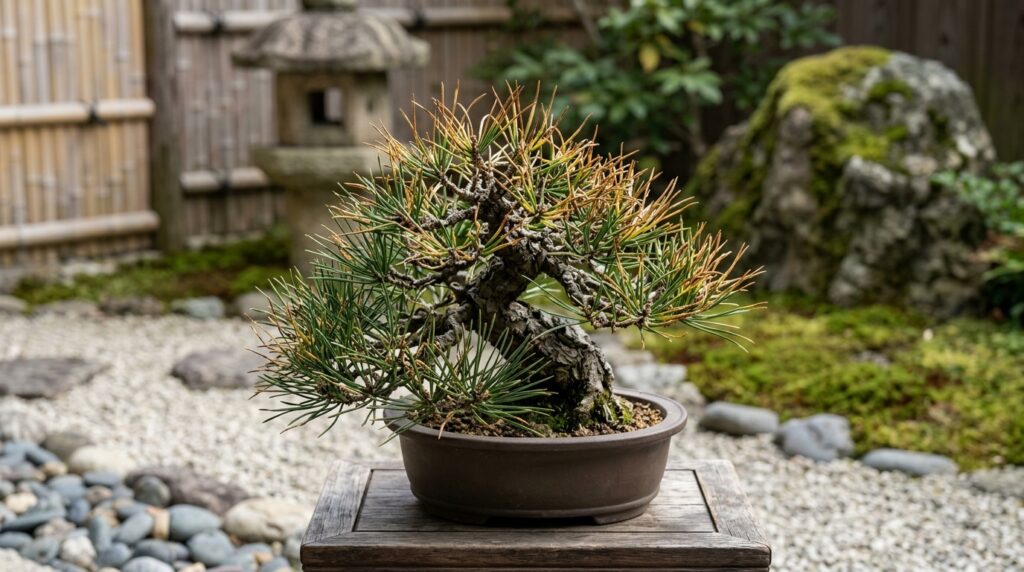
Juniper, pine, maple, larch, and many elms do not merely prefer outdoor life. They need it for long-term health. If you are asking which direction they should face inside the house, the deeper answer is that they should not live there except perhaps briefly for display. A sunny south window is still far weaker than open outdoor exposure.
I have seen many beginners place a juniper in a bright indoor window and believe it is doing well because it stays green for a while. That delay can be deceptive. By the time it clearly declines, the damage is already old.
Which bonsai tolerates the lowest light indoors?
No bonsai truly likes low light, but some tolerate it better. Ficus is usually the safest answer, followed by dwarf jade in a dry, bright room. Chinese elm can sometimes adapt for a period, though it still prefers stronger light than many people assume. If you are stuck with a dim apartment, the right move is usually not to search for a miracle species. It is to combine the brightest window you have with a reliable grow light.
A simple full-spectrum grow light for bonsai is more useful than moving a tree from one weak corner to another. Light intensity matters far more than decorative placement.
Where should you place a bonsai tree in your home?
Place it as close to the brightest suitable window as the species can tolerate, ideally within a foot or two of the glass. That is the answer in most ordinary homes. The farther back you move the tree, the faster light levels collapse. A spot that looks bright to your eye may be dim for a bonsai only a few feet from the window.
Good placement also means avoiding drafts, heating vents, and air-conditioning blasts. A bright south window above a radiator is often worse than a bright east window with stable temperature. Bonsai appreciate consistency. They do not need perfect conditions every hour, but they respond badly to constant swings between hot, dry air and cool drafts.
When teaching beginners, I often ask them to observe where the first sunlight lands in the morning and how long that patch stays strong. That simple habit tells you more than guessing based on compass direction alone, especially in apartments shaded by neighboring buildings or deep roof overhangs.
How to orient the tree itself
There are two different questions here: which direction the window faces, and which direction the bonsai itself should face. The first is about horticulture. The second is about design and even growth.
For display, the front of the bonsai should face the viewer. For growth, the whole tree should receive balanced light over time. If you leave one side permanently toward the window, that side will strengthen and the back side will weaken. Branches extend toward the light, and the silhouette slowly drifts.
My usual practice is simple:
- Choose the best viewing front based on trunk line, nebari, and primary branch structure.
- Place that front generally toward the room when displaying the tree.
- Rotate the pot a quarter turn every few days to a week during active growth.
- Rotate less often if a branch is being deliberately strengthened or if a species is touchy about being moved.
There is an aesthetic balance here. Bonsai is not only about maximum speed of growth. It is also about controlled, even development. Sometimes I accept slightly slower growth in exchange for a better, more balanced interior habit.
When south is too strong and north is not enough
Signs the light is too strong
If a tropical bonsai is pressed against very hot summer glass, you may see crisp leaf edges, pale patches, or rapid drying that outpaces the root system. In that case, pull the tree back slightly, diffuse the strongest afternoon sun with a sheer curtain, or switch from west to east exposure if available.
Signs the light is too weak
Weak light usually shows up as long internodes, larger leaves, slow drying soil, and growth that leans noticeably toward the window. You may also see reduced back budding and a loss of density in the interior canopy. This is one reason beginners struggle with pruning indoors: poor light makes every pruning cut less productive because the tree does not have the energy to respond compactly.
If your bonsai is always stretching, light is the first issue to fix, not fertilizer. A tree cannot eat its way out of shade.
Supporting setup: light, soil, watering, and pruning work together
Direction matters, but it is only one part of the system. A tree in a bright south window still struggles if the soil stays soggy or the pruning is mistimed.
Soil mix
For indoor bonsai, I prefer a fast-draining mix that gives roots air and makes watering easier to judge. If you want ready-made components, a search for akadama, pumice, and lava rock bonsai soil is a practical place to start. A simple beginner recipe is equal parts akadama, pumice, and lava rock, adjusted slightly for your climate and watering habits. In a dimmer home, drainage matters even more because the soil dries more slowly.
Watering
A bonsai in strong southern light may need water much more often than the same species in an east window. Do not water on a fixed calendar. Check the soil, then water thoroughly when appropriate. The direction of the light changes the drying rate, and the drying rate changes the root health.
Pruning
Pruning success also follows the light. Compact growth comes from enough energy to push short, useful shoots after a cut. If you are maintaining an indoor tree, a fine pair of bonsai pruning shears makes routine trimming easier, but the tool is secondary to placement. Even excellent pruning done in poor light often produces weak, coarse regrowth.
One of the quieter lessons bonsai teaches is that technique cannot fully replace environment. We refine the tree, but first we must support its strength.
A practical placement routine for beginners
- Choose the brightest east or south window available.
- Place the bonsai close to the glass, but not where leaves are pressed against it.
- Watch the tree for one to two weeks for heat stress, leaning, and drying speed.
- Rotate the pot regularly so one side does not dominate.
- Add a grow light if the window is north-facing or heavily shaded.
- Adjust watering frequency to the actual drying rate in that location.
- Move temperate species outdoors rather than trying to solve an indoor light problem that is really a species mismatch.
This routine is not glamorous, but it works. Good bonsai care often looks like repeated small corrections rather than dramatic interventions.
FAQ
Should a bonsai face east or west?
East is usually the safer choice for indoor bonsai because morning sun is bright but gentler. West can be excellent for strong-growing tropicals, but the afternoon heat can be excessive behind glass.
Can a bonsai live in a north-facing window?
Only some tropical species will tolerate it for a while, and even then growth is often weaker and leggier. A north window becomes much more workable if you add a proper grow light.
How often should I rotate my bonsai?
For even growth indoors, rotating about a quarter turn every few days to once a week works well for many trees. If you are developing a specific branch or managing flowering, you may adjust that schedule.
What is the best indoor bonsai for beginners?
Ficus remains the best indoor beginner bonsai in most homes because it tolerates lower humidity, occasional missed watering, and ordinary indoor light better than many other species sold to newcomers.
Does the front of the bonsai have to face the window?
No. The display front should usually face the viewer, not the window. Just remember to rotate the tree so the back and sides do not weaken over time.
My view after years of keeping bonsai in homes
If you want the strongest, most compact growth, place your bonsai at a south-facing window, use east-facing light when you want a gentler option, and treat west light with respect. North is rarely enough on its own. Then rotate the tree, watch how the leaves respond, and let the tree tell you whether the placement is truly working.
That is the calm discipline behind this question. We are not choosing a lucky direction. We are choosing the direction that gives the tree enough light to remain healthy, proportionate, and believable as a bonsai.