This article contains a few affiliate links for indoor bonsai tools and setup items I genuinely find useful. If you buy through them, I may earn a small commission at no extra cost to you.
When people ask me, ?What are the ideal conditions for positioning a bonsai tree indoors?? my answer is simple: place it where light is strongest, air can move gently, temperature stays steady, and the tree is not being stressed by heaters, vents, or deep shade. Indoors, positioning is not a decorative choice first. It is a cultivation choice, and the tree will tell you very quickly if you got it wrong.
Over many years of teaching, I have seen beginners lose healthy trees not because they watered badly, but because they set them on a beautiful shelf in a dark corner. I have also seen the opposite: an ordinary windowsill with consistent morning light grow a far better bonsai than an expensive display stand across the room. Indoors, the best position is usually less romantic and more practical than people expect.
Start with the most important rule: species decides the position
Before you choose a place in your home, you need to know whether your bonsai is truly suitable for indoor life. This is where many mistakes begin. Not every bonsai can live inside long term.
True indoor bonsai species are tropical or subtropical trees that tolerate warm, stable household conditions. Ficus, dwarf jade, Hawaiian umbrella tree, Fukien tea, and Chinese elm in some climates are the usual examples. These can adapt to a bright indoor position if the light is strong enough.
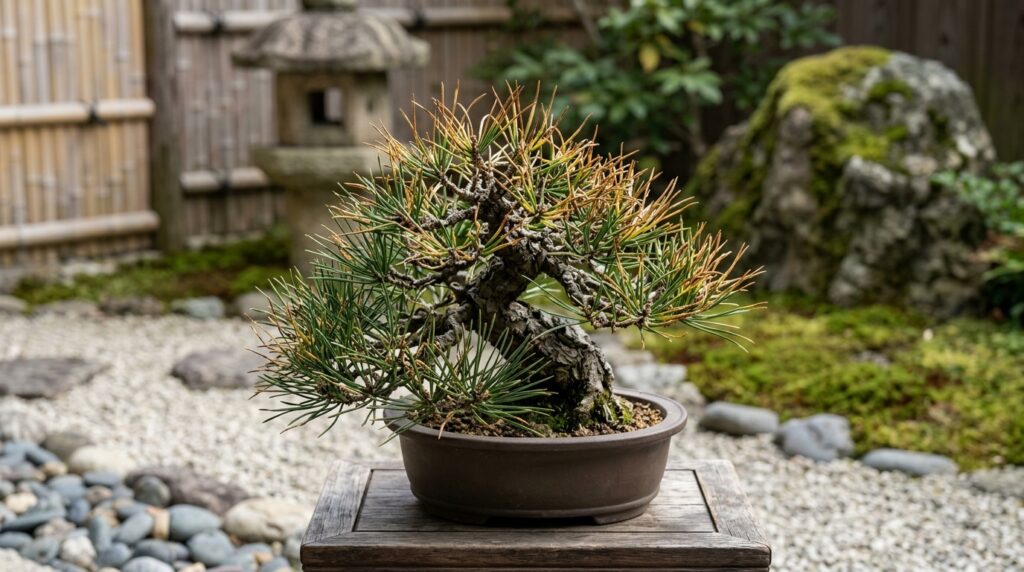
Outdoor bonsai species such as juniper, pine, maple, larch, and most temperate trees should not be kept indoors as houseplants. They need seasonal change, outdoor airflow, and winter dormancy. A juniper on a coffee table may look attractive for a week or two, but it is already declining. I often tell students that an outdoor bonsai can survive poor styling for a long time, but it cannot survive the wrong climate.
If you are still deciding what to grow, beginners do best indoors with sturdy tropical material. A good place to browse options is this selection of beginner-friendly indoor bonsai trees, but choose the species first and the styling second.
Where should I place a bonsai tree in my home?
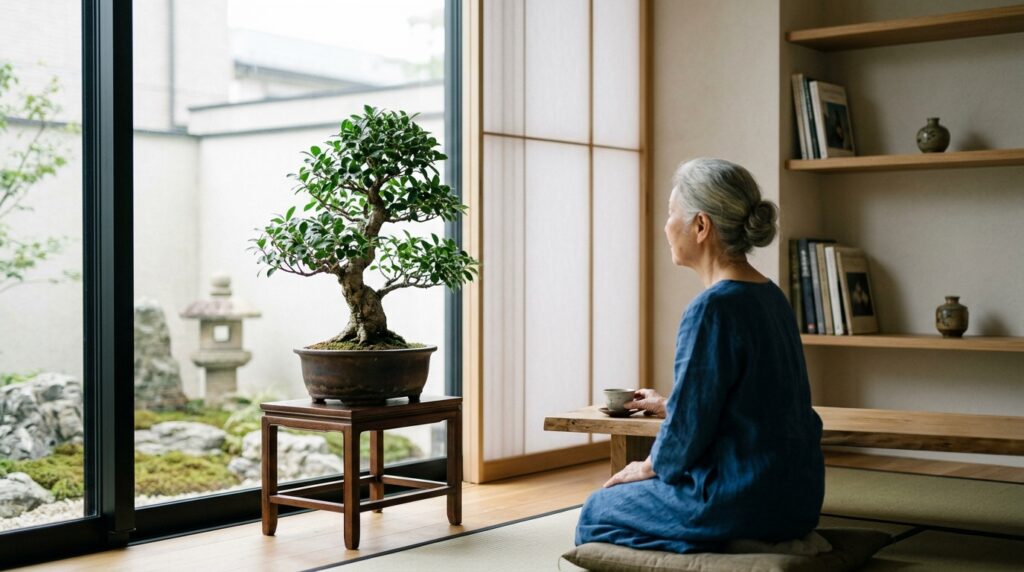
The best place in most homes is directly in front of, or very close to, your brightest window. For many growers, that means a south-facing window in the northern hemisphere, followed by an east-facing window if the summer sun is harsh. West-facing windows can also work, but they may create hotter afternoon conditions. North-facing windows are usually too dim for long-term health unless you supplement with a grow light.
Distance from the glass matters more than people realize. A bonsai sitting one foot from a bright window receives much more usable light than a bonsai placed six or eight feet back in the same room. Light falls off quickly indoors. If your tree is across the room because the furniture looks better that way, assume the tree is underlit unless you are using artificial support.
I usually suggest this order of priorities when choosing a location:
- Maximum light from a bright window or grow light
- Stable temperature without hot or cold blasts
- Gentle airflow without constant drying wind
- Daily visibility so you notice soil moisture, pests, and leaf changes
- Aesthetic placement only after the tree?s needs are met
A bonsai should live where you can observe it easily. This sounds small, but in practice it matters. Trees decline gradually. Leaves get a little paler, internodes lengthen, or the topsoil stays wet too long. If the tree is hidden in a guest room or on a high shelf you rarely inspect, you lose the quiet feedback that keeps bonsai healthy.
The ideal indoor conditions, broken down clearly
Light
Light is the first condition to solve, and the hardest one indoors. Most indoor bonsai want several hours of bright indirect light, with some direct morning or late afternoon sun depending on species. Ficus and dwarf jade can tolerate more direct sun than Fukien tea or newly acclimated tropicals. If you notice weak shoots stretching toward the window, leaves getting larger, or growth becoming sparse inside the canopy, the tree is asking for more light.
When a window alone is not enough, a grow light is often the most sensible fix. I recommend a practical category search such as full-spectrum grow lights for indoor bonsai. Position the light close enough to be useful, follow the manufacturer?s distance guidance, and run it on a timer so the tree receives a reliable day length. Consistency helps more than occasional intensity.
Temperature
Most indoor bonsai species are comfortable in the same temperature range people are: roughly 60 to 75 degrees Fahrenheit, with some tolerance above and below. The important point is stability. Avoid placing the tree beside a heater, above a radiator, in the direct path of air conditioning, or against winter-cold glass if that window becomes drafty at night.
One of the more subtle problems I see is the ?good window, bad vent? combination. The light is excellent, but warm dry air blows across the pot all day. The owner waters more, the surface dries quickly, and the tree begins to struggle from repeated stress. Position is never just about the window. It is about the microclimate around the tree.
Humidity
Humidity matters, but not as much as people think. Low household humidity rarely kills a bonsai by itself. Poor light and bad watering do far more damage. Still, tropical species appreciate moderate humidity, especially in winter when indoor air becomes very dry.
A simple pebble tray can help create a gentler zone around the pot, and it also protects furniture from drainage. If that would make your setup easier, this humidity tray for bonsai category is useful. Just remember that a tray is support, not a cure. If the light is poor, humidity will not compensate.
Airflow
Bonsai need fresh air movement to reduce fungal issues and keep growth balanced, but they do not want to be battered by constant moving air. A room that is occasionally opened, gently ventilated, or lightly circulated is better than a sealed corner with stale air. Avoid placing the tree in a dead pocket behind curtains or packed into shelving where leaves stay still and damp.
After many seasons, I have come to trust a simple observation: trees in bright, slightly active rooms usually behave better than trees in rooms that are technically warm enough but feel closed and stagnant. You can often sense this before you can measure it.
Best indoor positions by home location
| Location | Usually Good or Bad | Why |
|---|---|---|
| South-facing windowsill | Usually best | Strongest natural light for most indoor bonsai, especially in winter |
| East-facing window | Very good | Gentle morning sun and bright light without the harshest afternoon heat |
| West-facing window | Conditionally good | Useful light, but afternoon heat can stress some species in hot seasons |
| North-facing window | Usually weak alone | Often too dim unless paired with a grow light |
| Coffee table across the room | Poor | Looks attractive, but light levels are usually far too low |
| Bathroom with bright window | Sometimes good | Helpful humidity, but only if light is strong and temperature stays stable |
| Kitchen near stove or vent | Often poor | Heat swings, grease, and drying airflow create stress |
| Office desk under grow light | Can be excellent | Easy daily observation and reliable supplemental light |
How far from the window should an indoor bonsai sit?
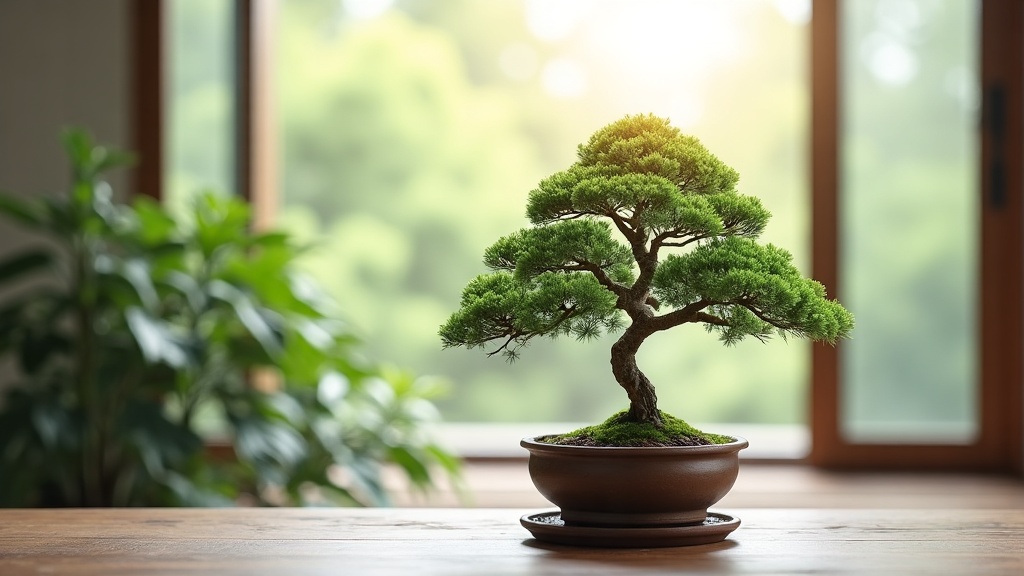
As close as practical. For most indoor bonsai, I prefer the tree to sit directly on the windowsill or on a stand immediately beside the brightest part of the window. Once you move several feet away, you often need artificial light even if the room still feels bright to your eyes.
There is one caution here. In very hot climates, a south or west window can overheat thin pots and tender foliage during peak summer afternoons. If the glass becomes intensely hot, give the tree a little separation or use a sheer filter during the worst hours. This is where judgment matters. A ficus can usually take more sun than a freshly imported Fukien tea, and a healthy, established tree can handle conditions that would stress a recently repotted one.
Rotate the tree periodically if growth is leaning strongly toward the light, but do not turn it every day. Weekly or every couple of weeks is enough in most homes. Constant rearranging creates another kind of inconsistency.
Common positioning mistakes that weaken indoor bonsai
Placing the tree for decor instead of health
This is the most common problem. People put bonsai where a sculpture would look good: a mantel, a bookshelf, a hallway console. Bonsai are living trees in shallow pots. Their needs are closer to greenhouse logic than furniture logic.
Keeping an outdoor species indoors all year
If you were given a juniper bonsai as a gift, do not try to make it an indoor tree. A juniper needs to live outside. Many ?juniper bonsai tree care guide? searches begin after the tree has already started browning indoors. The right position for juniper is outdoor sun and seasonal weather, not a bright living room.
Letting curtains block the light
Sheer curtains reduce light. Heavy curtains reduce it dramatically. If your bonsai is behind fabric most of the day, the effective light may be much lower than you assume.
Ignoring nighttime drafts and heat blasts
A location can appear ideal at noon and still be poor over a full day. Pay attention to what happens at night, when heating turns on, or when summer air conditioning begins cycling. Indoor bonsai respond to patterns, not snapshots.
Setting up the area so the tree stays healthy
The best indoor bonsai position is usually supported by a few simple tools rather than constant intervention. I prefer a modest, disciplined setup over elaborate gadgets.
- Use a humidity or drip tray to catch water and create a cleaner growing space.
- Add a small grow light if the brightest window still gives weak growth in winter.
- Keep proper bonsai soil so the roots get air and the watering rhythm stays predictable. If you need a starting point, browse bonsai soil mixes rather than dense generic potting soil.
- Check moisture with your fingers daily, especially in the first few weeks after moving the tree to a new spot.
- Clean the window area so dust, old leaves, and stagnant moisture do not build up around the pot.
One quiet lesson from long practice is that good positioning simplifies everything else. Watering becomes easier to judge. Fungal issues become less frequent. Growth becomes compact enough that pruning has a purpose. When the position is wrong, every other technique feels strangely harder.
What the tree is telling you about its position
A well-placed indoor bonsai usually shows steady, compact growth, healthy leaf color, and a soil-drying rhythm that makes sense for its species and pot size. A poorly placed tree often gives early warnings:
- New shoots stretch long and weak toward the window
- Leaves become pale, oversized, or sparse
- The soil stays wet too long because growth has slowed
- Leaf drop increases after exposure to vents, drafts, or sudden moves
- Pests such as spider mites appear more easily in dry, stressed conditions
When you see these signs, resist the urge to add more fertilizer first. Position and light usually deserve attention before feeding does. Fertilizer cannot replace missing sun.
FAQ
Can a bonsai live in a room with no windows?
Only with a strong, properly positioned grow light on a reliable schedule, and even then species choice matters. Without adequate artificial light, a windowless room is not suitable.
Is a bathroom a good place for an indoor bonsai?
It can be, but only if the bathroom has bright natural light. The extra humidity may help tropical species, but a dim bathroom is still a dim room.
Should I mist my bonsai if it is indoors?
Occasional misting is harmless for many tropical species, but it is not a substitute for proper light, watering, and airflow. I do not rely on misting as a primary care method.
What is the best bonsai for beginners indoors?
Ficus is usually my first recommendation. It tolerates indoor conditions better than most species, recovers well from small beginner mistakes, and responds clearly to improved light.
How do I know if my bonsai needs a grow light?
If it is more than a short distance from a bright window, if winter light is weak, or if growth becomes stretched and pale, a grow light is usually the right answer.
The ideal conditions for positioning a bonsai tree indoors are bright light, steady temperature, modest humidity, gentle airflow, and daily visibility. If you choose the right species and give it the brightest honest place in the house rather than the prettiest empty corner, the tree has a fair chance to behave like a bonsai instead of merely surviving indoors.