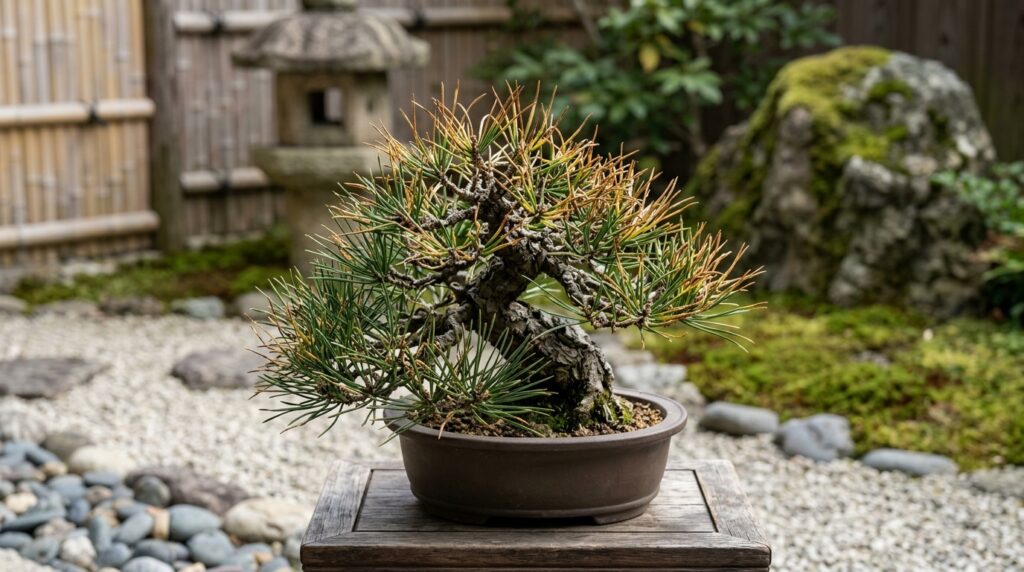
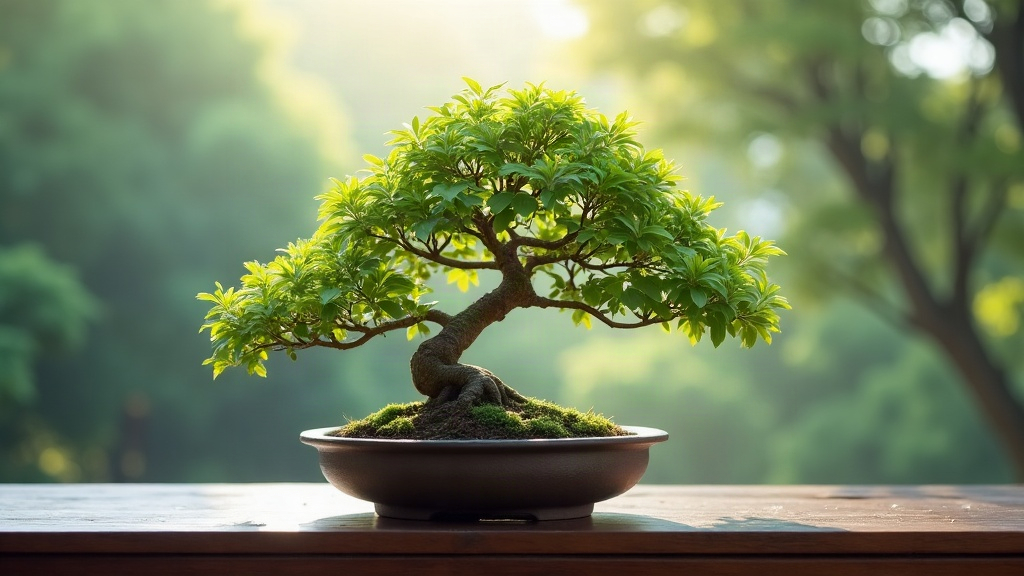
I see this mistake in beginners because bonsai invites action before it teaches patience. Disclosure: This article may contain Amazon affiliate links. If you buy through these links, Wabi Bonsai may earn a small commission at no extra cost to you.
I get more leaves on a ficus bonsai by making the tree strong first, then pruning it with patience. If the tree is weak, dropping leaves, or growing in poor light, no pruning trick will create lasting density.
Ficus is a forgiving bonsai subject. It can bud from older wood, recover from hard work better than many species, and grow well indoors when conditions are right. But leaves are not decoration we add to a tree. They are the result of light, roots, water, warmth, and timing working together.
The short answer is this: give your ficus stronger light, water it thoroughly but not constantly, use open bonsai soil, feed during active growth, and prune shoots only after they have extended. Let a shoot grow to 6 to 8 leaves, then cut it back to 2. Repeat this through healthy growth periods, and the tree will gradually build more branches and more leaves.
The Fast Answer
- Increase light first. Put the tree in your brightest suitable window, or use a strong grow light for 10 to 12 hours a day.
- Water deeply, then wait. Water until it drains from the pot, then let the top layer begin to dry before watering again.
- Feed while it is growing. Use a balanced fertilizer moderately during warm, active growth.
- Prune after extension. Let shoots run, then cut back. Do not keep pinching weak new growth.
- Check the roots. Compacted, wet, or sour soil will limit leaf growth even if the top looks acceptable.
- Keep placement stable. Ficus often drops leaves after sudden changes in light, temperature, or watering.
When I teach beginners, I often ask them to stop adjusting the tree for three weeks and simply observe. Many ficus problems become clear when the hands are quiet. A recovering tree does not need more interference; it needs better conditions repeated consistently.
Read the Existing Leaves First
Before trying to make more leaves, study the leaves already on the tree. Large, pale leaves with long spaces between them usually mean the ficus is reaching for light. Small, firm, glossy leaves with short internodes usually mean the tree has enough energy for compact growth. Sudden green leaf drop often points to a move, a cold draft, dry air, or a watering mistake.
Most ficus bonsai, including Ficus microcarpa, tiger bark ficus, willow leaf ficus, and ginseng ficus, are tropical or subtropical. They do not rest in winter like maples or elms. Indoors, they respond more to warmth and light than to the calendar. A ficus in a warm but dim room may survive for months without making useful growth. Under stronger light, the same tree may begin pushing new buds again.
One lesson from long practice: ficus often shows root trouble through the leaves after the problem has already begun below. If the soil stays wet too long, fine roots decline first. Yellowing and leaf drop come later. This is why I pay attention to drainage, soil smell, and pot weight, not only to the canopy.
Light Is the Main Driver of New Leaves
For indoor ficus, light is usually the limiting factor. A tree can stay alive in ordinary room brightness, but bonsai density requires more energy than survival. Strong light produces shorter internodes, stronger buds, and better response after pruning.
Place the ficus close to a bright window. Morning sun is excellent, and several hours of direct sun through glass is often helpful if the tree is acclimated gradually. If the tree has been sitting in a dim corner, move it brighter over one to two weeks rather than all at once.
If your home does not provide enough light, use a grow light. A practical option is to compare a full spectrum LED grow light for indoor plants and choose one that covers the whole canopy. The best light is not the most complicated one; it is the one you will place correctly and use every day.
The difference shows at pruning time. In weak light, a cut may produce one tired shoot. In strong light, the same cut may wake two or three buds. That is how fullness begins.
Water for Healthy Roots
Ficus likes even moisture, but it dislikes stale wet soil. Water thoroughly until water leaves the drainage holes, then allow oxygen to return to the root zone before watering again. Small daily sips often cause trouble because the surface stays damp while deeper areas may be unevenly wet or dry.
Use your finger, a chopstick, or the weight of the pot to judge moisture. If the top layer is still wet and cool, wait. If it has begun to dry and the pot feels lighter, water well. Never leave the bonsai standing in a tray of water.
The hardest times are transitions. The first hot week outdoors can make a ficus use water quickly. The first cool week indoors can make the same tree stay wet much longer. Many growers keep one watering rhythm in both situations, and the tree answers with yellow leaves.
Soil and Roots Build the Canopy
A ficus bonsai cannot carry many leaves on weak roots. Dense nursery soil, broken-down old soil, or a pot with poor drainage can suffocate the fine roots that feed new growth. If water pools on the surface, drains slowly, or the soil smells sour, solve that before asking for more foliage.
A good ficus bonsai mix should drain freely while holding some moisture. Granular mixes based on akadama, pumice, lava rock, fine bark, or similar materials work well. The exact recipe matters less than the structure: air spaces, steady moisture, and no muddy collapse.
If you need a ready mix, compare a ficus bonsai soil mix with visible granular particles rather than fine potting soil. For repotting, a simple bonsai repotting tool set is useful for opening the root ball and settling fresh soil.
Repot ficus when it is warm and actively growing, usually late spring through summer. After repotting, do not immediately defoliate or prune hard. Let the roots recover and produce new extension first.
Prune by Letting Growth Earn the Cut
The most reliable method for more leaves is clip-and-grow pruning. Let a shoot extend to 6 to 8 leaves. Then cut it back to 2 leaves, choosing the remaining bud direction carefully. This creates more growing tips, and more growing tips eventually create a fuller canopy.
Many beginners prune too soon. They see two new leaves and cut immediately, hoping the tree will become compact. But the shoot has not fed the branch yet. Allowing controlled extension gives the branch strength; cutting back afterward redirects that strength into new buds.
Use sharp scissors so cuts are clean. A pair of bonsai pruning scissors is enough for most ficus leaf and twig work. Clean the blades when latex sap builds up.
Pruning Choices by Tree Condition
| Condition | Best Action | Reason |
|---|---|---|
| Weak or dropping leaves | Do not prune hard | The tree needs foliage to rebuild energy |
| Healthy shoots with 6 to 8 leaves | Cut back to 2 leaves | Encourages branching and more tips |
| Strong summer growth | Prune regularly | Warmth and light support fast recovery |
| Dim winter growth | Prune lightly or wait | Weak light gives weak regrowth |
| Bare inner branches | Improve vigor first | Back budding needs stored energy |
Use Defoliation Carefully
Defoliation can encourage a fresh flush of smaller leaves and let light reach inner branches. Ficus tolerates it better than many species, but it is not a cure for weakness. Removing leaves from a struggling tree removes its food-making surface.
For most growers, partial defoliation is safer than full defoliation. Remove the largest leaves, leaves that shade important interior buds, or one leaf from each pair on strong outer shoots. This opens the canopy without shocking the tree.
I use defoliation as a refinement tool, not a rescue method. If a ficus is sparse, I first build light, roots, and strong extension. Once the tree is vigorous, selective leaf removal can help shape density with more precision.
Feed Without Making Coarse Growth
Fertilizer helps a ficus make more leaves, but it cannot replace light. In weak light, heavy feeding often creates long, soft shoots with large leaves and wide internodes. In good light, moderate feeding supports compact growth that can be pruned into ramification.
Use a balanced liquid fertilizer during active growth. Half strength is often enough indoors. If your ficus is warm and growing under lights in winter, light feeding can continue. If it is barely growing, pause or reduce fertilizer.
Watch the internodes. Long gaps between leaves usually mean the balance is wrong: too little light, too much nitrogen, or both. Compact new growth tells you the tree is receiving energy it can use well.
Common Reasons a Ficus Has Too Few Leaves
- Low light: The most common cause of sparse indoor ficus growth.
- Overwatering: Wet soil reduces oxygen and damages fine roots.
- Underwatering: A dry root ball can cause wilting and sudden leaf drop.
- Recent relocation: Ficus often sheds leaves after moving from nursery to home or from outdoors to indoors.
- Cold stress: Drafts, cold windowsills, and winter transport can shock foliage.
- Compacted soil: Poor drainage limits root health and weakens new growth.
- Pests: Scale, spider mites, and mealybugs reduce vigor. Check leaf undersides and branch joints.
If pests are present, treat them before styling. Rinse the tree, remove visible insects, and use insecticidal soap or horticultural oil carefully. Repeat treatment as needed, because hidden pests are easy to miss.
A Four-Week Recovery Plan
- Week 1: Move the ficus to brighter stable light. Check drainage. Remove fallen leaves from the soil surface. Do not prune.
- Week 2: Set watering by soil moisture, not by the calendar. Inspect for pests.
- Week 3: If new growth appears, begin light feeding. Rotate the pot slightly if light comes from one side.
- Week 4: If shoots have extended strongly, prune selected shoots back to 2 leaves. If growth is still weak, wait.
This slow approach is often faster in the end. First you see buds swelling, then new leaves at the tips, then inner buds if light is strong enough. Inner budding is what turns a thin ficus into a convincing bonsai.
FAQ
Can a ficus bonsai grow leaves on bare branches?
Yes, ficus can back bud on older wood when it is strong and light reaches the branch. It is not guaranteed on every branch, so improve vigor before cutting back hard.
Should I remove old leaves to make new leaves grow?
Only on a strong, actively growing tree. Remove large shading leaves or damaged leaves, but do not strip a weak ficus.
How long does it take to get more leaves?
In warm, bright conditions, new buds may appear within two to four weeks. Building real density usually takes several pruning cycles over a growing season or more.
Why did my ficus drop leaves after I brought it home?
It likely reacted to a change in light, temperature, humidity, or watering. Keep it warm, bright, and stable. If the branches are flexible and the roots are not rotten, it can recover.
Should I move my ficus outside?
Outdoor summer growth can be excellent if nights are warm. Acclimate gradually, begin in bright shade, and watch watering because outdoor trees dry faster.
Final Guidance
To get more leaves on your ficus bonsai, do not chase leaves directly. Build the conditions that make leaves natural: bright light, warm stable placement, correct watering, open soil, moderate feeding, and pruning after extension growth. A strong ficus will usually answer with generous foliage. Bonsai judgment is deciding which of that growth should remain.