How to Grow a Bonsai Tree, for Beginners
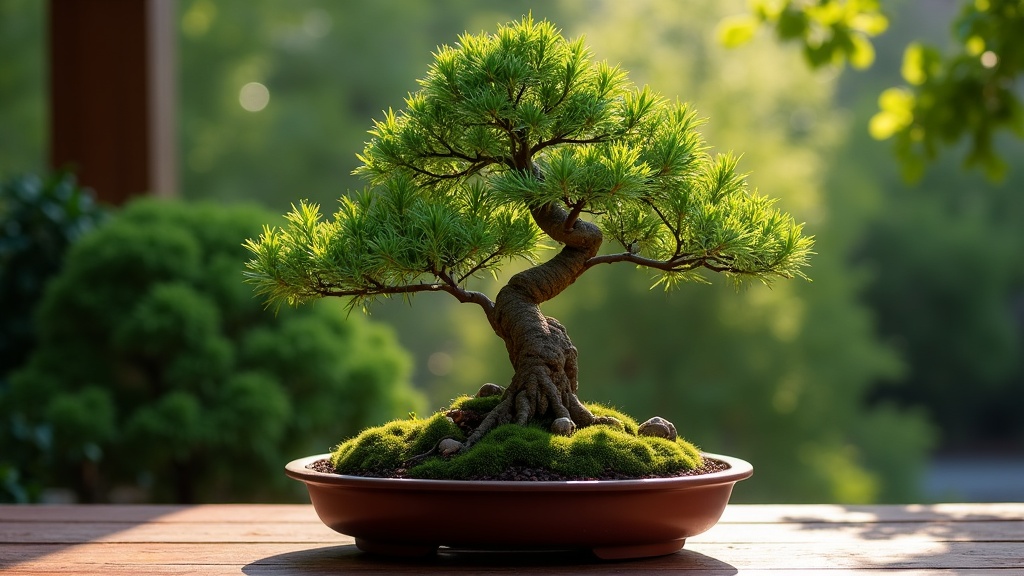
Growing a bonsai tree begins with understanding that you are not creating something unnatural — you are guiding a tree to express its essential character in miniature form. After twenty years of practice, I can tell you that the fundamental skills are simple: choosing a suitable species, providing proper light and water, and learning to observe what the tree shows you.
The art of bonsai asks for patience more than expertise. A beginner who waters mindfully and prunes with intention will succeed where someone chasing quick results will fail. Let me guide you through the foundational practices that will serve you for years to come.
Understanding What Bonsai Actually Means
Bonsai translates to “tree in a pot,” but this simple definition conceals a deeper truth. You are not stunting a tree or forcing it into an artificial shape. Instead, you are creating conditions where the tree expresses the same weathered character that ancient trees show in nature — the asymmetry, the sense of age, the way branches reach toward light.
This perspective matters because it changes how you approach every decision. Rather than imposing your will, you work with the tree’s natural growth patterns. A maple wants to branch in alternating patterns. A pine wants to grow in whorls. Your role is to recognize these tendencies and refine them.
Choosing Your First Bonsai Tree
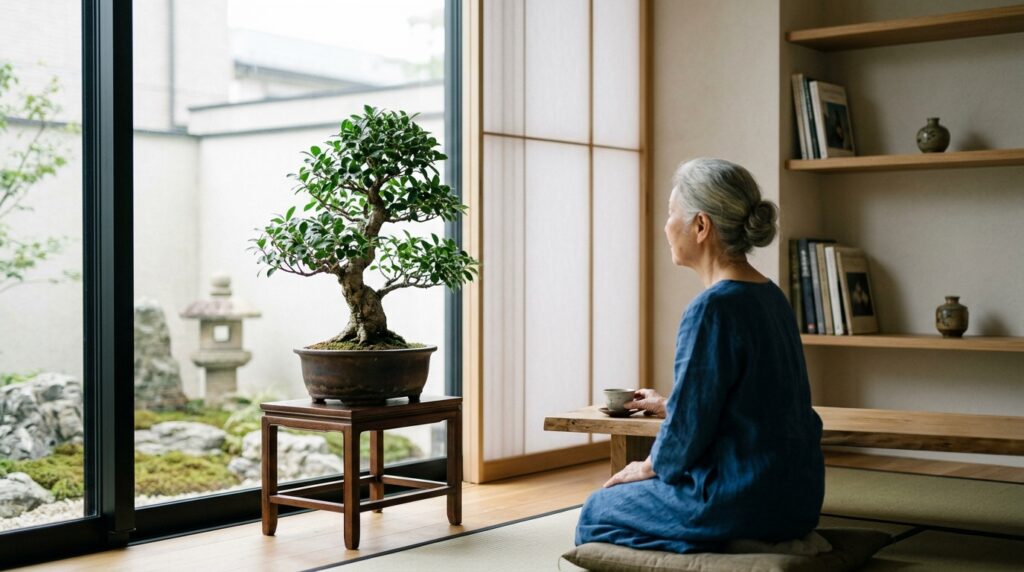
The most common mistake beginners make is starting with a tropical species kept indoors. While ficus bonsai trees can survive inside, most tree species require outdoor conditions to thrive. They need the seasonal temperature changes, the natural light cycles, and the dormancy period that winter provides.
For your first tree, I recommend starting with a species native to your climate zone. This immediately removes the complication of trying to recreate artificial conditions. If you live where winters are cold, consider Chinese elm, Japanese maple, or juniper. In warmer climates, look at bougainvillea, jade, or Brazilian rain tree.
Best Beginner Species by Climate
| Climate Zone | Recommended Species | Why It Works |
|---|---|---|
| Temperate (cold winters) | Chinese Elm, Japanese Maple, Juniper | Hardy, forgiving of beginner mistakes, dramatic seasonal changes |
| Subtropical | Ficus, Jade, Dwarf Schefflera | Can tolerate indoor conditions, fast growth shows results quickly |
| Mediterranean | Olive, Rosemary, Italian Cypress | Drought-tolerant, prefers the dry-wet cycle beginners naturally create |
| Tropical | Bougainvillea, Brazilian Rain Tree, Buttonwood | Constant growing season, responds quickly to training |
You can start from seed, but I do not recommend this for your first tree. Seeds take years to develop a trunk thick enough for bonsai styling. Instead, purchase bonsai starter trees or find nursery stock — young trees in one to five-gallon pots at garden centers. Nursery stock often has interesting trunk movement and established roots, giving you material to work with immediately.
Essential Bonsai Growing Requirements
Light: The Non-Negotiable Element
Trees create energy through photosynthesis, and bonsai trees require the same light intensity as their full-sized counterparts. This means outdoor placement for most species, where they receive at least six hours of direct sunlight daily. Even shade-loving species like Japanese maple need bright, filtered light throughout the day.
If you must keep a tree indoors, place it within one foot of a south-facing window (or north-facing in the Southern Hemisphere). Standard room lighting cannot substitute for sunlight. Consider supplementing with LED grow lights positioned six to twelve inches above the canopy, running fourteen hours per day.
Watering: Reading Your Tree’s Needs
Watering kills more bonsai than any other factor, usually through the well-intentioned mistake of watering on a schedule rather than when the tree needs it. Bonsai soil should move through wet-moist-dry cycles, never staying saturated and never drying completely.
Check soil moisture by touching the surface. When the top half-inch feels barely damp, water thoroughly until water runs from the drainage holes. In summer heat, this might mean twice daily. In winter dormancy, once per week. The tree tells you what it needs; you must simply pay attention.
Water quality matters more than beginners expect. Softened water contains salts that accumulate in soil. Heavily chlorinated water can damage fine feeder roots. If possible, use rainwater or allow tap water to sit overnight so chlorine dissipates.
Soil: Why Regular Potting Mix Fails
Bonsai soil differs fundamentally from potting soil. Standard mixes retain too much water in the shallow containers bonsai require, leading to root rot. Proper bonsai soil consists of inorganic particles that allow both water and air to reach roots.
A basic mix combines akadama (Japanese clay granules), pumice, and lava rock in roughly equal proportions. The particles create air spaces while retaining enough moisture. For beginners, purchasing pre-mixed bonsai soil removes the guesswork. As you gain experience, you will adjust ratios based on your climate and watering habits.
Basic Bonsai Training Techniques
Pruning: The Foundation of Shape
Pruning serves two purposes: maintaining the tree’s size and directing growth into desired areas. When you remove a growing tip, the tree responds by pushing energy into buds further back on the branch. This principle allows you to create dense, compact foliage.
Start by removing any branches that cross, grow straight down, or emerge directly opposite another branch. These create visual confusion and rarely contribute to the design. Then trim back new growth to one or two sets of leaves once it has extended several inches. Use sharp bonsai pruning shears to make clean cuts that heal quickly.
Timing matters. Most species accept pruning during the growing season, when they have energy to heal and redirect growth. Avoid heavy pruning during dormancy or the initial spring push, when the tree has committed resources to specific growth patterns.
Wiring: Guiding Branch Position
Training wire allows you to position branches and bend trunks while they remain flexible. Wrap aluminum bonsai wire at a 45-degree angle along the branch, then gently bend to the desired position. The wire holds the branch in place until it sets — usually three to six months.
This technique requires practice to apply correct tension. Too loose and the wire slides; too tight and it cuts into bark as the branch thickens. Check wired branches every two weeks during the growing season. Remove wire before it begins to bite into the bark, cutting it off in sections rather than unwinding.
Repotting: Refreshing Root Health
Bonsai roots eventually fill the container and exhaust the soil’s nutrients. Every two to three years, you must remove the tree, trim the roots, and replant in fresh soil. Young trees with vigorous growth need repotting more frequently than mature specimens.
Repot in early spring as buds begin to swell but before leaves emerge. Remove the tree from its bonsai pot, and use a root hook to gently comb out the outer roots. Trim the bottom third of the root mass and any thick roots growing in circles. Position the tree in the pot, secure it with wire, and work fresh soil between the roots.
Common Mistakes and How to Avoid Them
The desire to see rapid progress leads beginners to overwork their trees. Bonsai responds to subtle guidance accumulated over seasons, not dramatic interventions. If you find yourself working on the same tree every few days, you are likely doing too much.
Another frequent error is keeping outdoor species indoors. The labels “indoor bonsai” and “outdoor bonsai” do not describe different types of trees — they describe where specific species can survive. A juniper will slowly decline indoors no matter how carefully you tend it, because it requires winter dormancy to complete its growth cycle.
Finally, beginners often neglect to protect trees during temperature extremes. Even hardy species suffer when roots freeze solid in shallow pots. During winter, move containers against a building’s north wall (south wall in the Southern Hemisphere) or into an unheated garage when temperatures drop below 25°F (-4°C). In summer heat above 95°F (35°C), provide afternoon shade and increase watering frequency.
Developing Your Practice Over Time
I encourage you to start with a single tree and observe it through a complete year before adding more. Notice how growth patterns change with seasons. Learn to recognize when your specific tree needs water by the weight of its pot and the color of its leaves. Understand its response to pruning — how many weeks until new buds emerge, how strongly it backbuds.
This focused observation builds the intuition that techniques alone cannot provide. Books and guides offer principles, but your tree teaches you the specific reality of those principles in your climate, with your water, under your care. This relationship between practitioner and tree is what transforms bonsai from a hobby into a practice.
Consider keeping a simple journal noting when you water, when you prune, when you notice new growth. These records reveal patterns that help you anticipate needs. They also document your tree’s development, showing you progress that daily observation might miss.
Frequently Asked Questions
How long does it take to grow a bonsai tree from scratch?
A bonsai tree grown from seed requires seven to ten years before the trunk develops enough thickness for styling. Starting with nursery stock reduces this timeline to one to three years of development before you have a presentable tree. However, bonsai is not truly “finished” — it continues developing throughout its life, which may span decades or even centuries with proper care.
Can I keep my bonsai tree on my desk at work?
Only if you choose a tropical species that tolerates indoor conditions, and only if your desk is directly beside a window providing bright light. Most bonsai species require outdoor placement. Rather than compromising the tree’s health for convenience, consider creating a display area near a sunny window or on a balcony where the tree can thrive.
How often should I fertilize my bonsai tree?
During the growing season (spring through early fall), apply a balanced bonsai fertilizer every two weeks at half the recommended strength, or monthly at full strength. Reduce feeding to once per month in late fall, and stop entirely during winter dormancy. Recently repotted trees should not be fertilized for four to six weeks while roots establish.
What if my bonsai loses all its leaves?
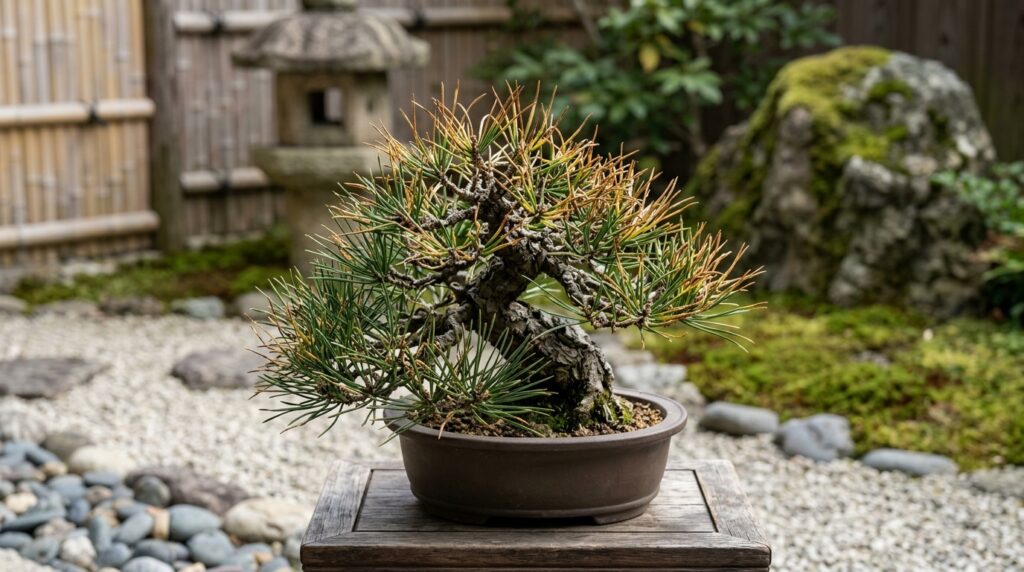
Leaf loss in deciduous species during fall is natural and expected. Leaf loss at other times indicates stress — usually from watering problems, root damage, or sudden environmental changes. If the branches remain flexible and show green when you gently scrape the bark, the tree may recover. Maintain proper watering, provide appropriate light, and avoid the temptation to fertilize or repot a stressed tree. Recovery may take several months.
Do I need expensive tools to start bonsai?
Essential tools for beginners include sharp pruning shears, training wire in several gauges, and a root hook for repotting. Quality tools make work easier and create cleaner cuts that heal better, but expensive specialized implements are not necessary in the beginning. As your skills develop and you understand which tasks you perform most often, invest in tools that suit your specific practice.