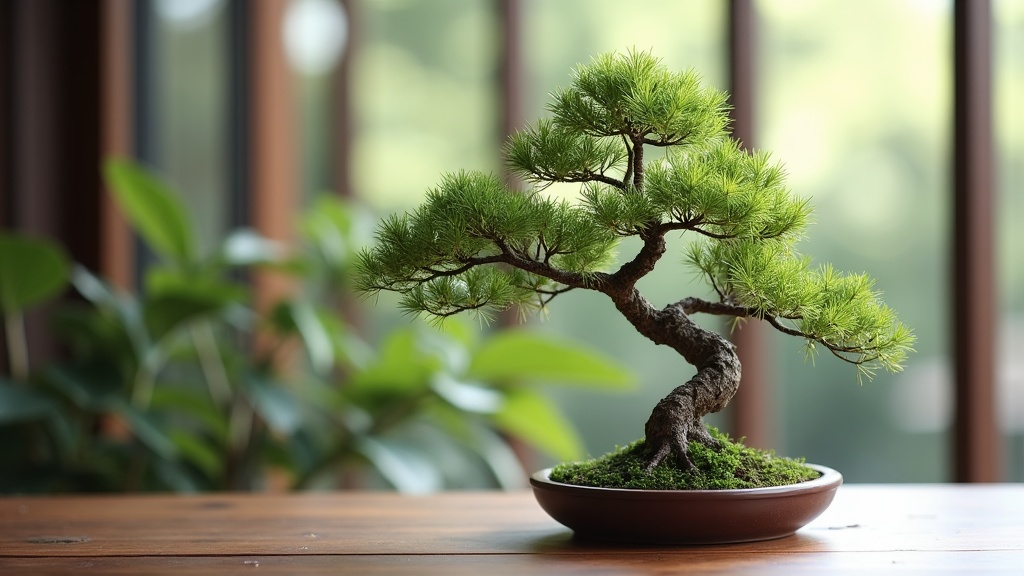
After two decades of working with bonsai, I’ve learned that the best indoor bonsai for beginners are Ficus retusa, Jade (Crassula ovata), and Chinese Elm (Ulmus parvifolia). These three species tolerate the lower light and stable temperatures of indoor environments while remaining forgiving enough for someone still learning the rhythms of watering and pruning.
The question isn’t just which tree survives indoors—it’s which tree teaches you patience while staying alive through your early mistakes. Let me share what I’ve observed works.
Why Indoor Bonsai Differ From Outdoor Varieties
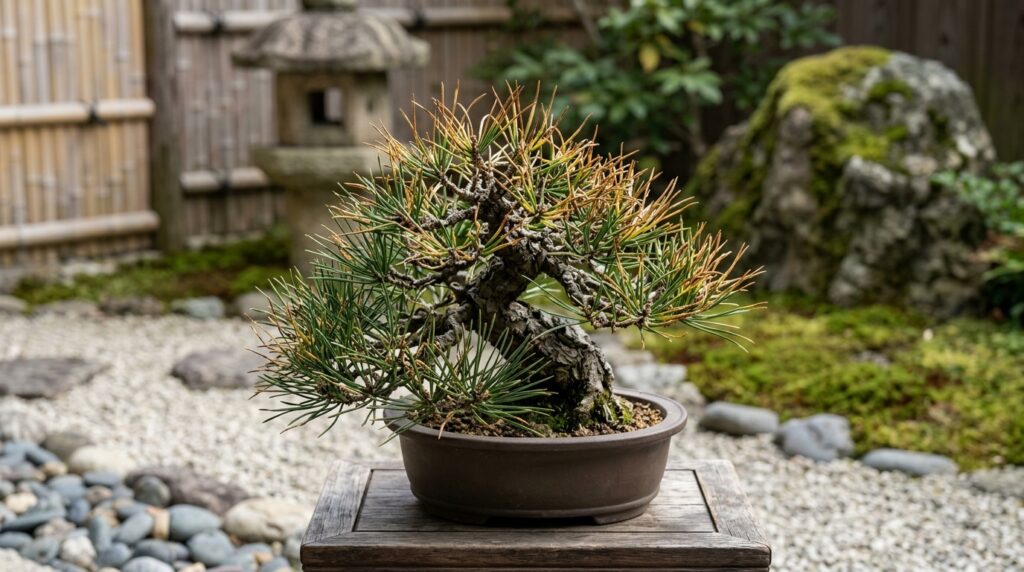
Most traditional bonsai are temperate-climate trees that require a winter dormancy period. When I trained in Osaka, we kept our Japanese maples, pines, and junipers outside year-round because they need the seasonal cold to remain healthy. Indoor heating disrupts this dormancy cycle and typically kills temperate species within a year or two.
True indoor bonsai are tropical or subtropical species that evolved in stable, warm environments. They don’t require dormancy, tolerate lower humidity than outdoor air provides, and can adapt to the reduced light levels inside a home. This fundamental difference shapes everything else about selecting and caring for an indoor tree.
The Three Best Species for Indoor Beginners
I recommend these species not because they’re trendy, but because they demonstrate consistent resilience across different home environments.
Ficus Retusa (Chinese Banyan)
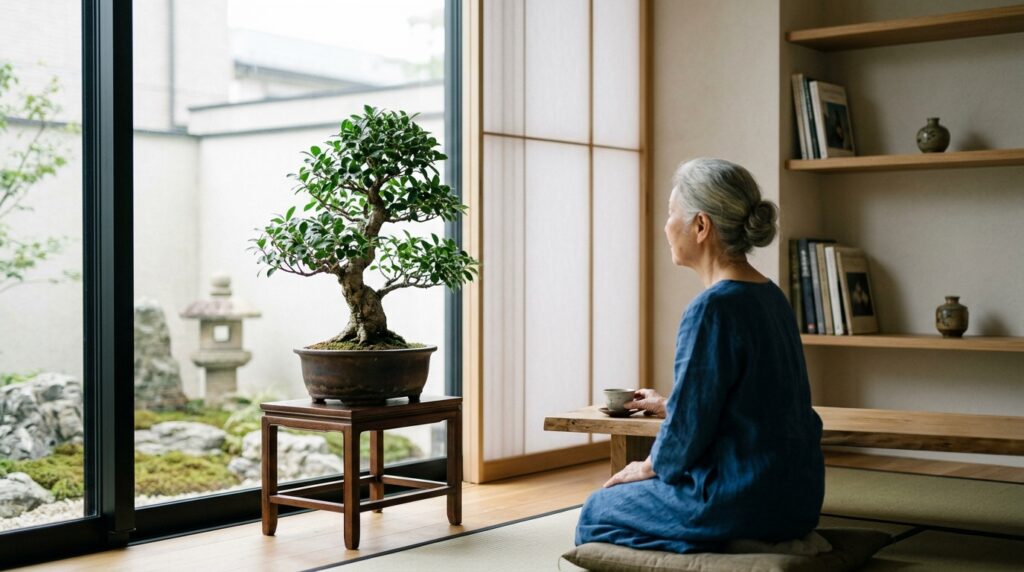
The Ficus bonsai tolerates low light better than most tropical species, recovers quickly from pruning mistakes, and develops aerial roots that add visual interest over time. In my experience, Ficus survives irregular watering better than most alternatives—it will drop leaves to protest, but rarely dies outright. The thick, waxy leaves signal water stress before damage becomes permanent.
Ficus grows actively year-round in warm indoor conditions, which means you see results from your care relatively quickly. This immediate feedback helps beginners learn cause and effect: prune here, new growth appears there within weeks.
Jade Plant (Crassula Ovata)
The Jade plant is technically a succulent, but its tree-like growth pattern and thick trunk make it ideal for bonsai training. Jade stores water in its leaves and stems, making it nearly impossible to kill through underwatering—the most common beginner mistake.
What I appreciate about Jade for teaching purposes is its slow, deliberate growth. It forces patience. You cannot rush a Jade bonsai, and that restraint is essential to understanding wabi-sabi—the acceptance of natural timing and imperfection.
Chinese Elm (Ulmus Parvifolia)
Chinese Elm occupies a middle ground: it can live indoors successfully but also tolerates outdoor conditions in temperate climates. The Chinese Elm bonsai develops fine branch ramification naturally, creating that classic bonsai silhouette without extensive wiring.
Chinese Elm does require more consistent care than Ficus or Jade—regular watering and adequate light—but it rewards that attention with rapid growth and excellent trunk thickening. If you have a bright south-facing window, Chinese Elm becomes an excellent choice.
Species Comparison: What to Expect
| Species | Light Needs | Watering | Growth Rate | Forgiveness |
|---|---|---|---|---|
| Ficus Retusa | Moderate to bright indirect | Weekly; tolerates drought | Fast | Very high |
| Jade Plant | Bright direct or indirect | Every 2-3 weeks | Slow | Extremely high |
| Chinese Elm | Bright indirect to direct | Every 2-3 days | Fast | Moderate |
What Indoor Conditions Actually Mean
When I tell students a tree needs “bright indirect light,” I mean a spot within 3-4 feet of a south or west-facing window, or directly in an east-facing window. Most indoor spaces without supplemental lighting provide what we’d classify as low to moderate light—enough for human comfort but marginal for most plants.
The stable temperature indoors (65-75°F year-round) suits tropical species perfectly. They don’t need the 40-50°F winter temperatures that temperate trees require. But indoor air is typically 30-40% relative humidity, while most tropicals evolved in 60-80% humidity. This gap explains why misting alone doesn’t help much—it raises humidity for minutes, not hours.
I keep my indoor bonsai on humidity trays filled with gravel and water. The pot sits above the water line, and evaporation creates a localized humid microclimate around the foliage. This passive system works far better than daily misting.
Core Care Principles for Indoor Bonsai
Light: The Non-Negotiable Requirement
Insufficient light is the primary reason indoor bonsai decline slowly over months. The tree survives on stored energy, producing progressively weaker growth—elongated stems, pale leaves, eventual leaf drop. By the time the problem becomes obvious, the tree is severely weakened.
If your brightest window still seems dim, consider LED grow lights designed for plants. A simple full-spectrum LED positioned 12-18 inches above the canopy, running 12-14 hours daily, transforms marginal light into adequate light. I’ve kept Ficus thriving in basement spaces this way.
Watering: Learning Your Tree’s Rhythm
Generic schedules fail because every environment differs—temperature, humidity, pot size, soil composition, and seasonal light changes all affect water consumption. Instead of watering on Monday and Thursday, learn to read the soil.
I check soil moisture by touching the surface and feeling slightly below. When the top half-inch feels barely damp rather than wet, it’s time to water. For Ficus and Chinese Elm, this prevents the soil from drying completely. For Jade, I wait until the soil is dry throughout before watering thoroughly.
Water until it flows freely from drainage holes, ensuring the entire root mass gets saturated. Shallow watering that only wets the surface causes roots to grow upward seeking moisture, weakening the tree’s foundation.
Soil: Why Bonsai Soil Isn’t Potting Soil
Standard potting soil retains too much moisture in the shallow bonsai pot, leading to root rot. Proper bonsai soil consists of inorganic particles—akadama, pumice, lava rock—that drain freely while retaining slight moisture.
This granular structure allows roots to access both water and oxygen simultaneously. Organic potting soil compacts over time, creating anaerobic conditions that kill feeder roots. If you’re starting with a nursery-stock tree in regular soil, repotting into proper bonsai mix should be your first spring project.
Common Mistakes I See Repeatedly
Buying a temperate species thinking it will adapt indoors. Japanese maples, junipers, and pines will not thrive inside permanently. They may survive one season, but they’re slowly dying without dormancy. If you want these species, commit to keeping them outdoors.
Placing the tree in a decorative spot rather than a bright spot. That empty corner or dining table centerpiece is chosen for aesthetics, not the tree’s needs. The brightest location in your home should determine placement, not your interior design.
Overwatering out of enthusiasm. Beginning students often water daily regardless of conditions, essentially drowning the roots. More plants die from too much water than too little. Let the soil partially dry between waterings.
Expecting rapid transformation. Bonsai training takes years, not months. A prebonsai seedling might need 5-10 years to develop significant trunk character. This isn’t a weekend project—it’s a practice that teaches you to think in seasons and years.
Getting Started: Your First 90 Days
Purchase a starter tree rather than attempting to grow from seed. Growing from seed takes 3-5 years just to reach the point where a starter tree begins. Indoor bonsai starter trees give you immediate material to learn on.
For your first three months, focus exclusively on keeping the tree alive and observing its behavior. Don’t prune, wire, or repot—just water appropriately and watch how it grows. Notice which areas produce strong growth, where leaves are largest, how quickly soil dries.
Keep a simple journal noting when you water and any observations about new growth or leaf color. After 90 days, you’ll understand your specific tree’s patterns. That knowledge informs every subsequent decision about pruning, feeding, and styling.
Start with basic tools: bonsai shears for trimming, aluminum wire for shaping, and a chopstick for checking soil moisture. Expensive tool sets are unnecessary until you’ve worked with bonsai for several years.
The Practice, Not the Destination
My teacher in Kyoto used to say that bonsai is not about creating the perfect tree—it’s about participating in the tree’s growth with intention and awareness. The tree will never be finished. There is always another growing season, another adjustment, another opportunity to refine.
This perspective—accepting imperfection, working with natural constraints, finding beauty in age and asymmetry—is wabi-sabi at its core. Your first tree will have flaws. You will make mistakes that take years to correct. The tree will grow in unexpected directions. All of this is part of the practice.
Start with a resilient species that tolerates your learning curve. Give it adequate light, water it when needed rather than on schedule, and spend time simply observing how it responds to its environment. The technical skills—wiring, pruning, repotting—develop naturally when you understand the living tree in front of you.
Frequently Asked Questions
Can any bonsai tree survive indoors year-round?
No—only tropical and subtropical species can live indoors permanently. Temperate species like Japanese maple, juniper, and pine require winter dormancy with cold temperatures (35-45°F) for 2-3 months annually. Without this cold period, they exhaust their stored energy and die. If you live in a climate with distinct seasons, these trees must stay outdoors year-round. Tropical species like Ficus, Jade, and Chinese Elm are the only reliable indoor options.
How often should I water my indoor bonsai?
Watering frequency depends on your specific conditions—temperature, humidity, pot size, soil type, and season all matter. Instead of following a schedule, check the soil daily by touching the surface and feeling slightly below. Water thoroughly when the top half-inch feels barely damp for Ficus and Chinese Elm, or completely dry for Jade. This might mean watering every 2-3 days in summer or once weekly in winter. Learning to read your tree’s needs is more important than following any generic schedule.
Do I need special grow lights, or is a bright window enough?
A south or west-facing window within 3-4 feet of the glass typically provides adequate light for Ficus and Jade. Chinese Elm prefers brighter conditions. If your brightest window is east-facing or partially shaded, or if the tree shows signs of insufficient light (elongated growth, pale leaves, leaf drop), add a full-spectrum LED grow light. Position it 12-18 inches above the tree, running 12-14 hours daily. Supplemental lighting is particularly helpful during winter when days are short.
When should I repot my indoor bonsai?
Repot in early spring just as new growth begins, typically every 2-3 years for young trees. Signs that repotting is needed include water draining slowly through the soil, roots circling the pot’s edge visibly, or reduced vigor despite proper care. During repotting, trim about one-third of the root mass, remove old soil, and replant in fresh bonsai soil mix. Never repot when the tree is stressed or during its active growing season, as this increases shock.
What’s the easiest indoor bonsai that tolerates low light?
Ficus retusa tolerates lower light better than most indoor bonsai species, though “low light” still means bright indirect light from a nearby window. No bonsai thrives in true low-light conditions like a north-facing room or interior space with no windows. If your space has genuinely low light, you must add grow lights for any bonsai to survive long-term. Jade plants also tolerate brief periods of lower light but need bright conditions to grow properly.