Yahoo Lifestyle Singapore recently highlighted the Pets & Plants Extravaganza, an event bringing together plant and animal care enthusiasts to share knowledge and celebrate the living beings we nurture. As someone who has spent two decades refining the art of bonsai, I find these gatherings valuable reminders that whether we care for trees, houseplants, or animals, we’re engaging in the same fundamental practice: patient observation and responsive care.
Events like the Pets & Plants Extravaganza signal a growing awareness that plant care and pet care share deeper connections than we might initially recognize. Both require us to slow down, read subtle signals, and respond with intention rather than habit. The techniques I learned in Osaka and Kyoto—observing seasonal changes, understanding water needs without measuring, recognizing stress before it becomes crisis—apply equally to the potted ficus on your windowsill as they do to my thirty-year-old Japanese maple.
What the Pets & Plants Extravaganza Teaches Us About Holistic Care
The Yahoo Lifestyle Singapore coverage of this event emphasizes something I’ve long believed: the best caretakers develop an intuitive relationship with living things. At events like these, you’ll find workshops on reading plant signals, understanding microclimates in your home, and creating environments where both pets and plants can thrive together. This isn’t about trendy plant parenthood or Instagram-worthy terrariums. It’s about cultivating genuine skill.
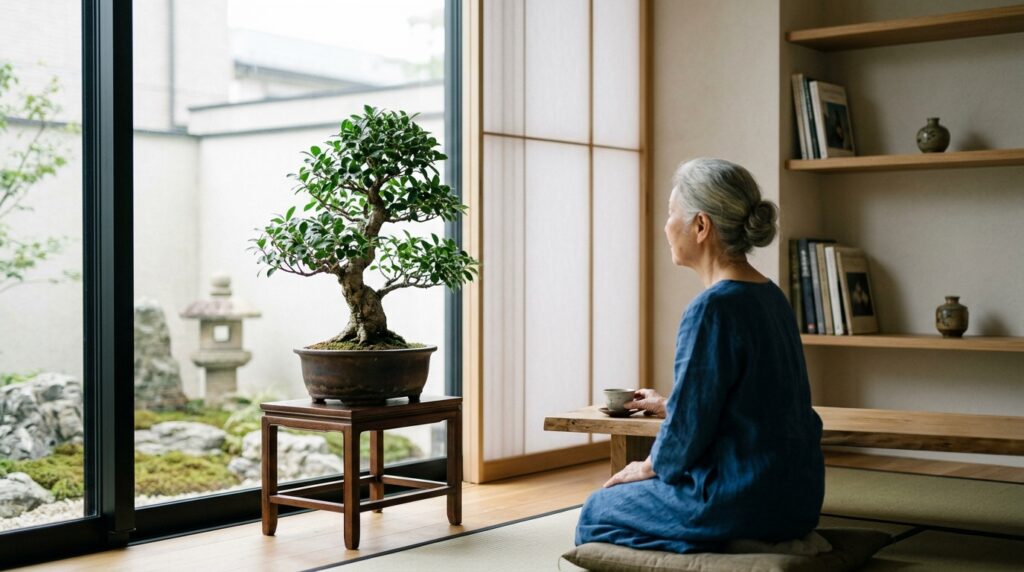
When I trained in Japan, my teacher would spend entire afternoons watching a single tree. Not working on it—watching it. He taught me that before you can shape a tree, you must understand its nature. The same principle applies to any living thing you choose to care for. Events that bring together plant and animal enthusiasts create opportunities for cross-pollination of these observation skills.
Core Lessons from Plant and Pet Care Events
Having attended similar gatherings over the years, I’ve noticed certain themes emerge consistently. These aren’t revolutionary concepts, but they bear repeating because they’re frequently overlooked in our rush to acquire rather than understand.
Understanding Environmental Needs
Both plants and pets communicate their environmental preferences constantly. A bonsai that leans toward the light isn’t being difficult—it’s telling you something. Similarly, workshops at events like the Extravaganza often focus on recognizing these subtle communications. For indoor plants, this means understanding the difference between bright indirect light and the harsh afternoon sun that will scorch sensitive foliage.
In my practice, I use humidity meters and light meters to verify what my intuition tells me. These simple tools remove guesswork when establishing a new plant in your space. They’re particularly valuable when you’re learning to translate knowledge from an expert environment (like a greenhouse at an exhibition) to your home conditions.
The Rhythm of Seasonal Adjustment
One aspect that events like the Pets & Plants Extravaganza help normalize is the seasonality of care. In Kyoto, we adjusted every aspect of bonsai care with the seasons—watering frequency, fertilizer strength, even the angle of display. Your houseplants require similar seasonal thinking, though the adjustments may be subtler.
Winter often brings lower light levels and slower growth. Many plant enthusiasts continue their spring and summer care routines, leading to overwatering and root rot. The same observation skills that help you recognize when your pet needs more or less activity apply here. A plant that’s barely growing in December doesn’t need the same watering schedule it required in June.
Practical Tools and Techniques for Plant Enthusiasts
Events showcasing plant care typically feature vendor areas with specialized tools. While I’m selective about equipment—too many tools can distance you from direct observation—certain items genuinely improve your ability to provide excellent care.
| Tool Category | Purpose | When It’s Essential |
|---|---|---|
| Moisture Meter | Measures soil moisture at root level, not just surface | Large pots, plants prone to root rot, learning phase |
| Humidity Gauge | Tracks ambient moisture for tropical species | Ferns, orchids, tropical bonsai, dry climates |
| Pruning Shears | Clean cuts that heal properly | Any plant requiring regular maintenance |
| Well-Draining Soil Components | Prevents waterlogging, encourages root health | Repotting any plant, especially succulents and bonsai |
| Quality Watering Can | Controlled, gentle water delivery | Delicate plants, seedlings, precise watering needs |
If you’re building your plant care toolkit, start with soil moisture meters and proper pruning shears. These two tools will teach you more about your plants than any book, because they’ll help you verify your observations and make precise interventions when needed.
Creating Multi-Species Environments
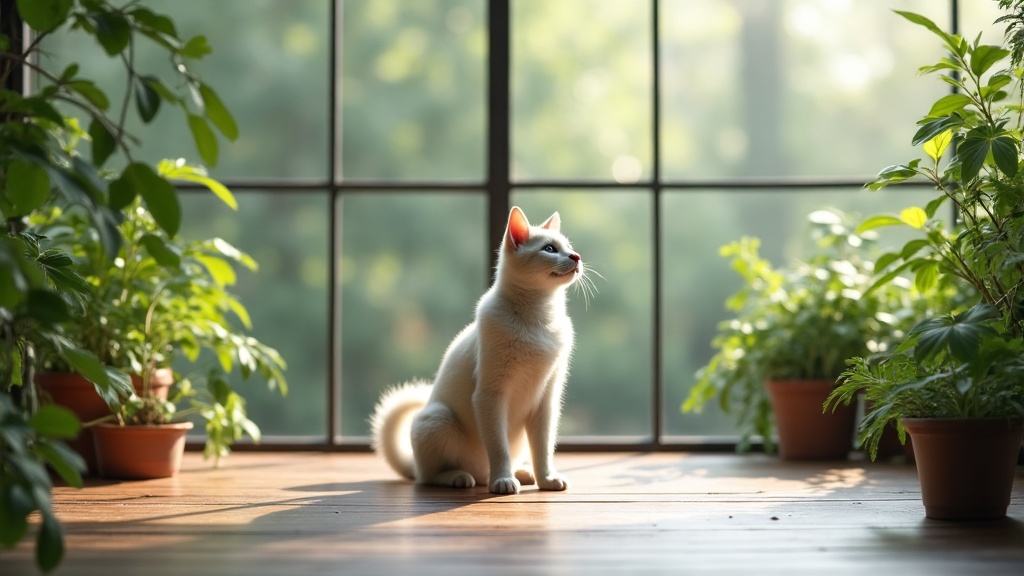
One interesting aspect of the Pets & Plants Extravaganza concept is the acknowledgment that many of us care for both plants and animals in shared spaces. This requires thoughtful planning. Some common houseplants are toxic to cats and dogs, while pets can inadvertently damage delicate plants through curiosity or play.
In my own space, I’ve learned to create clear zones. Elevated surfaces for sensitive bonsai, floor-level areas for pet-safe plants like spider plants or Boston ferns. Tall plant stands and hanging planters allow you to maintain a rich plant environment while keeping pets safe and plants undisturbed.
The Wabi-Sabi Perspective on Care
What draws me to events celebrating plant and animal care is their implicit recognition of wabi-sabi—the acceptance of imperfection and transience. Your ficus will drop leaves when conditions change. Your carefully shaped bonsai will occasionally grow in unexpected directions. This isn’t failure; it’s the nature of working with living things.
The Yahoo Lifestyle Singapore piece on the Extravaganza touches on this through its emphasis on learning and community. You don’t master plant care by reading a care guide and following it perfectly. You master it by developing a relationship with specific plants over time, making mistakes, observing outcomes, and adjusting your approach.
Building Observation Skills
My teacher in Osaka had a practice I’ve carried forward: daily observation rounds. Every morning, I walk through my collection, not to water or prune, but simply to notice. Has this leaf color changed? Is that branch angle shifting? Does the soil surface look different today?
This practice costs nothing and provides more information than any sensor. Over time, you develop pattern recognition. You’ll notice that your jade plant’s leaves become slightly wrinkled three days before it needs water, or that your Chinese elm’s new growth slows five days before you’d typically adjust fertilizer.
Events like the Extravaganza help beginners understand that these skills exist and are learnable. They’re not mystical plant whispering—they’re accumulated pattern recognition from consistent attention.
Connecting Traditional Knowledge with Modern Practice
The plant care principles I learned in Japan weren’t invented by my teachers. They were refined over generations of practitioners, each observing carefully and passing on what worked. Modern plant care events serve a similar function, but compressed into hours or days rather than lifetimes.
When you attend these gatherings, you’re accessing condensed knowledge from dozens of experienced growers. Someone will share their solution to thrips on orchids. Another will demonstrate their repotting technique for root-bound specimens. You’re participating in the same knowledge-sharing tradition that has always sustained cultivation practices.
Resources Worth Exploring
Beyond physical events, building your plant care knowledge benefits from quality reference materials. I keep a small library of books focused on specific plant families rather than general houseplant guides. The specificity matters. Understanding how ficus species generally behave doesn’t fully prepare you for the particular needs of ficus retusa versus ficus benjamina.
For hands-on learning, consider bonsai starter kits that include the basic tools and a young tree. The investment is modest, and the learning curve is immediate. You’ll quickly discover whether you have the patience for this practice, and you’ll develop skills—like recognizing water needs and understanding growth patterns—that transfer to all your plant care.
Translating Event Knowledge to Home Practice
The gap between attending an inspiring event and implementing what you’ve learned at home is where most enthusiasm fades. The Extravaganza environment—perfect lighting, expert demonstrators, controlled conditions—looks very different from your apartment in winter.
Start by documenting your current conditions before making changes. Take photos of your space at different times of day to understand your actual light levels. Measure your humidity (most homes are drier than you think). Note your current routine. This baseline lets you make one change at a time and observe the result clearly.
When I returned from training in Japan, I couldn’t replicate the climate or conditions of my teachers’ gardens. Instead, I adapted their principles to my environment. That’s your task as well—not to recreate the event or exhibition conditions, but to apply the underlying principles to your specific situation.
The Practice of Patient Adjustment
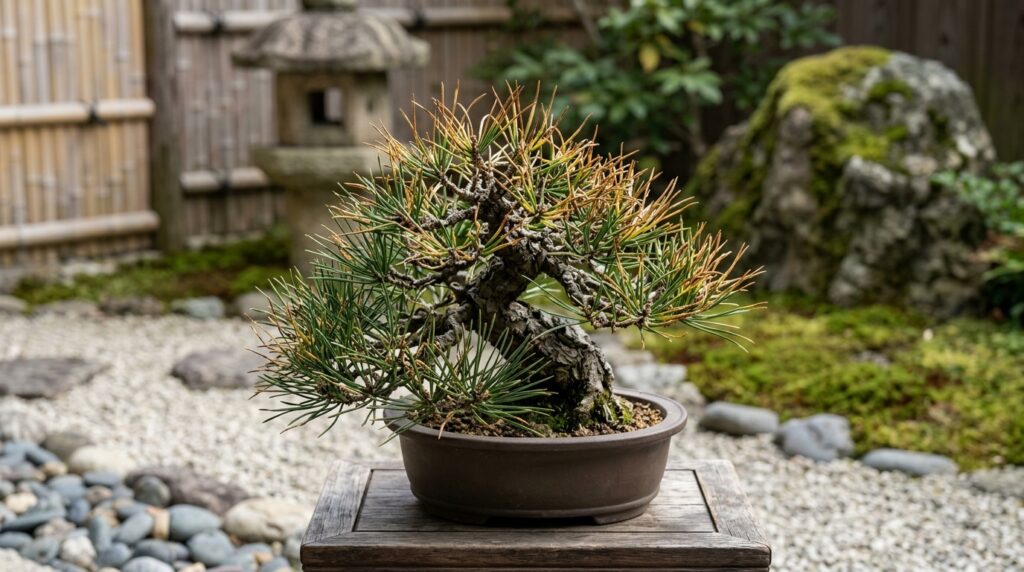
In bonsai, we talk about “reading the tree” before making any cut or adjustment. The same applies to implementing new plant care techniques. If you learn about bottom-watering at an event, don’t immediately convert your entire collection to this method. Try it with one or two plants. Observe for several weeks. Notice whether the results match the claims.
This methodical approach feels slow, but it builds reliable knowledge. After twenty years, I can confidently make decisions about my trees because I’ve observed the outcomes of specific actions repeatedly. You’re building the same database of experience, one observation at a time.
Common Questions About Plant Care Events and Practices
Are events like the Pets & Plants Extravaganza worth attending if I’m just starting with houseplants?
Yes, particularly because you don’t yet have ingrained habits to unlearn. You’ll be exposed to correct techniques from the beginning and can ask questions in person. The vendor areas also let you see and touch tools before purchasing, which is valuable when you’re not yet sure what you need. Look for events that include beginner workshops specifically—these provide more structured learning than wandering the exhibition hall alone.
How do I know if the plant care advice I receive at events is reliable?
Watch for practitioners who acknowledge variables. Anyone claiming “water your plants every X days” or “all succulents need Y conditions” is oversimplifying. Reliable experts will ask about your specific conditions—light levels, humidity, temperature ranges—before making recommendations. They’ll also freely admit when they’re sharing their experience rather than universal facts. Horticulture has some firm principles, but implementation always depends on your particular environment.
What’s the most common mistake people make after attending plant care events?
Buying more plants than they can properly observe and care for. The excitement of an event, surrounded by beautiful specimens and knowledgeable vendors, makes everything seem manageable. Then you arrive home with six new plants and realize you haven’t yet mastered caring for the three you already had. Resist the urge to acquire. If you must purchase, limit yourself to one new specimen per event, and focus on learning from that single addition before expanding further.
How can I apply wabi-sabi philosophy to my plant care practice?
Start by redefining what success looks like. A perfect plant—symmetrical, unblemished, growing exactly to plan—isn’t the goal. The goal is a healthy plant that shows character developed through its response to its environment. That includes the leaf scar from when your cat knocked it over, or the lean toward the window that reveals its light-seeking nature. These imperfections tell the plant’s story. In bonsai, we call this “movement” and actively cultivate it. In your houseplants, simply accept it rather than fighting to maintain showroom perfection.
What tools should I prioritize if I’m building a plant care kit after attending an event?
Start with diagnostic tools before treatment tools. A good 3-in-1 soil tester that measures moisture, pH, and light will teach you more than any fertilizer or growth hormone. Add quality pruning shears next, then a proper watering can with a narrow spout for controlled delivery. Only after you’ve used these basic tools for several months should you consider specialized equipment like grow lights or humidifiers. The fundamentals matter most, and expensive gear can’t compensate for inconsistent observation and care.