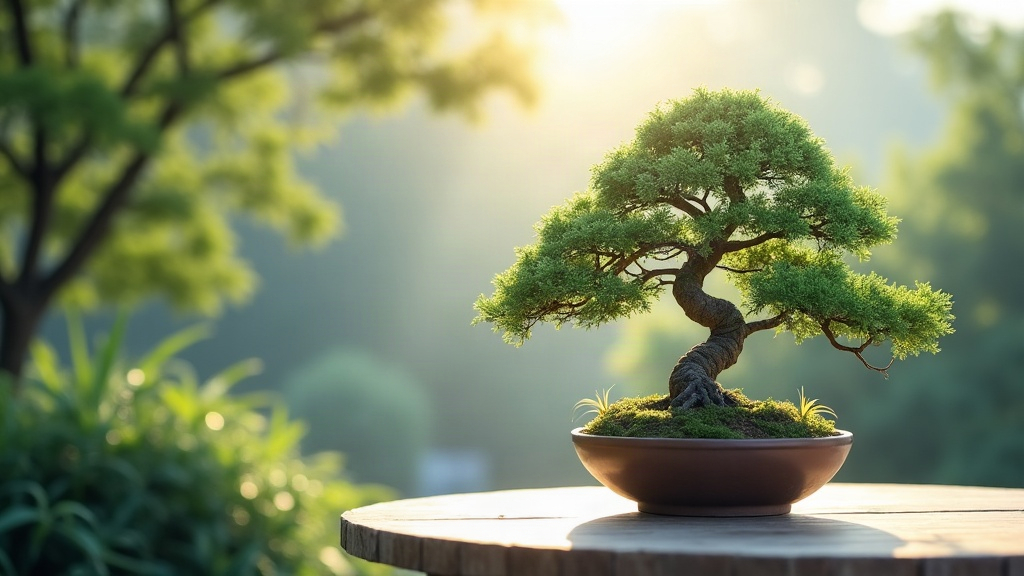
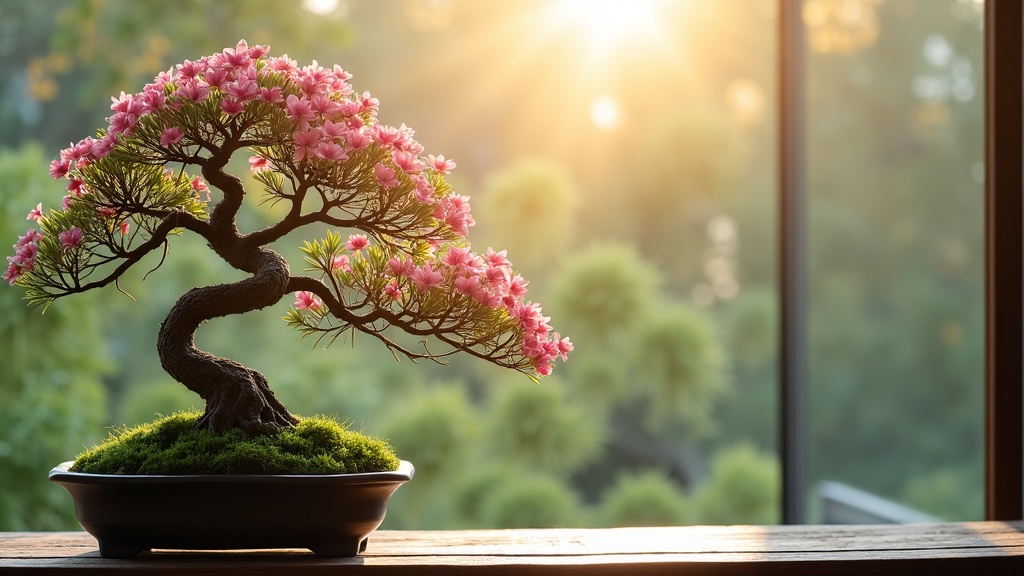
The Boise Flower & Garden Show brings spring to life in Idaho, and for bonsai practitioners, it’s one of the few chances each year to see quality specimens, rare cultivars, and connect with growers who understand the patient art. I’ve attended garden shows across three continents, and what makes regional shows like Boise valuable isn’t spectacle—it’s the opportunity to study trees adapted to your climate and learn from vendors who grow in conditions you’ll face at home.
Whether you’re looking to add to your collection or simply want to observe technique, the show offers a compressed education in what thrives in Idaho’s high-desert climate. Here’s what I watch for, what questions I ask, and how I approach these events after two decades of practice.
What Bonsai Enthusiasts Should Look for at Garden Shows
Garden shows attract a mix of vendors—some specialize in bonsai, others carry a few specimens alongside nursery stock. The real finds often sit at the edges of displays, tucked between showy flowering plants. I walk the entire floor before making any decisions, noting which vendors handle their trees with care and which ones water on schedule.
At the Boise show specifically, expect to see junipers, pines, and occasionally deciduous specimens like Japanese maple or cotoneaster. Idaho’s cold winters and dry summers favor hardy conifers, and knowledgeable vendors will stock species that survive local conditions without constant intervention. Look for juniper bonsai specimens with established root systems and compact growth—these adapt well to zone 5-6 gardens.
Signs of Quality Stock
I examine three things before considering a purchase: nebari (surface root structure), trunk movement, and branch ramification. A quality bonsai shows visible surface roots radiating evenly from the trunk base. The trunk should have taper—thicker at the base, narrowing toward the apex—and some character through curves or aged bark texture. Branch structure reveals the vendor’s skill: well-developed bonsai have secondary and tertiary branching, not just thick primary branches.
Ask when the tree was last repotted and what soil mix they use. Vendors who can answer specifically (“repotted spring 2024, 40% pumice, 30% lava rock, 30% akadama”) understand their craft. Vague answers suggest nursery stock hastily potted for the show.
Comparing Show Purchases: What’s Worth Your Investment
Garden shows offer everything from $30 mall-quality specimens to $500+ established trees. Understanding where to invest matters, especially if you’re building a collection or working on your first serious tree.
| Purchase Type | Price Range | Best For | What to Expect |
|---|---|---|---|
| Starter/Mall Bonsai | $20-$50 | Learning basic care, practice wiring | Young material, minimal styling, generic pot, limited nebari |
| Pre-Bonsai Material | $50-$150 | Multi-year development projects | Good trunk character, needs branch development, training pot |
| Intermediate Bonsai | $150-$400 | Display-quality with refinement work ahead | Established nebari, good branch structure, quality pot, 8-15 years development |
| Specimen/Exhibition | $400+ | Serious collectors, show display | Refined styling, mature character, excellent nebari, signed pot, 15+ years |
I recommend intermediate-level material for practitioners with 2-3 years experience. You can see the design immediately, refinement work teaches advanced technique, and you’re not risking a $600 tree while learning to wire. The bonsai wire sets you’ll need for styling are modest investments compared to the tree itself.
Questions to Ask Vendors Before Buying
Conversation with the vendor tells you as much as examining the tree. I ask about winter hardiness first—Idaho’s temperature swings challenge many species that thrive in milder climates. A vendor who knows their stock will specify minimum temperature tolerance and whether the tree needs winter protection.
Other essential questions include:
- What’s the repotting schedule for this species? Younger trees need annual repotting; mature specimens may go 3-5 years. This tells you maintenance commitment.
- How do you handle this in winter? Some junipers tolerate full exposure; others need cold frames. Misunderstanding winter care kills more bonsai in Idaho than any other factor.
- What’s the watering frequency in summer? Desert climates demand different schedules than Pacific Northwest humidity. Vendors selling at Boise should understand local conditions.
- Has this been styled, or is it nursery stock? No judgment either way, but price should reflect development level. Don’t pay bonsai prices for material that needs 5 years of basic training.
If the vendor can’t answer or seems uncertain, walk away. Bonsai require species-specific care, and guessing leads to dead trees.
Transitioning Show Trees to Your Home Environment
The week after a show is critical. Trees experience stress from transport, lighting changes, and different watering schedules. I place new acquisitions in partial shade for 7-10 days, regardless of the species’ eventual light requirements. This acclimation period lets the tree adjust without the added stress of full sun exposure.
Check soil moisture daily but don’t overwater from anxiety. Push your finger into the soil to the first knuckle—if it’s damp, wait. Show vendors often water heavily before events, and adding more water to already-saturated soil suffocates roots. I’ve seen more bonsai die from kindness (overwatering) than neglect.
Repotting Considerations
Don’t repot immediately after purchase unless you see obvious problems—circling roots, compacted soil, or severe pot-bound conditions. Spring is the natural repotting window for most species, typically March-April in Boise’s climate. If you buy at the show in late winter, you might schedule repotting for the following spring unless the tree shows distress.
When you do repot, invest in proper bonsai soil components rather than garden center potting mix. The inorganic mix of pumice, lava rock, and akadama provides the drainage bonsai roots need, especially in Idaho where summer heat can cook organic-heavy soils.
Beyond Bonsai: What Else the Show Offers
While bonsai draws my focus, the Boise Flower & Garden Show presents orchids, succulents, native plants, and gardening tools worth examining. Orchid vendors often carry species adapted to indoor conditions similar to what bonsai need during winter—understanding their humidity and light requirements translates across plant types.
I watch demonstration areas for pruning and wiring technique. Even if the demonstrator works on garden shrubs rather than bonsai, the principles of branch selection and structural balance apply. Some of my best learning at regional shows came from watching rosarians prune—their understanding of growth patterns and vigor management mirrors bonsai practice.
Tools and Supplies
Garden shows stock tools you won’t find at big-box stores. Look for concave cutters, knob cutters, and root hooks—the specialized implements that make bonsai work precise rather than destructive. Test the tool action before buying; smooth, sharp cuts indicate quality manufacturing. Cheap tools crush rather than cut, creating wounds that heal slowly or invite disease.
Quality bonsai pruning tools cost more upfront but last decades with proper care. I still use shears I bought in Kyoto fifteen years ago—the initial expense divided across thousands of cuts amounts to pennies per use.
Preparing Your Questions in Advance
Garden shows move quickly, and vendors juggle multiple conversations. I arrive with written questions about specific species I’m considering. This preparation respects their time and ensures I gather the information needed for good decisions.
For bonsai specifically, my standard question list includes:
- Minimum winter temperature tolerance
- Preferred sun exposure (morning, afternoon, full, partial)
- Summer watering frequency in hot, dry climates
- Fertilizer type and schedule
- Common pest or disease issues for the species
- Last repotting date and next recommended timing
- Any styling work planned or recommended
Taking notes on your phone or a small notebook helps when you’re comparing multiple vendors. Details blur after visiting 20 booths; written records let you make considered choices rather than impulse purchases.
The Value of Observation Without Purchase
Not every show visit needs to end with a purchase. Some of my most valuable show experiences involved simply observing—noting how professionals style certain species, what pot shapes they choose for different trunk types, how they position trees for maximum visual impact.
Photography helps if vendors permit it. I photograph interesting nebari, unusual branch arrangements, or creative solutions to common problems (like styling a tree with a damaged apex or incorporating deadwood features). These become reference material for my own work.
The wabi-sabi philosophy I learned in Japan emphasizes patient observation. Rushing to acquire diminishes understanding. Sometimes the lesson is recognizing what you don’t yet know—which species you need to research more, which techniques you should practice on less valuable material before attempting on a prize specimen.
Frequently Asked Questions
Should I buy bonsai at a garden show or from a specialized nursery?
Both have advantages. Shows offer variety and the chance to compare multiple vendors in one visit. You’ll see different styling approaches and price points side by side. Specialized nurseries provide ongoing support, more detailed care information, and often accept trees back for seasonal care or styling services. For beginners, I recommend starting with a local specialist who can guide your learning. Once you understand basic care, shows become hunting grounds for specific species or unique specimens.
How do I transport a bonsai safely from the show to my home?
Secure the pot so it can’t tip or slide—I use a cardboard box with crumpled newspaper packed around the base. In cold weather, pre-warm your vehicle; sudden temperature drops shock the tree. Don’t leave trees in a hot car while you continue shopping—even 20 minutes in an enclosed vehicle on a warm day can cook delicate foliage. If you’re traveling more than an hour, lightly mist the foliage before leaving and crack windows for air circulation without creating damaging wind.
What’s the best bonsai species for someone attending their first Boise show?
Chinese juniper or Rocky Mountain juniper handle Idaho’s climate well and forgive beginner mistakes. They tolerate cold winters without protection (once established), bounce back from improper pruning, and show you clearly when they need water—foliage dulls slightly when dry. Avoid tropicals like ficus unless you have a climate-controlled indoor space with grow lights. Starting with a species suited to your environment builds confidence before tackling more challenging material.
Can I bring my own bonsai to the show for advice or evaluation?
Many shows offer evaluation sessions or “bring your tree” consulting areas. Check the Boise show schedule for specific times. Vendors at booths may offer quick advice, but expect detailed consultation to require appointment or fee. Bring photos showing the tree in different seasons if possible—this helps experienced practitioners assess vigor and identify care issues that manifest over time rather than in a single snapshot.
What should I budget for a quality bonsai at a garden show?
For a true intermediate-level bonsai with display potential, budget $150-$250. This range gets you established nebari, good trunk character, and several years of professional development already invested. Add another $50-$100 for a quality pot if the tree comes in a training container, plus basic tools if you’re just starting. The total investment of $300-$400 provides everything needed to continue developing a serious specimen. Spending less usually means buying potential rather than refinement—which is fine if you understand the multi-year commitment ahead.