I see this mistake in beginners because bonsai invites action before it teaches patience.
Most bonsai need light pruning every few weeks during the active growing season and more
deliberate structural pruning once a year or once every couple of years, depending on the
species, age, and design goals. In practice, bonsai pruning is not on one fixed calendar.
It is a cycle of watching the tree, trimming new growth to maintain shape, and making larger
cuts only when the tree is healthy enough to handle them.
If you are new to bonsai, the simplest rule is this: prune small, fresh growth often, and
prune major branches rarely. That distinction matters because routine maintenance keeps a tree
compact, while structural work changes the actual design of the bonsai and puts much more
stress on the plant.
The Two Types of Bonsai Pruning
Bonsai care becomes easier when you separate pruning into two categories.
1. Maintenance pruning
Maintenance pruning is the regular trimming of shoots, leaves, and small twigs to preserve
the silhouette of the tree. This is the kind of pruning most bonsai owners do most often. For
many species, that means checking the tree every one to three weeks in spring and summer and
trimming back long extensions before they make the canopy look loose or overgrown.
2. Structural pruning
Structural pruning involves removing or shortening thicker branches to improve taper,
branching, balance, and overall design. This is usually done much less often, often annually
or even less frequently. Because these cuts are more significant, timing is more important and
should match the tree’s vigor and seasonal growth pattern.
How Often to Prune During the Year
Spring
Spring is usually the busiest pruning season. Many bonsai push strong new growth at this time,
so maintenance pruning may be needed every couple of weeks. If a branch shoots far beyond the
intended outline, pinch or cut it back to maintain the tree’s proportions. For many deciduous
trees and some tropical species, spring is when you will do the most frequent touch-up work.
Summer
Summer often continues the maintenance cycle, though the pace depends on heat, watering, and
species. Fast growers may still need attention every two to four weeks. During very hot
weather, avoid aggressive pruning on stressed trees. A healthy bonsai can usually handle light
trimming, but a weak tree should be left alone until it recovers.
Autumn
Growth usually slows in autumn, so pruning becomes less frequent. This is a good time to tidy
the silhouette, remove obviously unwanted shoots, and assess the branch structure after a full
season of growth. Major cuts are often reduced at this point unless the species and climate
make autumn work appropriate.
Winter
Winter is generally the quietest season for routine pruning, especially for deciduous bonsai
in dormancy. However, it can be a useful time for structural assessment because the bare
branch framework is easy to see. Some species tolerate structural pruning well during dormancy,
while others do better with major work at different times of year. The key is to avoid making
heavy cuts just because the calendar says so.
Species Make a Big Difference
There is no universal pruning schedule for all bonsai. A vigorous Chinese elm or ficus may
need frequent trimming, while a slower-growing juniper or pine may need a more restrained
approach. Flowering bonsai also require extra thought because pruning at the wrong time can
remove buds and reduce blooms.
In broad terms:
- Fast-growing deciduous trees often need maintenance pruning every 1 to 3 weeks in peak growth.
- Tropical bonsai may need repeated trimming throughout warm months or year-round indoors under strong conditions.
- Conifers are usually pruned more selectively and often should not be treated like fast-growing broadleaf trees.
- Flowering and fruiting bonsai should be pruned with their blooming and fruiting cycle in mind.
When in doubt, learn the pattern of your specific tree rather than following generic advice
too literally.
Signs Your Bonsai Needs Pruning
Instead of asking only how often to prune, it is smarter to ask what the tree is telling you.
Your bonsai probably needs maintenance pruning when you notice any of the following:
- New shoots extending well beyond the intended outline.
- Dense foliage blocking light and airflow inside the canopy.
- Long internodes that make the tree look leggy.
- Crossing, downward-growing, or obviously misplaced small shoots.
- A silhouette that has lost the compact shape you are trying to maintain.
Structural pruning is worth considering when a branch is too thick for its position, ruins the
design line, creates crowding, or prevents the bonsai from developing better taper and branch
placement over time.
How Much Is Too Much?
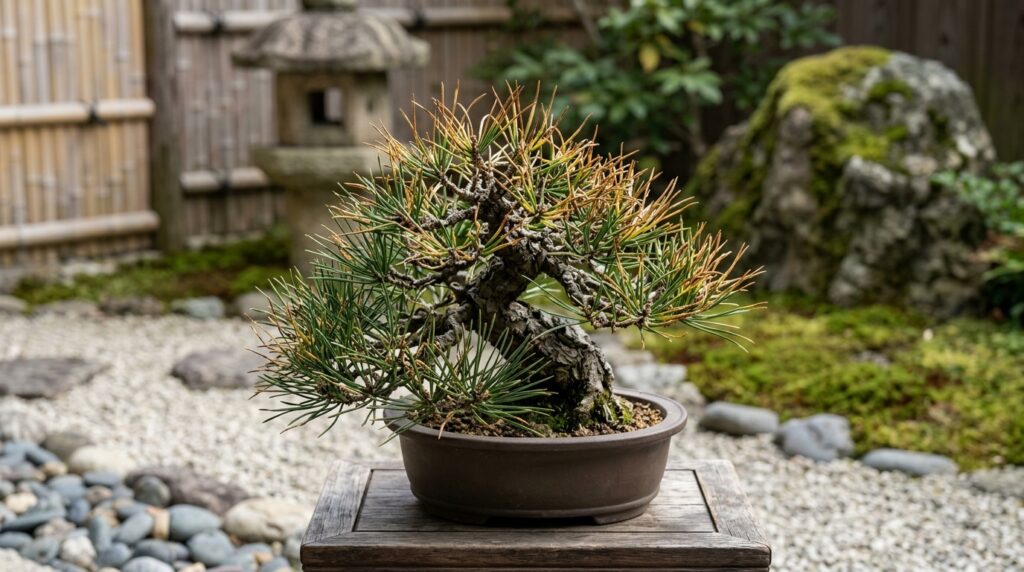
Over-pruning is one of the most common beginner mistakes. A bonsai is a tree in a small pot,
which means it has limited reserves compared with a landscape plant. Removing too much foliage
or too many branches at once can weaken the tree, slow recovery, and sometimes cause dieback.
As a general approach, light and regular pruning is safer than dramatic, repeated cutting.
Always consider the overall health of the bonsai first. If it is weak, recently repotted,
pest-damaged, or struggling with heat or watering issues, postpone nonessential pruning.
A Practical Schedule for Beginners
If you want an easy starting rhythm, use this simple routine:
- Inspect your bonsai once a week during active growth.
- Do light maintenance pruning whenever shoots clearly extend beyond the intended shape.
- Plan major structural pruning separately, usually no more than once a year for a healthy tree.
- Adjust based on species, season, and tree strength.
That schedule helps you stay attentive without cutting on autopilot.
Final Answer
Most bonsai need light pruning every few weeks while they are actively growing, but major
structural pruning is usually done only occasionally, often once a year or less. The real
answer depends on the species and the tree’s health. Watch for long shoots, lost shape, and
excessive density, and let the tree’s growth pattern determine the timing rather than relying
on a rigid calendar.
What makes bonsai difficult for beginners is that the tree rarely punishes impatience immediately. A beginner can wire too soon, prune too hard, repot at the wrong moment, and still feel successful for a few weeks. The tree often answers later, with weak growth, poor recovery, or a gradual decline that feels mysterious only because the earlier stress was forgotten.
That is why I teach beginners to treat bonsai less like a series of tasks and more like a conversation with a living thing. Before shaping, ask whether the tree is vigorous enough. Before pruning, ask whether the season supports recovery. Before changing several things at once, ask whether you will still understand the result afterward. Those questions slow you down, but they also keep you from making the kind of mistake that costs a year of progress.
Many bonsai beginners also confuse visible activity with meaningful progress. Wiring, pruning, repotting, and styling feel productive, while observation feels passive. In practice, observation is often the more advanced skill. When you notice how a species extends, where buds appear, how quickly soil dries, and how the tree responds to minor adjustments, your later work becomes much more precise.
I also think beginners benefit from keeping one simple rule: do not ask a weak tree to teach you advanced technique. If a tree is struggling with water balance, poor light, or poor root health, styling it harder rarely improves anything. Restoring strength first is not hesitation. It is sound bonsai practice.
The encouraging part is that this mistake is fixable. Most beginners do too much because they care. Once that energy is redirected into observation, timing, and restraint, progress becomes steadier and the tree begins to look more convincing with less force.
How I Judge Whether to Stop
If I start wondering whether one more cut will make the silhouette cleaner, that is usually the moment I slow down and reassess vigor, not the moment I keep cutting. A tree can recover from an imperfect branch more easily than it can recover from repeated unnecessary pruning.
I also look at how much of the work was structural versus cosmetic. Once the important structural cuts are made, the safest move is often to leave the smaller refinements for another session after the tree has had time to answer the first round of work.
That patience is not hesitation. It is one of the habits that keeps bonsai from being pushed past what the tree can comfortably sustain.