I see this mistake in beginners because bonsai invites action before it teaches patience.
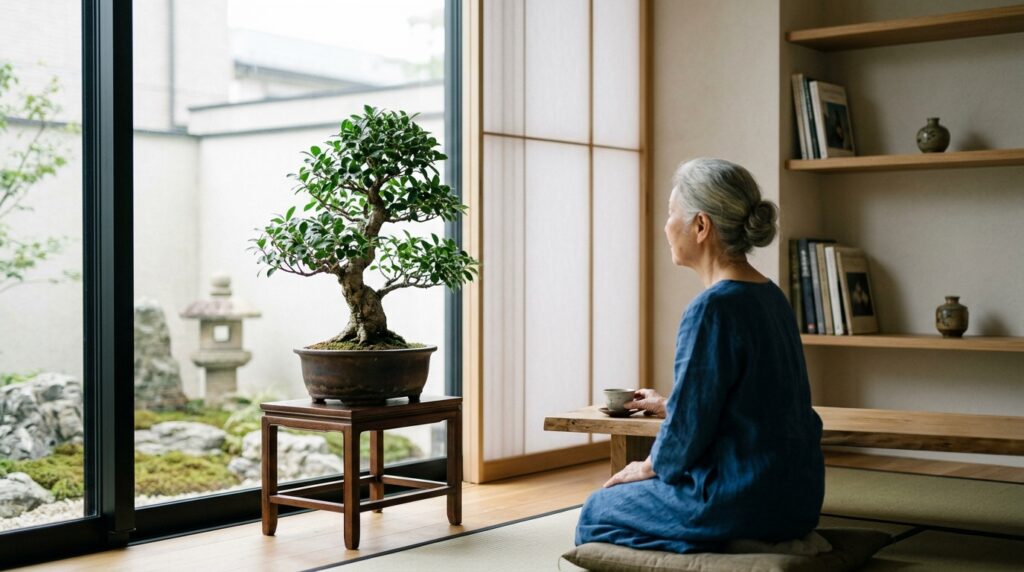
The best place for a bonsai tree in your home is usually near a bright window where it gets plenty of natural light,
stable temperatures, and good airflow without harsh drafts. While bonsai are often treated like decorative accents,
they are still living trees with specific environmental needs. Choosing the right spot can make the difference between
a thriving bonsai and one that slowly declines indoors.
Start With Light First
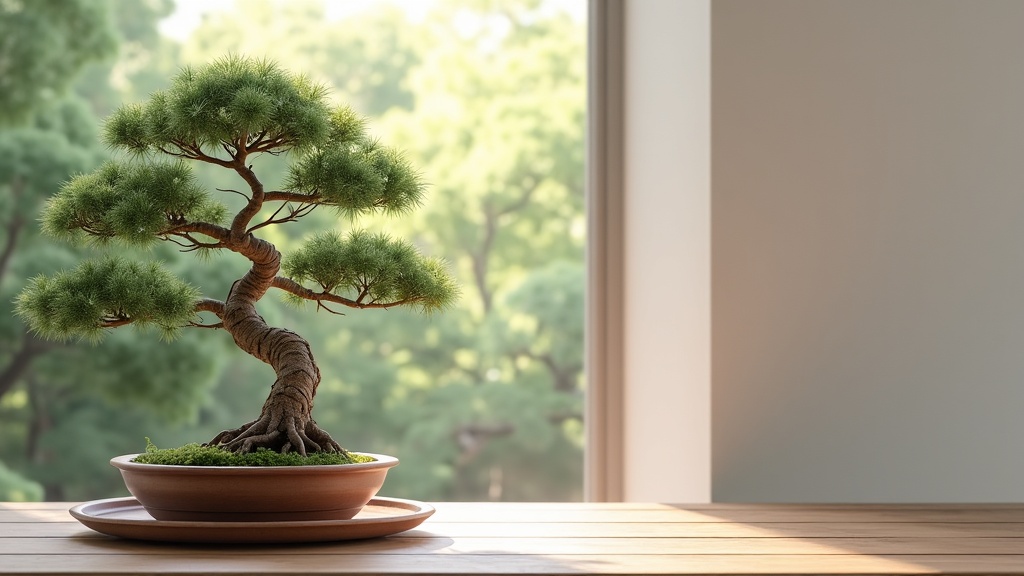
Light is the most important factor when deciding where to place a bonsai. Most bonsai need strong, indirect light or
several hours of direct morning sun. A south-facing or east-facing window is often the best choice indoors because it
provides consistent brightness without exposing the tree to the harshest late-day heat.
If the space feels dim to you, it is probably too dim for a bonsai over the long term. Trees placed on coffee tables,
bookshelves, or in the middle of a room may look attractive, but they usually do not receive enough light to stay healthy.
If your home has limited natural light, a grow light can help supplement what the tree is missing.
Know Whether Your Bonsai Is Indoor or Outdoor
One of the most common mistakes is assuming all bonsai belong inside. In reality, many bonsai species are outdoor trees
that need seasonal changes, fresh air, and winter dormancy. Juniper, pine, maple, and many other traditional bonsai species
generally do better outdoors year-round or for most of the year.
True indoor bonsai are usually tropical or subtropical species such as ficus, jade, or Hawaiian umbrella tree. These are
the varieties most likely to adapt well to life inside a home. Before choosing a location, identify your bonsai species so
you can match the placement to its real needs rather than treating it like general house decor.
Choose a Spot With Stable Temperatures
Bonsai prefer consistency. Place your tree in an area where the temperature stays relatively steady throughout the day and
night. Avoid putting it directly next to heating vents, radiators, fireplaces, air conditioners, or frequently opened doors.
Sudden swings in temperature can stress the plant, dry out the soil faster, and weaken growth.
A bright window is ideal, but make sure the leaves are not pressed against cold glass in winter or trapped against overheated
glass in summer. A little distance from the pane often helps create a more balanced environment.
Protect It From Drafts and Dry Air
Indoor air can be much drier than what many bonsai species prefer, especially during winter when heating systems are running.
Dry air can cause browning leaf tips, weak growth, or increased vulnerability to pests. Keep the bonsai away from direct blasts
of hot or cold air and consider raising humidity around it if your home is very dry.
A humidity tray placed beneath the bonsai pot can help slightly, and grouping plants together may improve the local environment.
Even so, humidity is secondary to light and correct watering, so do not choose a dark bathroom or a low-light corner just because
it feels more humid.
Pick a Place You Can Monitor Easily
The right placement is not only about the tree’s comfort. It should also be a place where you will notice the bonsai every day.
Bonsai need regular observation because their small pots dry out faster than standard houseplants. If the tree is tucked into a
guest room or displayed somewhere you rarely pass by, it becomes easy to miss watering needs, pest problems, or changes in leaf color.
A good location is one that lets you admire the tree while also making daily care convenient. Near a kitchen window, home office desk,
or bright living room window can work well if the light and temperature are suitable.
Best Rooms for a Bonsai
In many homes, the best room is the one with the strongest natural light. Living rooms with large windows, sunrooms, and bright home offices
are often strong choices. Kitchens can also work if the bonsai is not too close to heat sources or cooking fumes.
Bedrooms can be fine if they are bright enough, but dark hallways, windowless bathrooms, and interior shelves are usually poor locations.
A bonsai should never be treated as a low-light accessory. It needs the same thoughtful placement you would give any valuable living plant.
Rotate With Care
If light comes mainly from one direction, the bonsai may begin to lean or grow unevenly. Rotating the pot occasionally can help maintain balanced
growth. However, avoid constant repositioning from room to room. Bonsai respond best when their conditions remain predictable.
Signs the Placement Is Wrong
Your bonsai may be in the wrong spot if it starts dropping leaves, developing long weak growth, staying constantly soggy because the soil never dries,
or drying out too quickly from excess heat. Pale foliage, poor vigor, and repeated pest issues can also suggest that light, airflow, or humidity are off.
When that happens, reassess the location before assuming the problem is only watering.
Final Answer
Place your bonsai in the brightest spot in your home that offers steady temperatures, decent airflow, and protection from strong drafts and heat vents.
For most indoor bonsai, that means a position close to an east-facing or south-facing window. Most importantly, make sure the species you own is actually
suited to indoor living. Once the tree is in the right place, consistent watering and observation become much easier, and your bonsai has a far better
chance to stay healthy and beautiful.
What I Pay Attention to First
- How much foliage and stored energy the tree can realistically afford to lose right now.
- Whether the species is in the right seasonal window for the kind of pruning you want to do.
- Which branches are being reduced for structure versus which ones you are touching only out of impatience.
- Whether aftercare conditions are stable enough to support recovery once the work is finished.
That sequence keeps pruning tied to horticultural reality instead of turning it into guesswork.
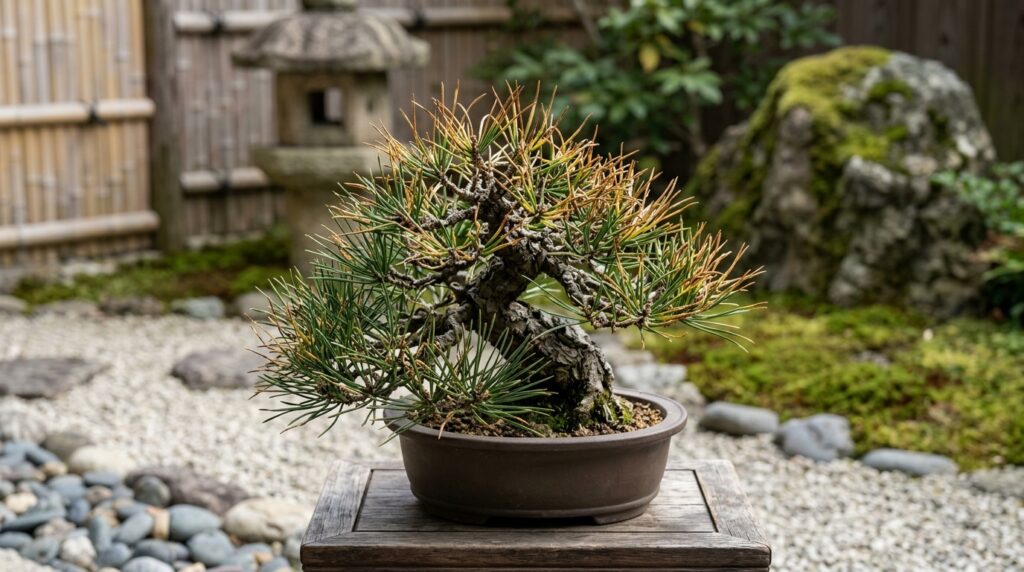
What makes bonsai difficult for beginners is that the tree rarely punishes impatience immediately. A beginner can wire too soon, prune too hard, repot at the wrong moment, and still feel successful for a few weeks. The tree often answers later, with weak growth, poor recovery, or a gradual decline that feels mysterious only because the earlier stress was forgotten.
That is why I teach beginners to treat bonsai less like a series of tasks and more like a conversation with a living thing. Before shaping, ask whether the tree is vigorous enough. Before pruning, ask whether the season supports recovery. Before changing several things at once, ask whether you will still understand the result afterward. Those questions slow you down, but they also keep you from making the kind of mistake that costs a year of progress.
Many bonsai beginners also confuse visible activity with meaningful progress. Wiring, pruning, repotting, and styling feel productive, while observation feels passive. In practice, observation is often the more advanced skill. When you notice how a species extends, where buds appear, how quickly soil dries, and how the tree responds to minor adjustments, your later work becomes much more precise.
I also think beginners benefit from keeping one simple rule: do not ask a weak tree to teach you advanced technique. If a tree is struggling with water balance, poor light, or poor root health, styling it harder rarely improves anything. Restoring strength first is not hesitation. It is sound bonsai practice.
The encouraging part is that this mistake is fixable. Most beginners do too much because they care. Once that energy is redirected into observation, timing, and restraint, progress becomes steadier and the tree begins to look more convincing with less force.
What I Check Before I Panic
When an indoor bonsai starts dropping leaves in winter, I look at light first, then watering rhythm, then sudden temperature swings near windows, vents, or heaters. Most indoor trees are reacting to weak winter conditions or inconsistent care, not inventing a mysterious new problem overnight.
I also want to know whether the species is tropical, subtropical, or a tree that was never going to thrive indoors long term. That distinction matters because some winter leaf loss is stress, while some cases are really a mismatch between the tree and the environment it was asked to tolerate.