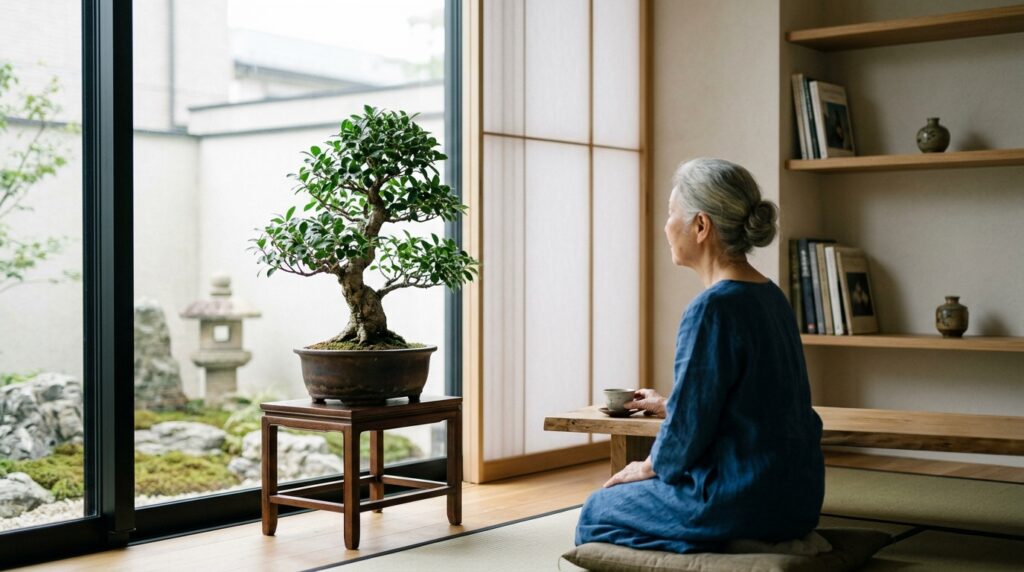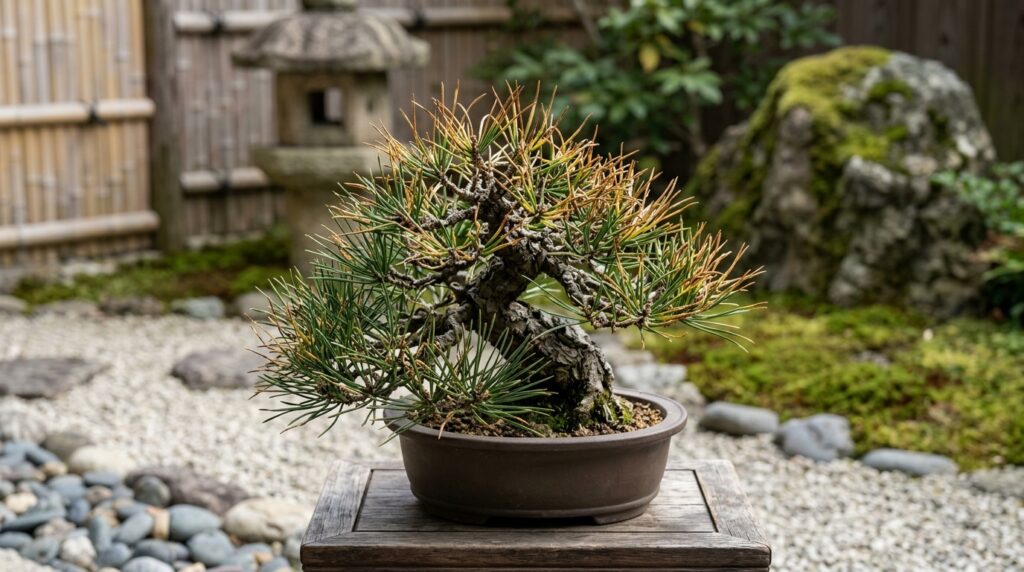
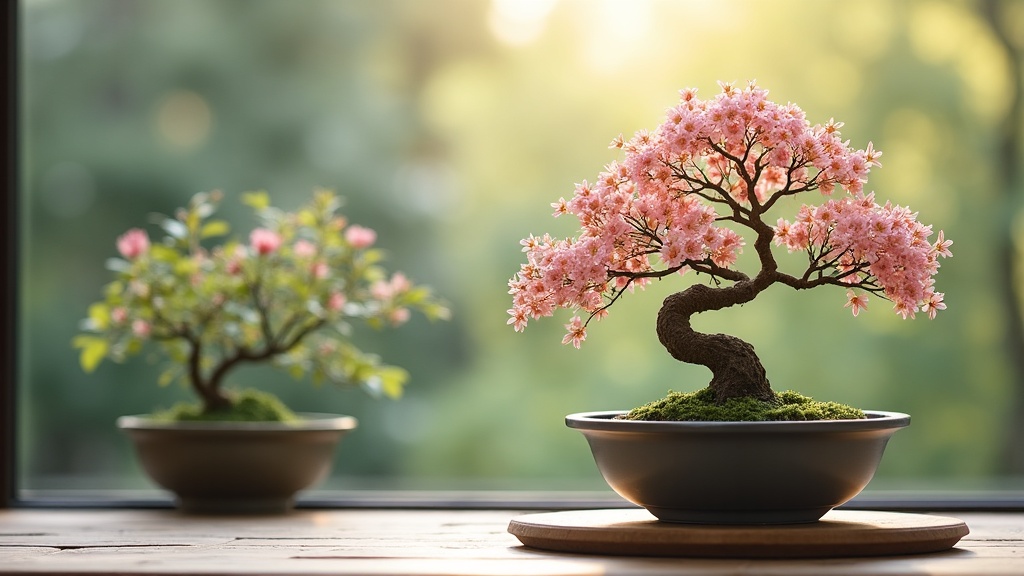
I see this mistake in beginners because bonsai invites action before it teaches patience. Outdoor flowering bonsai are usually not suitable as permanent indoor plants. Even though they may look refined enough for a coffee table or bright windowsill, these trees are still outdoor species with outdoor needs. They depend on full sun, moving air, seasonal temperature changes, and winter dormancy patterns that most homes cannot provide.
That does not mean they can never come inside. In many cases, an outdoor flowering bonsai can be brought indoors briefly for display while in bloom or for a special occasion. The key distinction is temporary indoor display versus long-term indoor cultivation. One is often manageable. The other usually weakens the tree over time.
Why flowering bonsai struggle indoors
Most flowering bonsai commonly grown outdoors, such as azalea, crabapple, wisteria, bougainvillea in suitable climates, flowering quince, and cherry, evolved to live in conditions far brighter and more dynamic than an indoor room. Even a sunny window is far dimmer than open sky for most of the day.
Light is only part of the issue. Outdoor bonsai also rely on natural temperature swings between day and night, humidity shifts, wind exposure that helps regulate moisture and fungal pressure, and the seasonal cues that tell the tree when to grow, bloom, slow down, or rest. Indoors, temperatures tend to stay flatter and warmer, air tends to be drier or stagnant, and the tree misses many of the signals it expects.
For flowering species, these mismatches show up quickly. A tree may produce weak growth, stretch toward the window, bloom poorly, drop buds, or become more vulnerable to spider mites, scale, mildew, and root stress. Sometimes the decline is gradual enough that the tree still looks acceptable for a season or two, which can mislead owners into thinking it is adapting well. In reality, it may simply be using stored energy while becoming less resilient.
When indoor placement can be acceptable
There are limited situations where bringing an outdoor flowering bonsai indoors is reasonable:
First, short display periods are usually fine. A healthy tree in active bloom can often spend a few days indoors for viewing, especially if it returns outside promptly. This is common when people want to enjoy flowers up close or use the tree as a centerpiece for an event.
Second, temporary shelter during dangerous weather can make sense. If there is an unusual late frost, hail event, or extreme windstorm, moving a tree into a protected but cool location for a brief period may prevent damage. That kind of protection is different from trying to keep it inside as a houseplant.
Third, some growers use transitional indoor spaces such as enclosed porches, bright unheated sunrooms, or cool greenhouses. These are not typical indoor living conditions. They work better because they offer higher light and a more seasonal environment than a heated room.
How long is too long?
There is no exact number that fits every species and home, but the general rule is simple: the shorter, the safer. A few days indoors is usually less risky than a few weeks. Once an outdoor flowering bonsai is kept inside continuously, the odds of long-term decline rise sharply.
If the tree starts showing softer, elongated growth, yellowing leaves, bud drop, or persistent dryness despite careful watering, those are signs the environment is not supporting it well. At that point, moving it back outdoors is usually the right response.
The dormancy issue
One of the biggest reasons outdoor bonsai fail indoors is dormancy. Many temperate flowering species need a cold winter rest period. Without that annual reset, they can become weaker year after year, bloom less reliably, and eventually lose vigor altogether.
This is why an outdoor azalea bonsai, flowering quince, or crabapple should not be treated like a tropical ficus. The care categories are fundamentally different. Tropical bonsai can sometimes adapt to indoor life if they receive enough light and warmth. Temperate flowering bonsai generally cannot skip winter and remain healthy.
If you want to display one indoors, do it carefully
If you plan to bring an outdoor flowering bonsai inside for a short period, a few precautions help reduce stress:
Place it in the brightest spot available, away from heating vents, fireplaces, and blasts of dry air. Keep the display period brief. Check soil moisture daily, because indoor conditions can change watering needs in either direction. Avoid repotting, heavy pruning, or major styling at the same time. Then move the tree back outside before it begins to adapt poorly to the indoor environment.
It also helps to choose the timing wisely. A strong, healthy tree already in flower usually tolerates a short indoor visit better than a recently repotted, drought-stressed, or pest-affected one.
Better alternatives for indoor enjoyment
If your goal is to keep a bonsai indoors year-round, it is usually better to choose a species that actually suits indoor culture rather than forcing an outdoor flowering bonsai into the role. Tropical and subtropical bonsai are far better candidates for indoor growing under bright light, ideally with supplemental grow lights when natural light is limited.
If your goal is specifically flowers, it may be worth separating the idea of bonsai from the idea of indoor blooms. Many flowering houseplants are far more reliable indoors than flowering bonsai and will demand less compromise from both grower and plant.
Final answer
Yes, outdoor flowering bonsai can be suitable indoors in a very limited, temporary sense, mainly for short display periods or brief protection from bad weather. No, they are generally not suitable as permanent indoor bonsai. If you want them to stay healthy, bloom well, and live for years, they should spend the vast majority of their life outdoors in conditions that match their species’ natural seasonal needs.
What I Pay Attention to First
- How much foliage and stored energy the tree can realistically afford to lose right now.
- Whether the species is in the right seasonal window for the kind of pruning you want to do.
- Which branches are being reduced for structure versus which ones you are touching only out of impatience.
- Whether aftercare conditions are stable enough to support recovery once the work is finished.
That sequence keeps pruning tied to horticultural reality instead of turning it into guesswork.
What makes bonsai difficult for beginners is that the tree rarely punishes impatience immediately. A beginner can wire too soon, prune too hard, repot at the wrong moment, and still feel successful for a few weeks. The tree often answers later, with weak growth, poor recovery, or a gradual decline that feels mysterious only because the earlier stress was forgotten.
That is why I teach beginners to treat bonsai less like a series of tasks and more like a conversation with a living thing. Before shaping, ask whether the tree is vigorous enough. Before pruning, ask whether the season supports recovery. Before changing several things at once, ask whether you will still understand the result afterward. Those questions slow you down, but they also keep you from making the kind of mistake that costs a year of progress.
Many bonsai beginners also confuse visible activity with meaningful progress. Wiring, pruning, repotting, and styling feel productive, while observation feels passive. In practice, observation is often the more advanced skill. When you notice how a species extends, where buds appear, how quickly soil dries, and how the tree responds to minor adjustments, your later work becomes much more precise.
I also think beginners benefit from keeping one simple rule: do not ask a weak tree to teach you advanced technique. If a tree is struggling with water balance, poor light, or poor root health, styling it harder rarely improves anything. Restoring strength first is not hesitation. It is sound bonsai practice.
The encouraging part is that this mistake is fixable. Most beginners do too much because they care. Once that energy is redirected into observation, timing, and restraint, progress becomes steadier and the tree begins to look more convincing with less force.
What I Check Before I Panic
When an indoor bonsai starts dropping leaves in winter, I look at light first, then watering rhythm, then sudden temperature swings near windows, vents, or heaters. Most indoor trees are reacting to weak winter conditions or inconsistent care, not inventing a mysterious new problem overnight.
I also want to know whether the species is tropical, subtropical, or a tree that was never going to thrive indoors long term. That distinction matters because some winter leaf loss is stress, while some cases are really a mismatch between the tree and the environment it was asked to tolerate.