I may earn a small commission from qualifying purchases through links in this article, at no extra cost to you.
When people ask me, What should a beginner look for when buying a bonsai? my answer is simple: buy health first, species suitability second, and style only after that. A beginner usually does better with an honest, vigorous tree than with an expensive tree that already looks refined but is difficult to keep alive.
After many years of teaching, I have seen the same mistake repeat itself. A new grower falls in love with a dramatic silhouette, ignores the roots, ignores the soil, and takes home a weak tree in a decorative pot. Six months later, they think bonsai is fragile. Usually the problem was not bonsai. It was the purchase.
If you are standing in front of a bench of bonsai at a nursery, garden centre, or online shop, slow down and judge the tree in a practical order. Ask: can this species live where I actually live, does it look vigorous today, is the root system believable, and is the price fair for its stage of development? That sequence will save you disappointment.
Start with the right species for your real growing conditions
The best beginner bonsai is not the most beautiful one in the shop. It is the species that matches your climate, light, and daily routine. This matters more than almost anything else.
One quiet truth from long practice: beginners often overestimate indoor light and underestimate outdoor resilience. Many trees sold as ?indoor bonsai? are simply tropical or subtropical species that tolerate indoor life better than temperate trees. They still need strong light, consistent watering, and stable care.
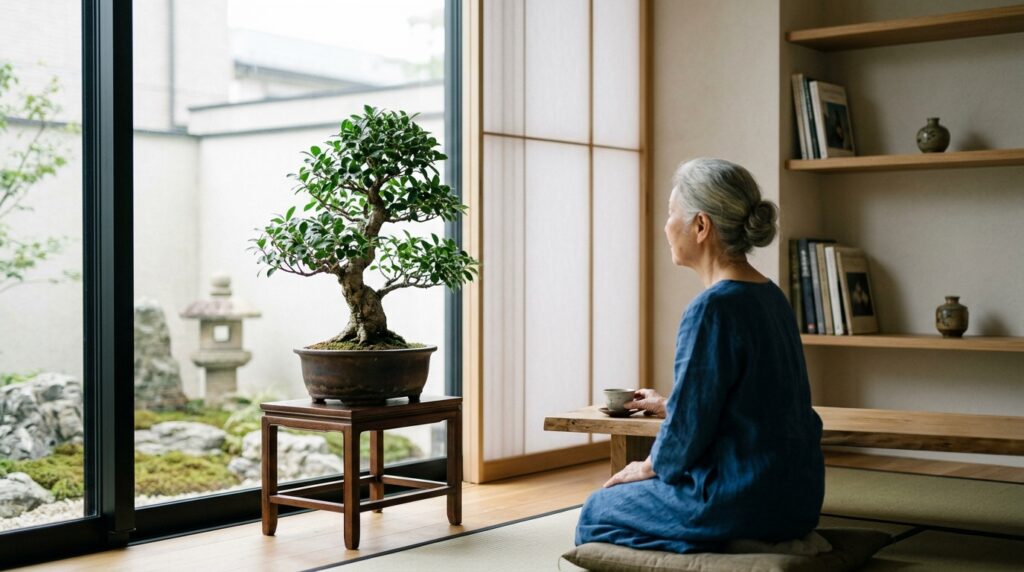
If you live in the UK or a similar climate and want a tree for the house, the indoor question becomes even more important. The indoor bonsai trees that usually grow well in UK homes are species that tolerate lower winter light and central heating better than fussy alternatives. That usually means Ficus, Chinese elm if given very bright conditions, jade in a sunny window, and sometimes Carmona only if the environment is warm and bright enough. For most beginners, I point first to ficus. It forgives missed lessons more readily.
| Species | Best for | Beginner difficulty | What to check before buying |
|---|---|---|---|
| Ficus | Bright indoor growing | Easy | Glossy leaves, steady new growth, no sticky residue, no root rot smell |
| Chinese elm | Cool bright room or sheltered outdoor growing | Easy to moderate | Fine twigging, no brittle dieback, healthy buds along branches |
| Juniper | Outdoor bonsai only | Easy if kept outdoors | Flexible live foliage, not dry inside the canopy, good drainage |
| Jade | Sunny window, dry indoor conditions | Easy | Firm leaves, compact stems, no mushy trunk base |
| Japanese maple | Outdoor grower with some protection | Moderate | Healthy buds, no scorched bark, balanced branch structure |
If a seller cannot tell you whether the tree is indoor or outdoor, be careful. That is basic information, and a beginner should not need to guess.
Judge health before beauty
A bonsai can be styled later. Vigor is harder to replace. I would rather buy a plain, healthy tree with modest branch structure than a dramatic tree with poor roots or weak foliage.
Here is the order I use when inspecting a bonsai:
- Look at the foliage or leaves. They should match the species and season: firm, clean, evenly coloured, and present across the tree, not only at the tips.
- Check the trunk base. It should feel stable and alive, not loose in the pot, blackened, or soft at the soil line.
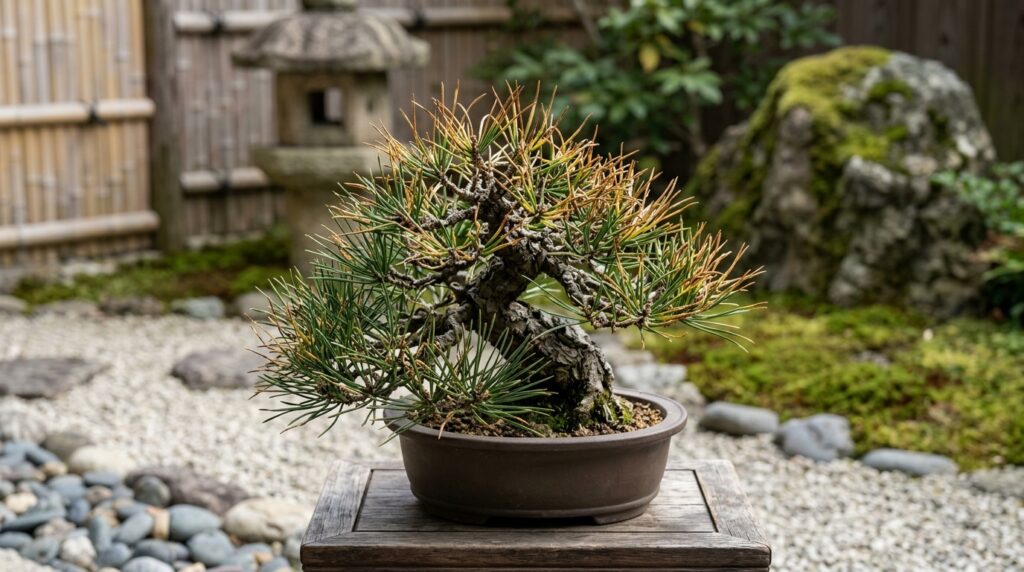
- Look into the inner canopy. Interior dieback can signal weak health, poor light, or neglect.
- Check the soil surface. A crusted, compacted top may suggest old, exhausted soil. Moss is not automatically a good sign; sometimes it simply hides poor substrate.
- Lift the pot slightly. If it is unnaturally heavy and soggy, drainage may be poor. If the tree wobbles, the roots may be weak or recently disturbed.
Another thing I have learned from nursery benches: shiny top dressing can make a poor tree look finished. Beginners should not confuse presentation with quality. Good bonsai often feels quieter than bad bonsai because nothing is being hidden.
Warning signs worth walking away from
- Yellowing leaves across the whole tree without a seasonal reason
- Branches that are dry and snap easily
- A sour smell from the soil
- White cottony pests, scale insects, or sticky residue on leaves
- Large scars that are fresh, ugly, or badly placed on a small finished tree
- Rocks glued to the soil surface or decorative moss hiding the trunk base
Look closely at the roots and soil
Beginners usually notice leaves and shape first, but bonsai begins below the soil. If the root system is poor, the tree will teach you frustration before it teaches you design.
At the surface, try to see whether the roots spread outward from the trunk in a natural way. This visible flare is called nebari. Even on a young tree, some sense of rootedness matters. A trunk that disappears into the soil like a pencil in mud is usually less convincing and sometimes less stable.
The soil should also make sense. Good bonsai soil is open, granular, and drains quickly. Muddy peat that stays wet for days is often used in mass-market bonsai because it travels and sells easily, not because it grows trees well. That does not always mean you should reject the tree. It does mean you should price in the work of repotting at the proper season.
For beginners buying their first setup, a bag of bonsai soil mix is often more useful than another decorative accessory. If the tree comes in poor substrate, fresh granular soil gives you a much stronger start.
Buy a tree that matches your skill, not your ambition
There is nothing wrong with ambition. Bonsai is built on it. But a beginner should know what they are paying for.
Some trees are priced for age, some for styling work, some for species rarity, and some simply for retail theatre. A cheap beginner tree can be excellent if it is vigorous and honest about its stage of development. An expensive tree can be bad value if it asks you to maintain refined branch structure before you understand watering and seasonal growth.
In my teaching years, the students who stayed with bonsai longest usually began with one of two paths:
- The forgiving practice tree: a healthy ficus, elm, or juniper that taught watering, pruning, and placement without high financial pressure.
- The slightly better nursery tree: a more developed specimen with decent trunk movement and root flare, bought from a specialist who could explain aftercare clearly.
What rarely worked was the ?gift-shop bonsai? path: a stressed tree in poor soil, sold with vague care instructions and a tray of glued pebbles. The beginner blames themselves, but the starting material was weak.
How much refinement should a beginner buy?
My advice is to buy one step below what you think you want. Choose a tree with enough character to inspire you, but enough looseness that mistakes are survivable. A slightly unrefined tree lets you learn pruning and seasonal response. A highly refined bonsai demands precision from the start.
Evaluate the structure, not just the silhouette
A bonsai can look impressive from one angle and disappointing from every other. Beginners should take time to inspect the structure beneath the outline.
Look for these qualities:
- A trunk with taper, meaning it becomes thinner as it rises
- Branches that emerge at sensible points, not all from one swollen junction
- Clear front potential, where trunk movement and root spread feel balanced
- Natural spacing between branches, rather than a flat outer shell of foliage
If the tree is densely wired, ask whether the wiring is helping the design or hiding structural problems. I have unwired many beginner purchases that looked sophisticated on the bench and ordinary once the wire came off. That is not always dishonest; sometimes it is simply retail timing. But it is worth seeing clearly.
For someone learning basic maintenance, a clean pair of bonsai pruning shears and a roll of anodized aluminum bonsai wire are genuinely useful first tools. They matter more than ornamental extras because they help you respond correctly as the tree grows.
Ask the seller practical questions
A good bonsai seller does not only sell the tree. They explain the next season of care. For a beginner, that guidance is part of the purchase.
Ask these questions plainly:
- Has this tree been recently repotted?
- Is it grown indoors, outdoors, or seasonally moved?
- How long has it been in this soil?
- What is the usual watering rhythm in this pot and substrate?
- Has it been wired recently, and when should wire be checked or removed?
- What is the next important task for this species: feeding, pruning, winter protection, or repotting?
If the answers are vague, generic, or contradictory, I would not pay a premium price. Bonsai is specific. Good sellers speak specifically.
Where beginners should buy bonsai
My preference is simple: buy from a bonsai specialist first, a good nursery second, and a general gift retailer last. Specialists usually price more honestly for the horticultural stage of the tree, and their care advice is better. A strong local seller also helps when you later need repotting soil, wire, or seasonal guidance.
Online buying can work, but beginners should be disciplined. Ask for current photos from several angles, including the soil surface and trunk base. Ask how the tree will be packed and whether it has been growing in stable conditions. If shipping pushes a tropical tree through cold weather, the design will not matter much.
For indoor beginners, a simple bonsai humidity tray can help with cleanliness and local moisture, though it is not a substitute for good light. I mention this because many new growers buy a tree for the living room without preparing the space around it. Often the setup fails before the tree does.
The best beginner purchase is a complete decision, not just a tree
When I choose a beginner bonsai, I am not only judging the tree on the bench. I am judging the life that follows. Will this species suit the owner?s window, balcony, or garden? Will the owner notice when the soil dries? Is the tree vigorous enough to recover from a learning mistake? Is the price low enough that the owner can buy soil and basic tools as well?
That is why the best first bonsai is often slightly less glamorous than the one that catches the eye first. It has better roots, a more believable trunk base, a suitable species, and a clearer future. In bonsai, quiet advantages age well.
If you remember only one thing, remember this: a beginner should buy a healthy species in the right growing category, with open soil, stable roots, and enough structure to enjoy without demanding expert care. Beauty matters, but health and suitability are what let beauty remain.
FAQ
Should a beginner buy an indoor bonsai or an outdoor bonsai?
Buy the one that matches your space honestly. If you have a bright windowsill but no outdoor space, start with ficus or jade. If you have a garden, balcony, or patio, an outdoor species like juniper or Chinese elm is often easier to keep strong over time.
Is an expensive bonsai better for a beginner?
Not necessarily. Higher price can mean age, refinement, or rarity, but beginners benefit more from vigor and forgiveness. A moderately priced, healthy tree from a knowledgeable seller is usually a better first purchase than a highly refined specimen.
What should I avoid when buying my first bonsai?
Avoid weak foliage, compact muddy soil, loose trees in pots, unclear species labels, and sellers who cannot explain basic aftercare. Also avoid buying purely by silhouette. Turn the tree, inspect the base, and look into the canopy.
Can I repot a beginner bonsai immediately after buying it?
Usually no, unless there is an urgent health problem and the timing is appropriate for the species. Most beginners should first stabilise placement, watering, and observation. Repotting is valuable, but it should be done at the correct season rather than as an anxious first reaction.