I see this mistake in beginners because bonsai invites action before it teaches patience.
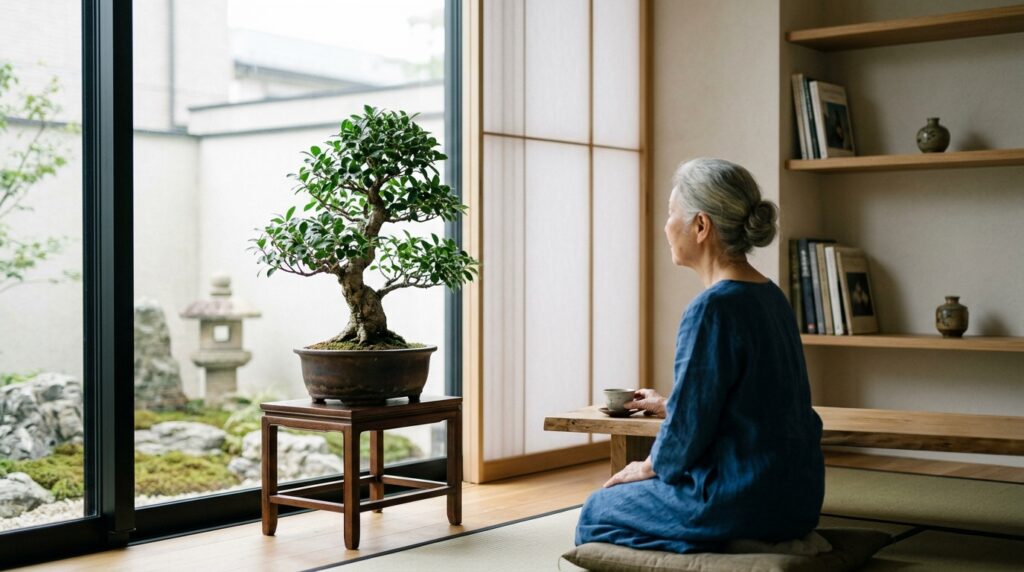
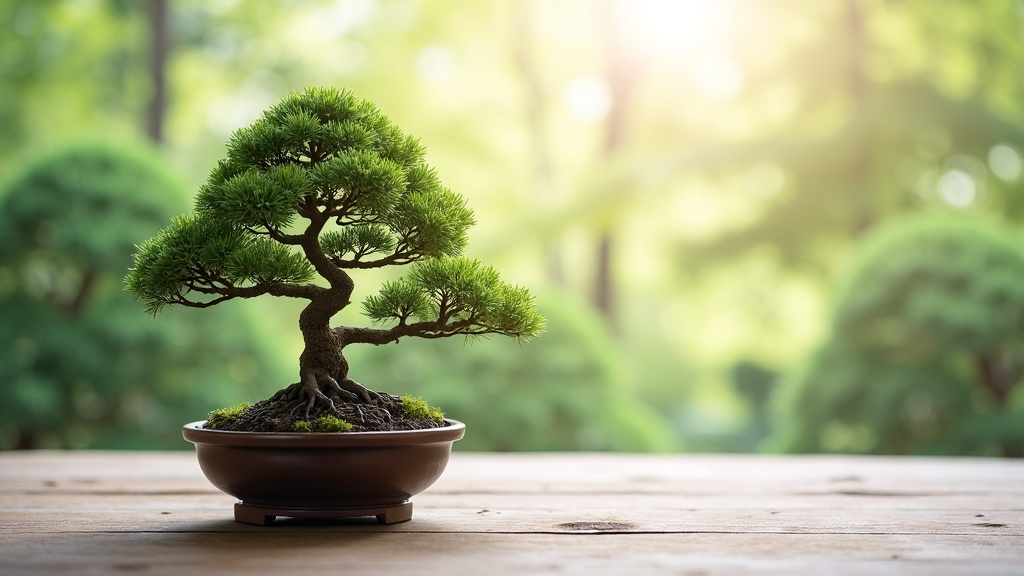
Indoor bonsai can be rewarding, but not every bonsai species is actually suited to life inside a home.
If your goal is to keep a tree compact, attractive, and realistic to care for on a windowsill, the best
choice is usually a tropical or subtropical species that tolerates steady indoor temperatures and lower
humidity better than outdoor bonsai do.
The easiest indoor bonsai trees to keep small and manageable are typically Ficus,
Dwarf Jade, Chinese Elm, Fukien Tea, and
Hawaiian Umbrella. These varieties are popular because they respond well to pruning,
stay naturally compact, and are generally more forgiving than delicate species that demand strict watering,
intense humidity, or seasonal outdoor dormancy.
What Makes an Indoor Bonsai Easy to Manage?
A manageable indoor bonsai is not just small. It also needs to handle normal household conditions without
declining quickly. The easiest species usually share a few traits:
- They tolerate occasional watering mistakes better than sensitive trees.
- They respond well to pruning, so size control is simple.
- They grow steadily but not so aggressively that they become difficult to shape.
- They can adapt to bright indoor light rather than needing full outdoor sun year-round.
- They are less likely to drop leaves dramatically after minor changes in environment.
That combination matters more than appearance alone. A species may look beautiful in bonsai form, but if it
demands outdoor winter dormancy or constant humidity, it will be frustrating for a beginner trying to grow it
indoors.
Best Indoor Bonsai Trees That Stay Small
1. Ficus Bonsai
Ficus is widely considered the best beginner indoor bonsai. It adapts well to indoor environments, develops a
thick trunk over time, and tolerates pruning extremely well. It can be kept small for years with regular
trimming, and many varieties naturally produce small leaves that suit bonsai styling.
It is also more forgiving if you miss a watering by a day or if indoor humidity is not ideal. Bright indirect
light is best, though many ficus trees can tolerate somewhat lower light than other bonsai species. For someone
who wants a classic bonsai look with relatively low stress, ficus is often the strongest option.
2. Dwarf Jade Bonsai
Dwarf jade, sometimes called Portulacaria afra, is another excellent choice for small indoor bonsai. Because it
is a succulent, it stores water in its leaves and stems, which makes it more tolerant of dry indoor air and
occasional neglect. It naturally stays compact and is easy to shape through pinching and pruning.
Dwarf jade works especially well for people who tend to overwater less often than they underwater. Its care is
straightforward: give it strong light, let the soil dry somewhat between waterings, and prune back new growth to
maintain the silhouette. It may not have the same traditional bark texture as older ficus, but it is one of the
easiest species to keep alive and small.
3. Chinese Elm
Chinese elm is admired for its fine branching and graceful form. In bonsai, it can remain compact and develop a
refined canopy with regular trimming. Some growers keep Chinese elm indoors successfully, especially in very
bright conditions, though it generally performs best when it gets strong light and stable care.
Compared with ficus or dwarf jade, Chinese elm can be a little less forgiving if light is too weak. Still, it
remains one of the more approachable species for growers who want a more traditional deciduous bonsai appearance
without choosing something highly demanding.
4. Fukien Tea
Fukien tea is popular for its tiny dark green leaves, delicate branching, and occasional small white flowers.
It stays naturally compact and can look very polished even at a small size. That makes it attractive for indoor
bonsai displays.
It is manageable, but not as forgiving as ficus. Fukien tea prefers consistent watering, strong light, and a
relatively stable environment. If you want a smaller bonsai with a refined look and you can provide bright
placement, it can be a strong choice, but most beginners will still find ficus easier.
5. Hawaiian Umbrella Bonsai
Hawaiian umbrella, or Schefflera arboricola, is valued for its resilience indoors. It handles lower humidity
fairly well, adapts to container culture, and can be kept compact with regular pruning. Its leaf shape is
different from a classic bonsai silhouette, but it is dependable and beginner-friendly.
This species is useful if you want an indoor tree that prioritizes ease of care over strict traditional bonsai
styling. It can produce an attractive miniature tree form and is often more tolerant of average home conditions
than more delicate flowering species.
Which Indoor Bonsai Is the Absolute Easiest?
If ease is the main priority, ficus is usually the best answer. It balances durability,
appearance, and responsiveness to pruning better than almost any other indoor bonsai tree. If your home is dry,
your schedule is inconsistent, or this is your first bonsai, ficus gives you the best margin for error.
If you prefer something even more drought-tolerant, dwarf jade is a close second. It is
especially practical for people who want a compact bonsai but worry about the plant suffering from occasional
missed waterings.
Tips for Keeping Indoor Bonsai Small and Healthy
Choosing the right species is only part of the equation. To keep any indoor bonsai small and easy to manage,
your care routine needs to support compact growth rather than fast, weak growth.
- Place the tree in the brightest spot available, ideally near a south- or east-facing window.
- Prune regularly instead of waiting for long, leggy shoots to develop.
- Water based on soil dryness, not on a fixed calendar.
- Use a well-draining bonsai soil mix to avoid root problems.
- Rotate the pot occasionally so growth stays balanced.
- Repot when needed to control root growth and refresh the soil.
Small bonsai stay healthiest when their growth is controlled gradually. Heavy pruning after long neglect is
harder on the tree and usually produces a less refined result.
Common Mistakes With Indoor Bonsai
Many indoor bonsai problems come from choosing the wrong species or treating bonsai as decorative objects rather
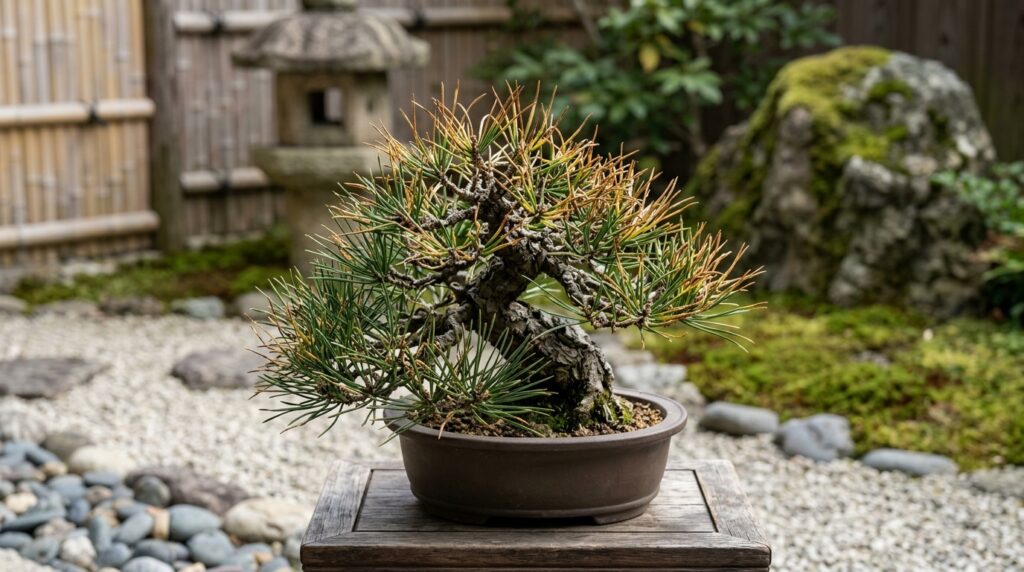
than living trees. A juniper or pine may look appealing, but these are not true indoor bonsai and usually
decline indoors over time because they need outdoor conditions and seasonal dormancy.
Another common mistake is overwatering. Small pots dry out differently depending on light, temperature, and
season, so watering on a rigid schedule often causes trouble. Weak light is another frequent issue. Even easy
indoor bonsai need much more light than most people expect.
Final Answer
The indoor bonsai trees that stay smallest and are easiest to manage are usually ficus,
dwarf jade, Chinese elm, Fukien tea, and
Hawaiian umbrella. Among them, ficus is generally the easiest overall because
it stays compact with pruning, tolerates indoor conditions well, and is forgiving for beginners. If you want a
low-maintenance alternative, dwarf jade is also an excellent option.
What makes bonsai difficult for beginners is that the tree rarely punishes impatience immediately. A beginner can wire too soon, prune too hard, repot at the wrong moment, and still feel successful for a few weeks. The tree often answers later, with weak growth, poor recovery, or a gradual decline that feels mysterious only because the earlier stress was forgotten.
That is why I teach beginners to treat bonsai less like a series of tasks and more like a conversation with a living thing. Before shaping, ask whether the tree is vigorous enough. Before pruning, ask whether the season supports recovery. Before changing several things at once, ask whether you will still understand the result afterward. Those questions slow you down, but they also keep you from making the kind of mistake that costs a year of progress.
Many bonsai beginners also confuse visible activity with meaningful progress. Wiring, pruning, repotting, and styling feel productive, while observation feels passive. In practice, observation is often the more advanced skill. When you notice how a species extends, where buds appear, how quickly soil dries, and how the tree responds to minor adjustments, your later work becomes much more precise.
I also think beginners benefit from keeping one simple rule: do not ask a weak tree to teach you advanced technique. If a tree is struggling with water balance, poor light, or poor root health, styling it harder rarely improves anything. Restoring strength first is not hesitation. It is sound bonsai practice.
The encouraging part is that this mistake is fixable. Most beginners do too much because they care. Once that energy is redirected into observation, timing, and restraint, progress becomes steadier and the tree begins to look more convincing with less force.
What I Check Before I Panic
When an indoor bonsai starts dropping leaves in winter, I look at light first, then watering rhythm, then sudden temperature swings near windows, vents, or heaters. Most indoor trees are reacting to weak winter conditions or inconsistent care, not inventing a mysterious new problem overnight.
I also want to know whether the species is tropical, subtropical, or a tree that was never going to thrive indoors long term. That distinction matters because some winter leaf loss is stress, while some cases are really a mismatch between the tree and the environment it was asked to tolerate.