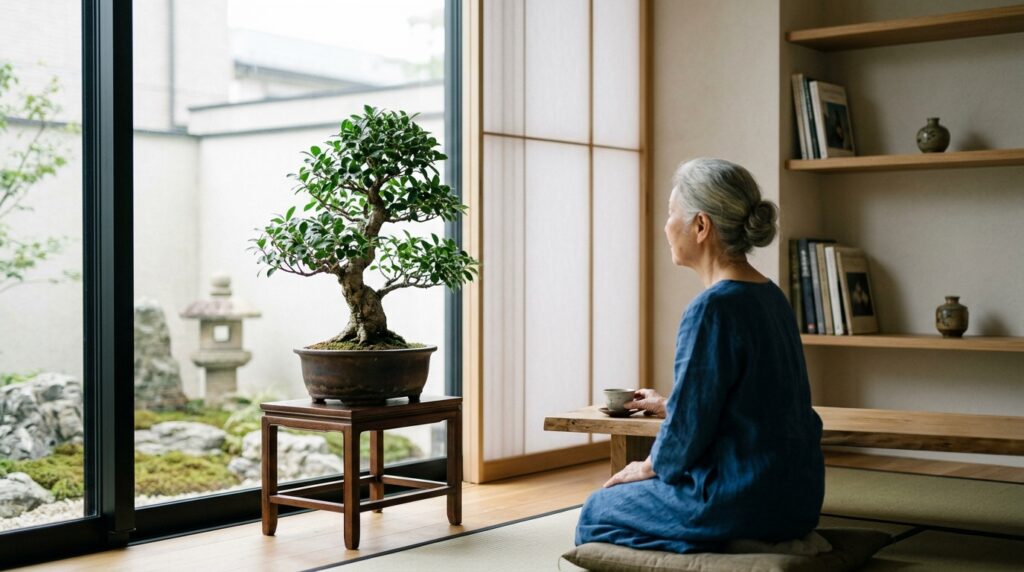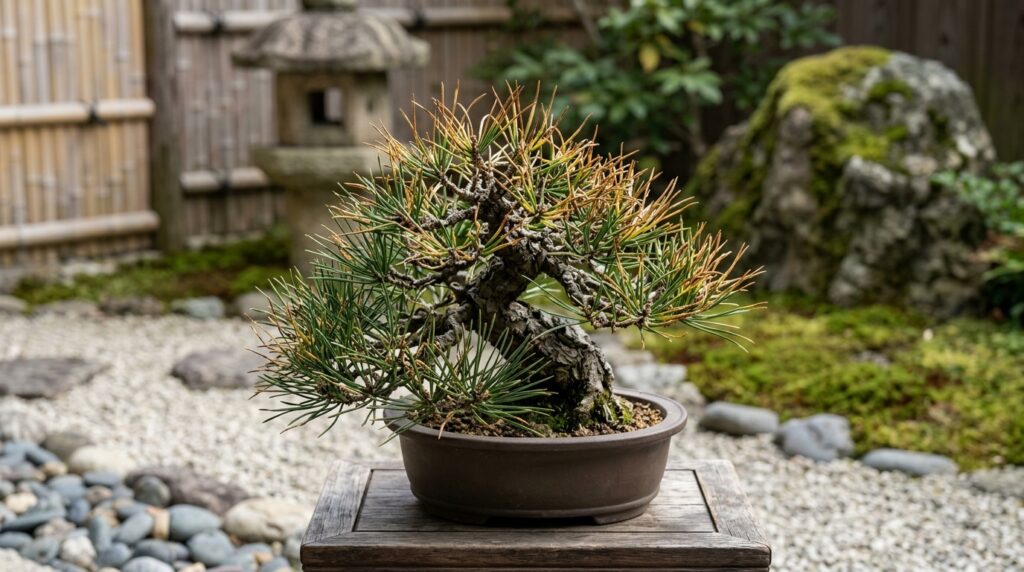
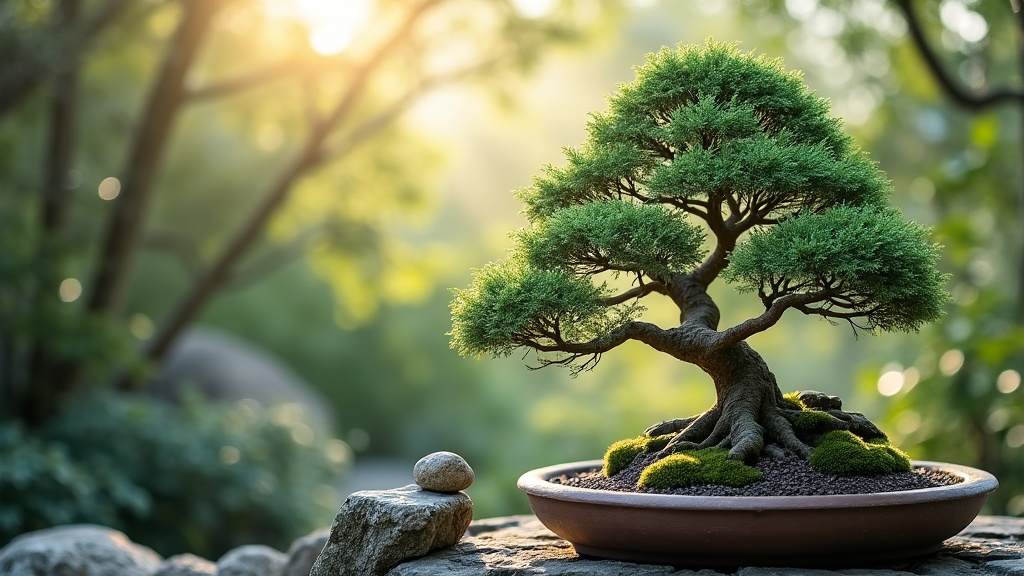
When I first read Alex Cassidy’s “The Hill Gardener” column in HillRag Magazine discussing the art of bonsai, I felt the familiar warmth of seeing our ancient practice acknowledged with the respect it deserves. For those of us who have spent decades shaping miniature trees, it’s gratifying to see mainstream publications helping readers understand that bonsai is not simply “keeping small trees in pots”—it’s a meditative practice that teaches patience, observation, and the profound beauty found in imperfection.
The HillRag piece captures something essential: bonsai practice asks us to slow down in a world that constantly demands we speed up. After twenty years working with these trees, I’ve learned that every wire placement, every pruning cut, every moment spent observing seasonal changes becomes a form of moving meditation.
Understanding the Hill Gardener’s Perspective on Bonsai
Alex Cassidy’s “The Hill Gardener” column has resonated with readers precisely because it approaches gardening—including bonsai—as both art and philosophy. The recent piece on bonsai explores how Washington DC area residents are discovering this practice, often starting with beginner bonsai tree kits before progressing to more sophisticated techniques.
What the column illustrates beautifully is the accessibility of bonsai. You don’t need a large garden or even a backyard. A small balcony, a sunny windowsill, or a modest patio space is sufficient. This democratization of the art form has been one of the most encouraging developments I’ve witnessed in recent years.
The Core Principles HillRag Highlighted
The article touched on several fundamental concepts that I teach regularly:
- Wabi-sabi philosophy: Finding beauty in imperfection, asymmetry, and the natural aging process
- Seasonal observation: Learning to read your tree’s needs through careful attention to growth patterns
- Patient intervention: Understanding that shaping a bonsai happens over years, not weeks
- Horticultural knowledge: Combining artistic vision with practical understanding of plant biology
- Space creation: Learning to create the illusion of age and scale in miniature
Starting Your Bonsai Journey: Practical Guidance
When readers reach out after seeing articles like the HillRag piece, they often ask where to begin. My answer hasn’t changed in two decades: start with a hardy species that forgives beginner mistakes.
The juniper bonsai tree remains the most forgiving introduction to the practice. Chinese elms and ficus varieties also tolerate the learning curve well. Avoid the temptation to begin with flowering species or delicate Japanese maples—save those for your second or third year.
Essential Tools for Beginning Practitioners
You don’t need an elaborate toolkit initially. These basics will serve you well:
| Tool | Purpose | When You’ll Need It |
|---|---|---|
| Concave cutters | Remove branches with minimal scarring | Structural pruning sessions |
| Wire (aluminum or copper) | Guide branch positioning and trunk shape | Throughout growing season |
| Shears (pruning scissors) | Fine pruning and detail work | Regular maintenance |
| Root rake | Untangle roots during repotting | Annual or biennial repotting |
| Watering can (fine rose) | Gentle, controlled watering | Daily care |
A complete bonsai tool set for beginners often provides better value than purchasing items individually, and ensures you have compatible tools from the start.
The Meditative Practice: What HillRag Understood
What impressed me most about the Hill Gardener column was its recognition that bonsai practice offers psychological and emotional benefits beyond the aesthetic results. In my training in Osaka, my sensei would say, “The tree teaches patience because it cannot be rushed. You teach yourself observation because the tree will not speak.”
This meditative quality becomes apparent in the routine tasks. Watering your bonsai each morning creates a ritual of attention. You notice subtle changes: new buds forming, slight wilting that signals water stress, the exact moment spring growth begins. This daily observation anchors you in the present moment.
Creating Your Practice Space
Whether you have a spacious garden or a small apartment balcony, establishing a dedicated area for bonsai care makes consistent practice easier. Consider these elements:
- Light exposure: Most bonsai need 4-6 hours of direct sunlight; observe your space throughout the day
- Protection from extremes: Wind, heavy rain, and intense afternoon sun can stress trees
- Water access: Daily watering is essential; proximity to a water source reduces friction
- Work surface: A sturdy bonsai display stand or table at comfortable working height
- Storage for tools: Keeping implements clean, dry, and organized extends their lifespan
Seasonal Rhythms and Long-Term Vision
The Hill Gardener article touched briefly on seasonal care, but this deserves deeper attention. Bonsai practice teaches you to think in cycles rather than linear time. Your actions in autumn directly affect spring growth. Decisions made in a tree’s third year shape its appearance in its twentieth year.
In spring, focus on repotting (for species on their cycle), initial wiring, and allowing new growth to extend. Summer brings frequent watering, pinching back excessive growth, and monitoring wire that can cut into expanding branches. Autumn is for structural pruning and preparing trees for winter dormancy. Winter offers time for planning, tool maintenance, and studying your trees’ bare structure.
Developing Your Eye for Design
Learning to see potential in raw material takes time. When I work with students, I encourage them to study classical bonsai styles—formal upright, informal upright, slanting, cascade, semi-cascade—not to rigidly follow rules, but to understand the principles underlying each form.
Visit exhibitions when possible. The bonsai photography books from major Japanese collections provide excellent study material when travel isn’t feasible. Observe how masters create the illusion of age, how they balance negative space with foliage mass, how they guide the viewer’s eye through the composition.
Common Challenges and Patient Solutions
After two decades, I can tell you that everyone struggles initially. Trees die. Wire marks scar branches. Pruning mistakes take years to correct. This is part of the practice, not a failure of the practitioner.
The most common challenge I see: overwatering or underwatering. Bonsai soil should be consistently moist but never waterlogged. Using proper bonsai soil mix with akadama improves drainage dramatically compared to standard potting soil.
The second challenge: insufficient light. Indoor bonsai need more light than most people assume. A sunny window often isn’t enough. Supplemental grow lights for bonsai solve this problem, especially in winter months or north-facing apartments.
The Philosophy Behind the Practice
What the HillRag article captured beautifully was the philosophical dimension of bonsai. Wabi-sabi—the Japanese aesthetic that finds beauty in imperfection, impermanence, and incompleteness—permeates every aspect of the practice.
A perfectly symmetrical tree isn’t the goal. Instead, we seek natural asymmetry, the beauty of weathered bark, the elegant line of a branch that suggests wind-swept mountain slopes. We embrace the reality that our trees age, that branches die back, that accidents happen. These become part of the tree’s story, its character.
This philosophy extends beyond the trees themselves. It teaches us to approach mistakes with curiosity rather than frustration, to see setbacks as learning opportunities, to understand that perfection is neither possible nor desirable.
Building Community Through Practice
One aspect I wish the Hill Gardener piece had explored more deeply is the community dimension of bonsai. While the practice itself is often solitary and meditative, connecting with other practitioners accelerates learning and sustains motivation.
Local bonsai clubs exist in most cities. These groups offer workshops, exhibitions, and the invaluable experience of learning from practitioners at various skill levels. Online communities supplement but cannot replace the experience of seeing techniques demonstrated in person, of examining a master’s tree from all angles, of discussing approaches with someone who understands the specific challenges of your climate and available species.
Frequently Asked Questions
How long does it take to create a presentable bonsai from a nursery plant?
With consistent care and appropriate techniques, you can develop a nursery plant into a tree with bonsai character within 3-5 years. However, truly mature-looking specimens require 10-20 years or more. The journey is the practice—rushing it defeats the purpose. I often tell students that if you’re focused solely on the destination, you’re missing the entire point of bonsai.
Can I keep any bonsai species indoors year-round?
Only tropical and subtropical species—ficus, jade, Chinese elm (marginally)—tolerate indoor conditions long-term. Most bonsai, particularly temperate species like Japanese maples, pines, and junipers, require winter dormancy and cannot survive permanently indoors. These need outdoor placement where they experience seasonal temperature changes. This surprises many beginners, but attempting to keep temperate species indoors almost always results in tree death within 1-2 years.
What’s the difference between bonsai and simply keeping a plant small?
The distinction is artistic intent and technique. Bonsai creates the illusion of a mature tree at miniature scale through careful branch structure, trunk taper, root placement, and ramification patterns. Simply pruning a plant to keep it small doesn’t address proportion, movement, or the aesthetic principles that make a convincing miniature landscape. It’s the difference between trimming a hedge and sculpting a tree to evoke ancient pines on mountain cliffs.
How much should I expect to spend starting bonsai as a beginner?
You can start meaningfully for $100-150: one hardy tree ($25-40), basic tool set ($30-50), appropriate pot and soil ($20-30), and a fundamental guide book or online course ($20-40). This modest investment allows you to discover whether the practice resonates with you. As you progress, you’ll naturally add to your collection and toolkit, but the initial barrier is quite low compared to many hobbies.
What happens if I make a major pruning mistake?
Trees are remarkably resilient. A pruning error might set back your design by 1-3 years while new branches develop, but it rarely kills the tree outright. I’ve made countless mistakes—we all have. Some of my best trees bear the scars of early misunderstandings that, years later, contribute to their character. The practice teaches you to work with what emerges rather than forcing a preconceived vision. Document your work with photographs; you’ll be amazed how “disasters” transform into interesting features over time.