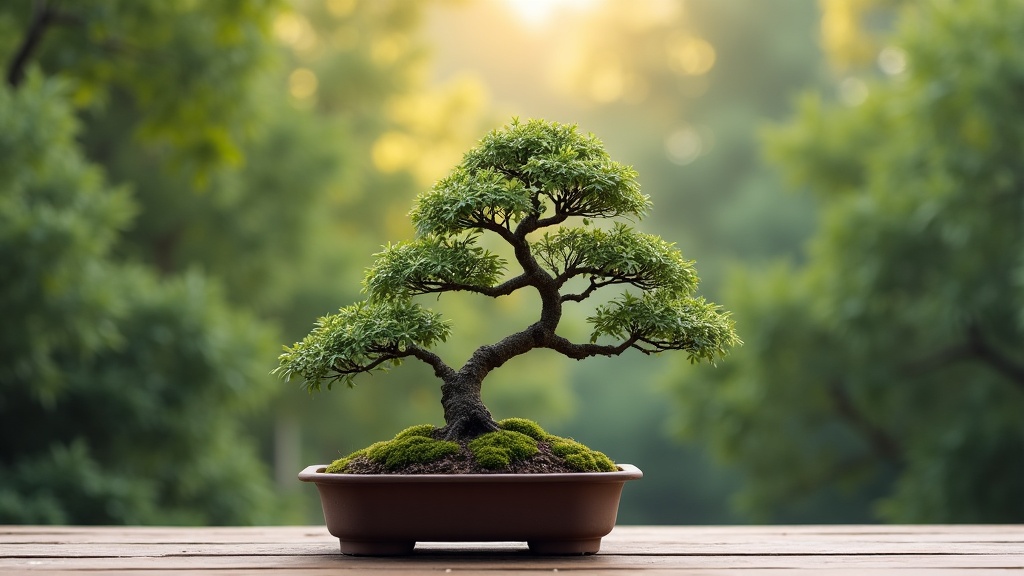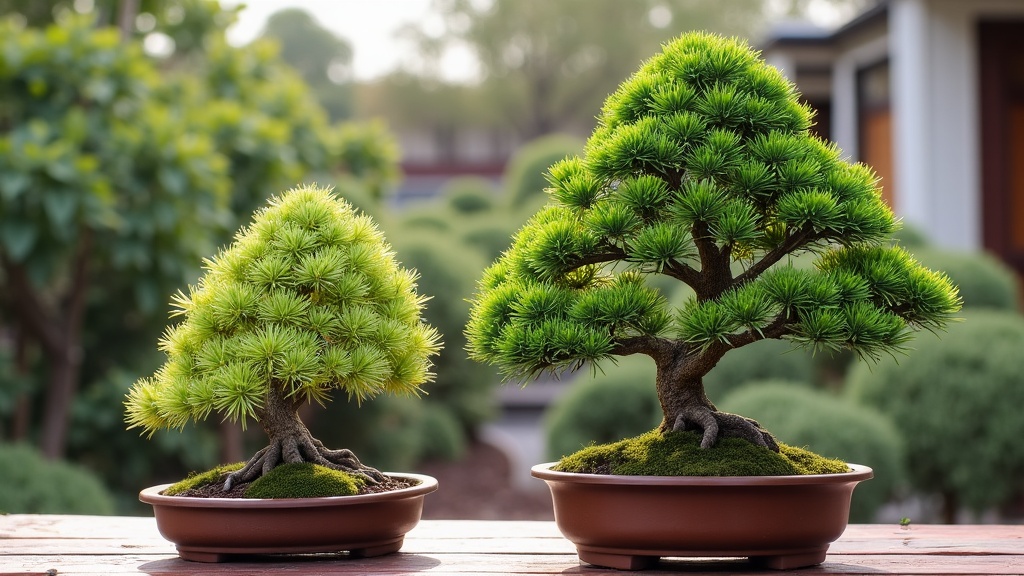
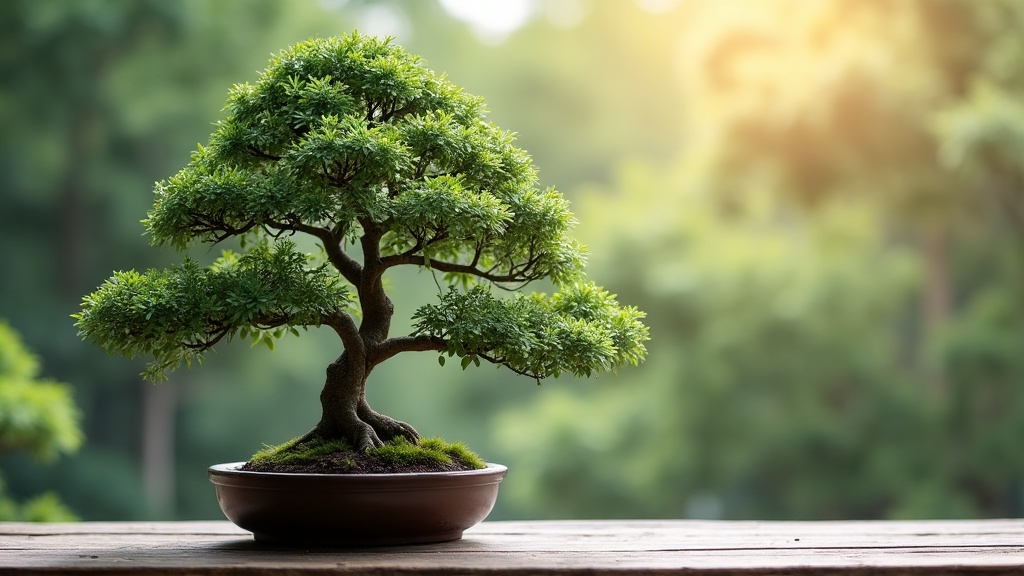
Pruning is how you guide a bonsai’s growth and reveal its character. After twenty years of working with trees, I’ve learned that every cut is both a technical decision and a conversation with the tree’s natural form.
In this guide, I’ll walk you through the essential principles of bonsai pruning—when to cut, what to remove, and how to work with your tree’s energy rather than against it. These are the same methods I learned in Kyoto and refine with each season.
Why We Prune Bonsai Trees
Pruning serves three fundamental purposes in bonsai cultivation. First, it maintains the tree’s health by removing dead, diseased, or crossing branches that compete for resources. Second, it controls growth direction and encourages ramification—the fine branching that gives mature bonsai their aged appearance. Third, it refines the aesthetic structure, revealing the tree’s bones and creating negative space that allows the design to breathe.
Unlike pruning in conventional horticulture, bonsai pruning is an ongoing dialogue. Each cut influences where the tree directs its energy next. Remove a strong upward branch, and the tree responds by strengthening lateral growth. This is why timing and technique matter deeply.
When to Prune: Understanding Seasonal Rhythms
Trees follow predictable energy patterns throughout the year, and successful pruning works within these rhythms rather than against them.
Spring Pruning (Early Growth)
Spring is when I do most structural pruning on deciduous trees. As buds swell but before leaves fully open, the tree’s structure is visible and wounds heal quickly. This is the time to make major decisions—removing unwanted branches, correcting the angle of growth, establishing primary structure.
For pines and other conifers, I wait until the candles (new growth shoots) extend fully before pinching or cutting them back. This controls the tree’s vigor without sacrificing the current year’s needle development.
Summer Pruning (Active Growth)
During summer’s vigorous growth, I focus on maintenance pruning. This means pinching back new shoots that extend beyond the silhouette, removing water sprouts, and managing foliage density. Summer is not the time for heavy structural work—wounds heal more slowly in heat, and the tree is directing energy toward leaf production.
I use bonsai pruning shears for precision cuts during this maintenance work. Clean, sharp tools prevent tearing and disease transmission.
Fall Pruning (Preparation)
As deciduous trees begin dropping leaves, I do light structural work and remove any branches I missed in spring. This is also when I assess the tree’s progress over the growing season and plan more significant changes for the following spring.
Conifers can handle more aggressive work in fall, as they’re entering dormancy but still have time to seal wounds before winter.
Winter Pruning (Deciduous Trees Only)
For fully dormant deciduous trees, winter offers maximum visibility of the branch structure. However, I avoid pruning on freezing days—open wounds can suffer frost damage. When temperatures are above freezing, winter is excellent for wiring and structural refinement on species like maples and elms.
| Season | Deciduous Trees | Conifers | Flowering Trees |
|---|---|---|---|
| Spring | Heavy structural pruning before bud break | Pinch candles after extension; light pruning | Prune after flowering completes |
| Summer | Maintenance pinching and shoot selection | Maintenance only; remove excess shoots | Light maintenance; avoid heavy cuts |
| Fall | Light structural cleanup after leaf drop | Moderate structural work acceptable | Avoid pruning; flower buds forming |
| Winter | Structural work on mild days; avoid freezing temps | Minimal work; trees dormant but vulnerable | No pruning; protect flower buds |
How to Prune: Essential Techniques
Maintenance Pruning
This is the regular trimming that keeps your bonsai’s shape defined. I look for shoots that extend beyond the silhouette and pinch or cut them back to the first or second set of leaves. On most deciduous trees, this encourages back-budding—new growth closer to the trunk that increases ramification over time.
The key is consistency. Rather than letting growth run wild and then cutting everything back dramatically, I make small corrections every few weeks during the growing season. This keeps the tree’s energy balanced and prevents the shock of sudden heavy pruning.
Structural Pruning
Structural pruning involves removing entire branches to establish or refine the tree’s primary framework. This is where design sense and horticultural knowledge intersect.
I follow these principles when selecting branches to remove:
- Remove bar branches: Branches that emerge directly opposite each other at the same height create a visual bar across the trunk
- Eliminate crossing branches: Branches that cross in front of the trunk or cross each other create confusion and compete for light
- Cut parallel branches: Multiple branches extending in the same direction at similar angles lack visual interest
- Remove downward growth: Branches that point downward (except in weeping styles) appear unnatural and weak
- Clear the trunk line: Small branches emerging from the lower third of the trunk rarely add to the design and clutter the view
When making structural cuts, I use concave cutters to create a slight hollow in the wound. As the tree heals, callus tissue grows over this depression, eventually leaving minimal scarring. This is one of the techniques that separates bonsai work from ordinary pruning.
Pinching vs. Cutting
Not all pruning involves shears. On many species, I pinch soft new growth with my fingers. This is gentler and more precise for delicate shoots. Pines, in particular, respond better to pinching or twisting candles than to cutting them with tools.
For deciduous trees like maples and elms, I pinch back to the first pair of leaves throughout the growing season. This prevents long internodes (the space between leaf nodes) and builds dense, fine branch structure over time.
Reading Your Tree’s Response
Every tree communicates through its growth patterns. After pruning, I watch how the tree responds over the following weeks. Strong back-budding near cuts tells me the tree is healthy and responding well. Weak growth or dieback suggests I may have pruned too aggressively or at the wrong time.
Apical dominance—the tendency for upward growth to be strongest—is something I work with constantly. Remove the apex, and the tree redirects energy to the next highest branch. This is how I manage growth distribution and encourage development in weaker areas.
Managing Vigor
Vigorous areas of the tree often need more frequent pruning than weaker areas. A common mistake is to prune uniformly across the entire tree. This amplifies the imbalance—strong areas get stronger while weak areas fall further behind.
Instead, I prune strong areas more heavily and earlier in the season, while leaving weak areas to extend longer before cutting back. This redirects energy toward the areas that need development.
Tools and Technique
Sharp tools make clean cuts that heal faster and invite less disease. I keep several tools in rotation:
- Pruning shears: For cuts up to 5-6mm in diameter; daily maintenance work
- Concave cutters: For structural pruning and branch removal; creates healing hollows
- Knob cutters: For removing branch stubs flush with the trunk; specialized convex blade
- Scissors: Fine detail work on delicate growth and needle pruning
I clean my tools with alcohol between trees to prevent disease transmission, and I sharpen them regularly. Dull tools crush tissue rather than cutting cleanly, leaving wounds that heal slowly and invite infection.
Quality bonsai tool sets represent a worthy investment if you’re committed to the practice. The difference in cutting precision is immediately apparent.
Species-Specific Considerations
Pines and Conifers
Conifers require different timing than deciduous trees. I never remove all the foliage from a conifer branch—unlike deciduous trees, most conifers cannot generate new buds from bare wood. Each cut must leave some green growth to sustain that branch.
For Japanese black pine, I practice candle cutting in early summer, removing the strong candles completely and allowing weaker ones to develop. This balances vigor and creates shorter needle growth—essential for maintaining proportion in smaller bonsai.
Maples and Deciduous Trees
Deciduous trees are more forgiving. They back-bud readily and can handle aggressive pruning during dormancy. I defoliate mature healthy maples in early summer to encourage a second flush of smaller leaves, though this is an advanced technique that stresses the tree and should not be done annually.
Flowering Trees
Azaleas, cherry, and other flowering species set their flower buds in late summer for the following spring. Pruning after bud set removes next year’s flowers. I prune flowering trees immediately after blooming finishes, giving them the full growing season to set new flower buds.
Common Mistakes to Avoid
The most frequent error I see is removing too much foliage at once. Trees need leaves to generate energy through photosynthesis. Remove more than thirty percent of the foliage in a single session, and you risk seriously weakening the tree.
Another mistake is pruning at the wrong time. Late-season pruning on deciduous trees stimulates new growth that won’t harden off before winter, making it vulnerable to frost damage. Similarly, heavy pruning during the heat of summer stresses trees when they’re already working hard to manage water and heat.
Perhaps the subtlest error is failing to step back and observe the overall composition. I regularly set my trees on the viewing bench and assess them from several feet away. What seems like a critical branch up close often disappears into the design from proper viewing distance.
Wound Care and Healing
After significant pruning cuts, I seal larger wounds with cut paste or wound sealant. This prevents moisture loss and disease entry while the tree generates callus tissue. On some species like maples, I leave wounds unsealed—they compartmentalize damage naturally and sealing can trap moisture that encourages rot.
Healing time varies by species and season. Spring cuts on vigorous deciduous trees may seal completely within a single growing season. Fall cuts on slow-growing conifers might take several years to fully callus over. This is why I plan major structural changes well in advance, considering how long wounds will be visible.
Frequently Asked Questions
How often should I prune my bonsai tree?
Maintenance pruning happens throughout the growing season—every two to four weeks for most deciduous trees, less frequently for conifers. Structural pruning typically occurs once or twice per year during appropriate seasons. The tree’s growth rate and your design goals determine the exact frequency.
Can you kill a bonsai by pruning too much?
Yes, though it’s uncommon unless you remove the vast majority of foliage at once. Trees need leaves to survive. As a guideline, I never remove more than thirty percent of the total foliage in a single pruning session. Healthy trees can withstand aggressive pruning better than stressed or recently transplanted ones.
Should I seal pruning cuts on my bonsai?
It depends on the species and size of the cut. I seal cuts larger than 5-6mm on most conifers and species prone to bleeding (like maples if pruned during active growth). Small cuts generally heal better without sealant. Some practitioners seal all cuts; I prefer to evaluate case by case based on the tree’s natural healing characteristics.
Why isn’t my tree back-budding after pruning?
Several factors influence back-budding. The tree may not be vigorous enough—weak trees conserve energy rather than generating new shoots. The species may not back-bud readily on old wood (most conifers fall into this category). Timing matters too; pruning during dormancy won’t trigger new bud development until spring. Finally, some areas of the tree receive insufficient light to support new bud formation.
What’s the difference between pinching and pruning?
Pinching removes soft, actively growing shoot tips with your fingers, usually just the newest few centimeters of growth. It’s gentle and done frequently during the growing season. Pruning involves cutting woody growth with tools and typically removes more substantial material. Both serve important but different roles—pinching for continuous refinement, pruning for structural decisions.