Disclosure: Some of the product links below are affiliate links. If you buy through them, I may earn a small commission at no extra cost to you.
Yes, but only for short periods. In practice, a juniper bonsai should not be kept indoors as its normal home, because it is an outdoor tree that depends on full sun, moving air, and the natural rhythm of the seasons.
When students bring me a tired juniper from a bright apartment window, the pattern is usually the same: the foliage still looks green for a while, but the tree has already begun to weaken. Junipers often decline quietly. That delayed response is one reason people think they are doing well indoors, when in fact the tree is only spending stored energy.
If you want to grow a healthy juniper bonsai for years rather than months, treat it as an outdoor bonsai first. You can bring it inside briefly for display, a dinner, a weekend, or to enjoy it with guests, but then it should go back outdoors. That small distinction matters more than most beginners realize.
Why juniper bonsai struggle indoors
Junipers are conifers adapted to life outside. They are not tropical houseplants, and they are not especially forgiving when their environment is softened too much. Indoors, even near a sunny window, light intensity is usually far lower than the tree would receive outside. The air is still, humidity patterns are unnatural, and the seasonal temperature shifts that guide the tree?s growth become blurred.
A juniper also needs a winter rest period. This dormancy is not optional decoration from nature. It is part of the species? yearly cycle. Without that cooling period, the tree?s growth becomes weaker and less balanced over time. I have seen indoor-kept junipers make a thin flush of growth in spring and still fail by late summer because the roots and foliage never rebuilt real strength.
Another quiet problem is that indoor care encourages overattention. People water too often because the tree is close at hand. They mist because it feels caring. They rotate it constantly to make it look even. Junipers generally respond better to steady outdoor conditions than to frequent indoor adjustments.
When it is acceptable to bring a juniper bonsai inside
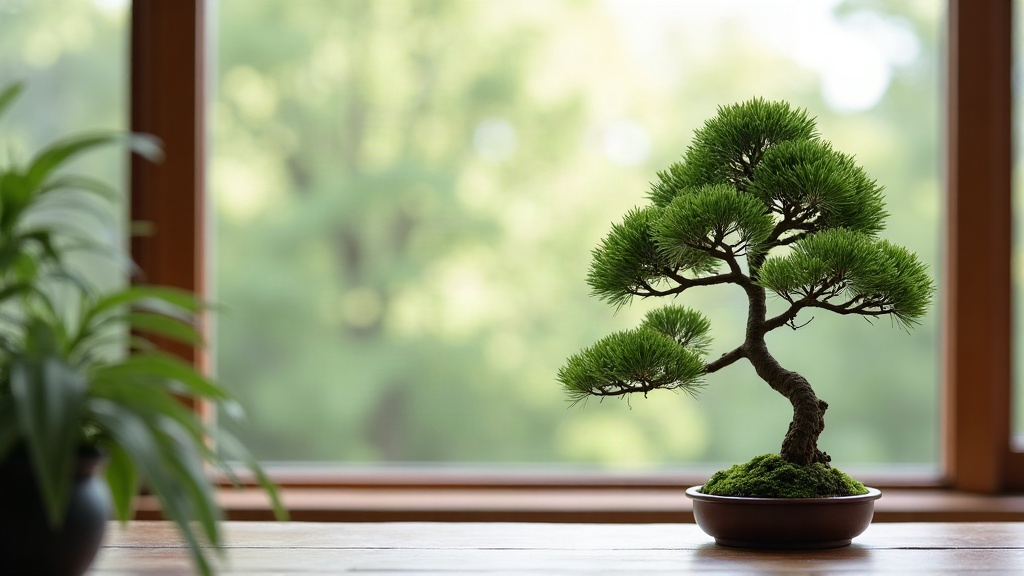
There is nothing wrong with enjoying a juniper indoors briefly. In Japan, and in many homes elsewhere, bonsai are often displayed for a special moment and then returned to the garden or bench. The mistake is not bringing the tree inside. The mistake is forgetting that the display is temporary.
As a practical guide, a healthy juniper can usually spend a short stretch indoors for appreciation if it goes back outside promptly. A day or two is easy. Several days can be fine if the tree is already vigorous. Stretching that into weeks, especially in a dim room with conditioned air, is where trouble begins.
I tell students to think of indoor display as you would think of cutting flowers and placing them in a room, except bonsai are still living long-term companions. The display matters, but the life of the plant matters more.
Indoor display versus long-term placement
| Situation | Reasonable? | What to watch for |
|---|---|---|
| Indoors for a dinner, gathering, or weekend | Yes | Keep away from heating vents, very dry air, and dark corners |
| Near a bright window for one week | Sometimes | Only if the tree is strong and returns outdoors afterward |
| Indoors all winter in a heated room | No | Lack of dormancy and low light usually cause gradual decline |
| Indoors year-round as a houseplant | No | This is the most common path to failure |
| Outdoor bench, balcony, patio, or garden with sun | Yes | Best long-term placement for health, color, and compact growth |
What a juniper bonsai actually needs
Sunlight
Junipers want strong light, ideally several hours of direct sun. Morning sun with open sky the rest of the day is already much better than most indoor settings. Full outdoor exposure encourages dense foliage, shorter internodes, and stronger root function. When light is weak, growth loosens, the tree loses vigor, and styling options become narrower.
Air movement
Outdoor air helps dry the foliage evenly and reduces the stale, damp conditions that can invite disease. Good airflow also keeps the tree physiologically active. This point is easy to overlook because we cannot see air, but the difference between a tree on an open bench and one in a closed room is profound.
Seasonal change
Junipers read the year through temperature and daylight. They need spring expansion, summer energy, autumn slowing, and winter dormancy. If you flatten those seasons into one indoor temperature band, the tree cannot behave as itself. It may survive for a while, but it stops thriving.
Careful watering
Junipers do not want permanently wet soil. Water thoroughly, then allow the soil to approach slight dryness before watering again. Indoors, the soil often stays wet longer because there is less wind and less sun. That makes root problems more likely. If you are building a beginner setup, a fast-draining bonsai mix is more useful than any decorative pot or accessory.
For growers refreshing old soil or setting up supplies, a tagged Amazon search for akadama pumice lava bonsai soil is a sensible place to start.
If you live in an apartment, can you still keep a juniper?
Often yes, if you have real outdoor access. A balcony, fire-escape-style exterior landing where permitted, open terrace, or bright shared patio can be enough. Junipers are less concerned with luxury than with honest outdoor conditions. Even a small space can work if it receives light and air and you can protect the tree from extreme neglect.
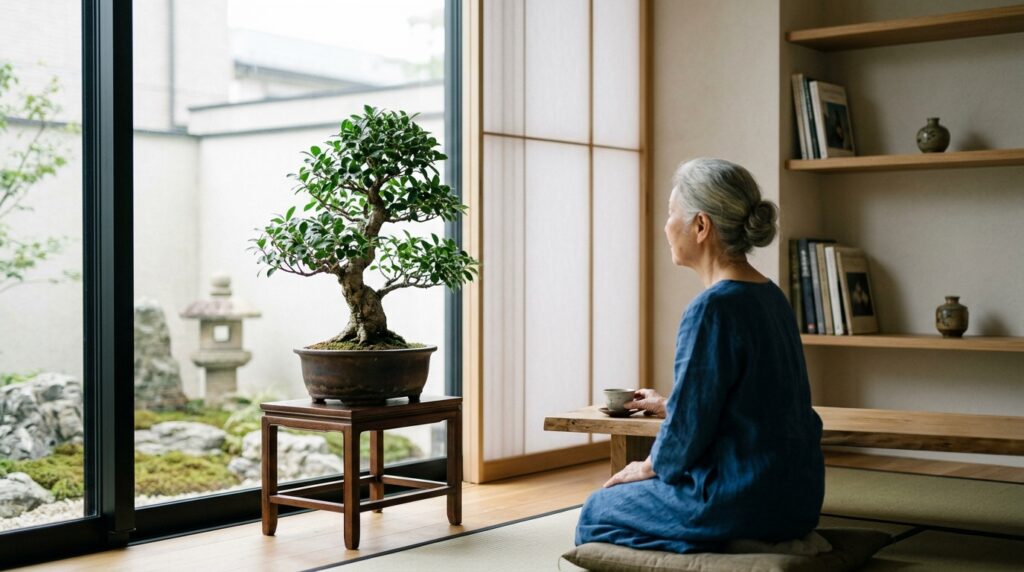
If your home offers no outdoor space at all, I would not recommend a juniper as your main bonsai species. That is not gatekeeping. It is species matching. A tree should suit the place where you live. If you want a bonsai to keep indoors most of the time, choose a species that genuinely tolerates indoor culture better, such as ficus. You will learn more from a tree that can answer your care with healthy growth than from a tree that spends a year slowly refusing your conditions.
One of the more useful lessons in bonsai is that discipline begins with choosing the right material. Not every beautiful tree is right for every home.
How to care for a juniper outdoors through winter
This is where many beginners hesitate. They understand that junipers should live outdoors, then become anxious when winter arrives and assume the tree must be rescued into the house. In most climates, that instinct causes more harm than the cold itself.
A healthy juniper bonsai needs winter dormancy, but it does need some protection because bonsai roots are confined in shallow pots. In the ground, a juniper has the thermal buffer of the earth. In a bonsai container, the roots are more exposed to repeated freeze-thaw cycles, drying winds, and extreme temperature swings.
A simple winter approach works well in many regions:
- Keep the tree outdoors after autumn cooling so it can enter dormancy naturally.
- Place it in a protected spot once hard freezes become regular, such as against a wall, in an unheated shed with light, a cold frame, or tucked out of strong wind.
- Protect the pot and root zone more than the foliage. The roots are the vulnerable part.
- Water occasionally through winter when the soil is becoming dry, especially during milder spells.
- Do not move the tree repeatedly between a warm room and outdoor cold.
In my own practice, the trees that winter best are rarely the ones fussed over most. They are the ones placed carefully, checked steadily, and left in stable cold conditions. Repeated interference is usually more damaging than a well-managed cold season.
If you need winter protection materials, a category search for frost blanket plant covers can be useful, especially for exposed balconies. For routine maintenance, many growers also keep aluminum bonsai wire and concave bonsai cutters on hand, though tools matter less than placement and timing.
Signs your juniper is not happy indoors
The difficulty with junipers is that they do not always complain quickly. A tropical plant may yellow or wilt within days. A juniper may hold color while weakening internally. That delay teaches the wrong lesson to beginners.
Watch for these signs:
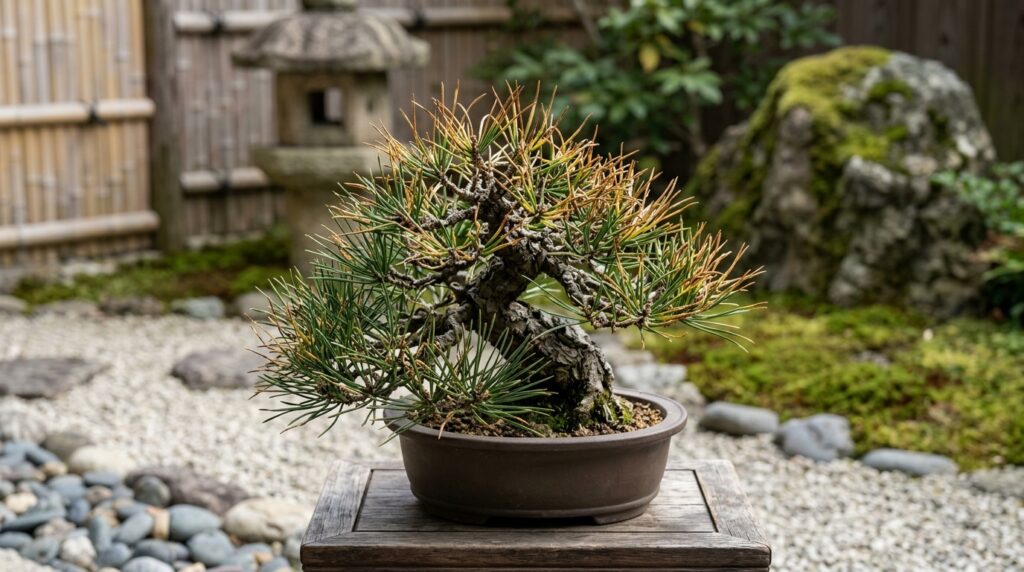
- Foliage becoming dull, brittle, or gray-green rather than lively and firm
- Weak, leggy extension instead of tight, compact growth
- Inner foliage shedding faster than normal
- Soil staying wet too long after watering
- Progressive dieback starting from branch tips or interior sections
If the foliage turns fully brown and crisp across large sections, the problem is often already advanced. That is why prevention matters so much with this species. A juniper usually rewards correct placement more than corrective rescue.
What to do if your juniper has been kept indoors already
Move it outside, but do so with some judgment. If the tree has been in a dim room for a long time, placing it immediately into harsh afternoon sun during hot weather can add stress. Start with bright outdoor shade or gentle morning sun for several days, then increase exposure. From there, focus on the basics: proper watering, no heavy pruning, no repotting out of season, and no styling work until the tree shows healthy recovery.
Do not try to fix weakness with fertilizer alone. Fertilizer supports growth when a tree is able to grow. It does not create strength out of poor conditions. A simple moisture tool can help cautious beginners avoid watering by habit; if that would help your setup, a tagged search for soil moisture meters for plants is reasonable, though your finger and attention remain the better long-term instruments.
Most importantly, give the tree time. Junipers recover slowly and reveal their health slowly. Patience here is not a slogan. It is practical technique.
FAQ
Can a juniper bonsai live indoors by a sunny window?
Not as a permanent arrangement. A sunny window is usually still too dim compared with outdoor sun, and it does not provide the airflow and seasonal cycle a juniper needs.
How long can I keep a juniper bonsai indoors?
A short display period is fine for a healthy tree. Think in days, not in seasons. The longer it stays indoors, the more the risk rises.
Should I bring my juniper bonsai inside during winter?
Usually no. It should stay outdoors for dormancy, with protection for the pot and roots during severe cold. An unheated protected area is often better than a heated room.
What bonsai species is better if I want an indoor tree?
Ficus is the usual first recommendation because it handles indoor conditions much better than juniper. If your living situation is fully indoors, choose a species that matches that reality.
Can a juniper recover after being kept indoors too long?
Sometimes, yes, if there is still live, flexible foliage and the roots are functional. Move it outdoors gradually, stabilize care, and avoid extra stress while it rebuilds strength.
A juniper bonsai can visit the house, but it should not live there. If you remember that single principle, many other care decisions become clearer, and the tree has a much better chance to age with dignity.