I may earn a small commission from qualifying purchases through the product links in this article, at no extra cost to you.
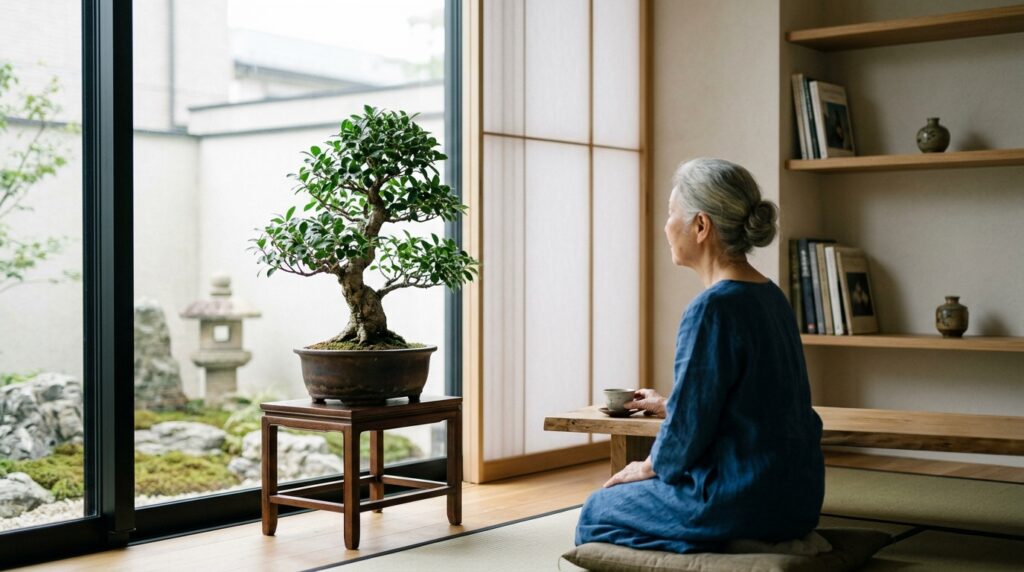
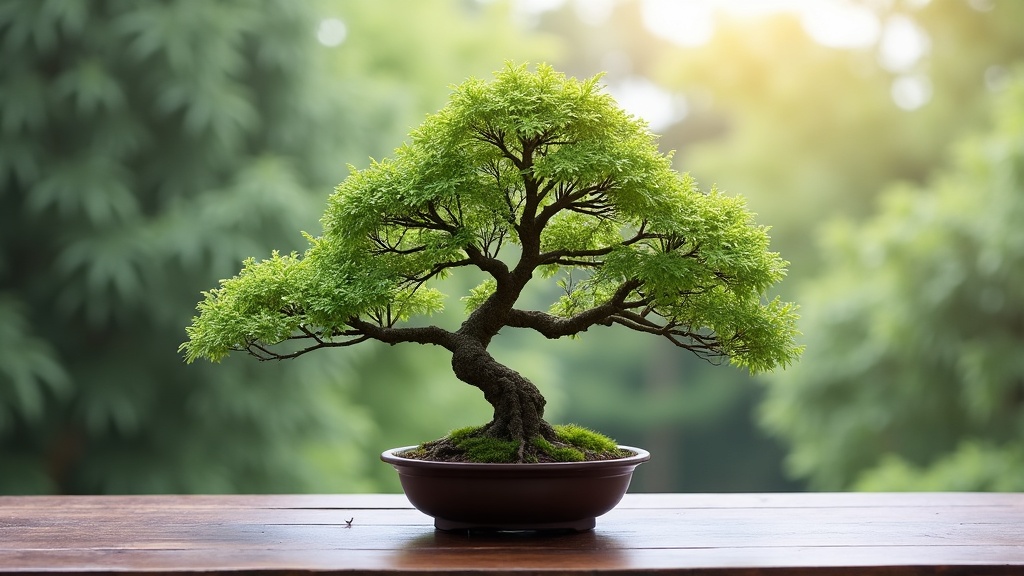
I have kept Chinese elm bonsai for many years, and the short answer is this: a healthy Chinese elm bonsai can live for several decades, and often far longer than its owner expects. When it is grown with good seasonal care, proper root work, and patience rather than constant interference, it is one of the longer-lived bonsai species a beginner can own.
That answer matters because many people ask the wrong question. They ask how long the species lives, when the more useful question is how long the tree can remain vigorous in a pot. A Chinese elm in the ground may outlive generations. A Chinese elm bonsai lives a long time too, but only if the grower understands that longevity comes from rhythm: light, water, root space, pruning, and periods of rest arriving at the right time.
In my experience, Chinese elm is forgiving without being careless. I have seen neglected trees recover after a hard season, and I have also seen young healthy specimens decline quickly under the hands of owners who loved them too anxiously. Bonsai life is rarely shortened by one dramatic mistake. More often, it is shortened by small, repeated mismatches between the tree and the care it receives.
How long does a Chinese Elm bonsai live in practice?
Most Chinese elm bonsai, if they are reasonably well cared for, can live 30 to 50 years in cultivation without this being unusual at all. Well-developed trees in skilled hands can go much longer. It is not difficult to imagine a Chinese elm bonsai becoming a lifetime tree, and some become family trees that pass from one keeper to the next.
The reason is simple. Chinese elm is resilient, adaptable, and eager to produce new growth. It tolerates pruning well, responds strongly after root work, and generally gives clear signals before serious decline. That does not make it indestructible, but it does make it suitable for long-term bonsai culture.
I often tell students that Chinese elm has a generous nature. If you make a moderate mistake and correct it soon, the tree usually answers with new buds and fresh extension. That capacity for recovery is one reason the species survives so well over decades compared with fussier bonsai subjects.
What decides whether it lives 5 years or 50?
The biggest difference is not age at purchase. It is whether the tree is treated as an indoor decoration or as a seasonal woody plant. Chinese elm can tolerate indoor conditions for stretches, especially in bright windows or under strong grow lights, but it does not truly thrive in dim, warm, stagnant rooms year after year.
These are the main factors that determine lifespan:
- Light: Strong light supports dense growth, smaller internodes, and a healthier energy balance. Weak light produces leggy growth and a slow decline that some owners mistake for normal aging.
- Watering skill: Not a schedule, but observation. Water when the soil is approaching dryness at the surface, then water thoroughly. Constant wetness weakens roots faster than many beginners realize.
- Root health: Periodic repotting into an appropriate bonsai soil keeps oxygen in the root zone and prevents the exhausted, compacted mass that slowly suffocates old container trees.
- Seasonal rest: Even semi-evergreen Chinese elms benefit from a natural annual cycle. A tree that never experiences a proper cool season often loses vigor over time.
- Pruning judgment: Frequent pinching alone can make a tree dense on the outside and weak inside. Long life comes from alternating refinement with periods of free growth.
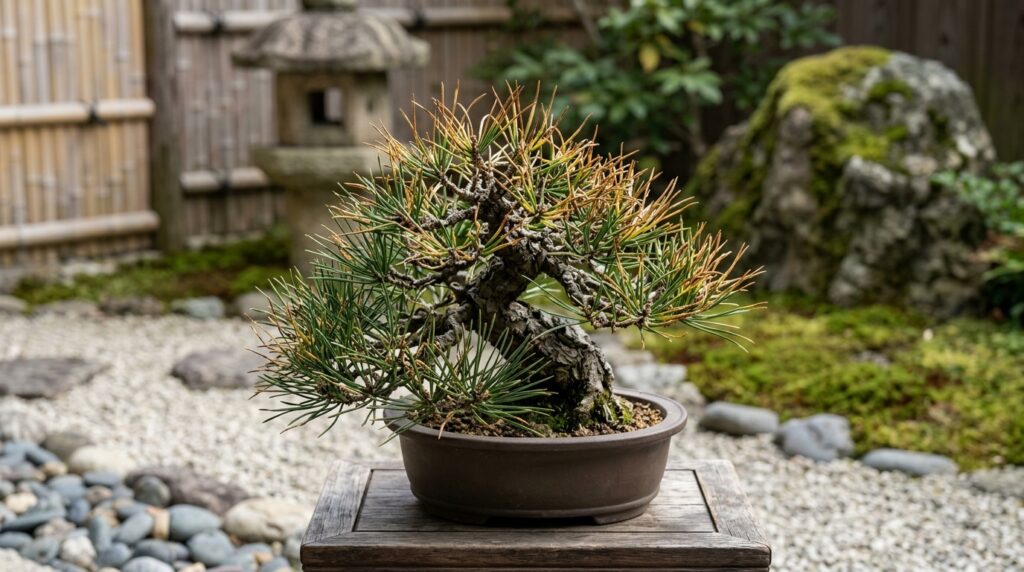
- Pest and disease control: Spider mites, scale, fungal issues, and root problems are manageable when noticed early, but draining when ignored.
If I had to reduce it to one sentence, I would say this: a Chinese elm bonsai lives a long time when its roots stay healthy and its yearly cycle stays believable.
Chinese elm lifespan by care style
| Care approach | What usually happens | Likely lifespan outcome |
|---|---|---|
| Bright outdoor growing with seasonal protection | Strong roots, tighter growth, better dormancy rhythm, faster recovery after pruning and repotting | Best chance of several healthy decades |
| Mostly indoor, but in strong sun or under quality grow lights | Can stay healthy if watering and humidity are managed carefully, though growth rhythm is less natural | Good medium to long-term potential with attentive care |
| Indoor decorative placement with weak light | Extended shoots, leaf drop, weak back budding, recurring pest pressure, gradual root decline | Often short-lived despite looking acceptable at first |
| Overwatered organic soil with infrequent repotting | Compacted root zone, poor oxygen, weak vigor, branch dieback from the inside | Common path to early decline |
This is why Chinese elm is often recommended when people ask, Are Chinese Elm bonsai suitable for beginners? Yes, they are, but only if the beginner is willing to learn outdoor tree logic. The species forgives inexperience better than many others. It does not forgive being treated like a permanent coffee-table plant.
Why Chinese elm often outlives beginner bonsai species
Chinese elm sits in a useful middle ground. It is more tolerant than Japanese maple in heat and watering inconsistency, and usually less temperamental than many flowering bonsai sold to new hobbyists. It also responds better to correction than juniper in some common beginner situations, especially after missed watering or clumsy pruning.
That is not because it is coarse. A mature Chinese elm can become elegant, with fine twigging, plated bark, and a quiet winter silhouette. But the tree builds that refinement through repeated healthy cycles. Long life and beauty come from the same foundation.
One thing I have noticed over years of teaching is that beginners succeed with Chinese elm when they let it grow a little stronger than they think is necessary. People often begin pinching too early because they want the bonsai to stay neat. A slightly untidy elm in active growth usually has a longer future than a constantly tidied elm with weak interior buds.
How to extend the life of a Chinese Elm bonsai
Give it real light
Outdoors is usually best for most of the year, with protection during severe frost depending on your climate. If you keep it indoors for part of the year, place it in the brightest possible window and consider a proper grow-light setup. If you need one, a practical starting point is a full-spectrum grow light for bonsai rather than a weak decorative lamp.
Use open, breathable soil
Many short-lived mall bonsai spend too long in heavy organic soil that stays wet at the center after the surface appears dry. Chinese elm wants moisture, but it also wants air around the roots. A granular bonsai mix with akadama or similar particles is much safer long term than dense peat-heavy soil. If you are rebuilding a weak root system, a granular bonsai soil mix is one of the few purchases that genuinely changes outcomes.
Repot by root condition, not impatience
Younger, vigorous trees may need repotting every 1 to 2 years. More mature specimens often go 2 to 4 years, sometimes longer, depending on soil breakdown and root density. The mistake is not waiting a little too long once. The mistake is leaving a tree in exhausted soil because the top still looks alive.
When repotting, I prefer to preserve a stable, radial root base and remove congestion gradually. Chinese elm tolerates fairly assertive work, but there is no prize for proving that. If the tree is old, recently stressed, or being transitioned from poor nursery soil, I work in stages and protect strength first.
Prune for structure, not only for neatness
Chinese elm responds well to clip-and-grow, and that is one reason it can become old gracefully. Strong shoots can be cut back to encourage ramification, while sacrifice growth can be allowed in selected areas to thicken a branch or repair taper. Use clean cutters; a simple pair of bonsai pruning shears is more useful than a large kit of mediocre tools.
I have kept old elms healthier by leaving one or two extension shoots longer than the owner wanted. That small act keeps sap moving strongly through sections that might otherwise weaken. Longevity is often supported by these plain, practical decisions.
Wire carefully and briefly
Chinese elm branches can mark more quickly than some beginners expect, especially in active growth. If wiring is needed, use appropriate gauge aluminum wire, check it often, and remove it before it bites deeply. For most routine refinement, pruning can do more than wiring. When you do need branch placement tools, anodized aluminum bonsai wire is the sensible general choice.
Common reasons Chinese elm bonsai die early
Early death usually has ordinary causes. The species is durable, so decline is often gradual enough to intervene if you are attentive.
- Keeping it too dark for too long. The tree survives, then weakens, then invites pests.
- Overwatering in compact soil. Owners think the tree is thirsty because leaves yellow, but the real problem is damaged roots.
- Skipping repotting for years. The tree becomes a root brick with little oxygen or buffering capacity.
- Pruning a weak tree as if it were vigorous. Refinement work should follow strength, not replace it.
- Winter mistakes. Either exposing a shallow pot to severe freeze without protection, or keeping the tree too warm all winter without enough light.
- Buying poor starter material and never correcting the setup. Many entry-level bonsai are sold in decorative soil and unsuitable conditions from the first day.
One quiet lesson from old bonsai benches is that survival rarely looks dramatic. A long-lived tree simply continues. The owner notices buds opening on time, roots smelling fresh at repotting, and branch tips maturing evenly across the silhouette. Those modest signs matter more than any single styling milestone.
Is an old Chinese elm bonsai harder to care for?
Not necessarily, but it does ask for more judgment. A mature Chinese elm with established branching can be very stable. In some ways it is easier than a young, rank-growing tree because its structure is clearer and its vigor is more balanced. The challenge is that older bonsai punish rough timing. Heavy root reduction, aggressive defoliation, or constant rewiring is less appropriate once the tree is carrying age and refinement.
I become more conservative as a Chinese elm becomes better. Younger stock can be pushed to build a trunk and primary branches. A finished or nearly finished tree should be handled with narrower, quieter interventions. That shift in approach is part of why some specimens live so long. Their owners eventually stop trying to improve them all at once.
FAQ
Can a Chinese elm bonsai live indoors forever?
It can survive indoors for long periods if the light is genuinely strong and the care is disciplined, but it generally lives longer and grows better with an outdoor seasonal cycle. Indoors without strong light is the common reason these trees decline early.
Are Chinese Elm bonsai suitable for beginners?
Yes. They are one of the better beginner species because they recover well, respond clearly to pruning, and tolerate a reasonable amount of inexperience. The key is to learn proper watering and give them enough light rather than relying on the label that says ?indoor bonsai.?
How often should I repot a Chinese elm bonsai?
Usually every 1 to 2 years for younger vigorous trees, and every 2 to 4 years for more mature bonsai. Check the root mass and soil breakdown rather than following the calendar blindly.
Do Chinese elm bonsai lose their leaves?
Often yes, especially in cooler conditions where they behave more deciduously. Some stay partly evergreen in warm climates or indoor settings. Leaf drop by itself is not a problem; weak pale growth and repeated decline are the concerns.
What is the best way to help a weak Chinese elm live longer?
Improve light, correct the watering pattern, and assess the soil before doing styling work. In many cases the most life-extending decision is to stop pruning for a season and let the tree rebuild strength.
Author
Kenji is a bonsai practitioner with 20 years of experience, trained in Osaka and Kyoto. He writes for WabiBonsai with a calm, technical approach that values seasonal rhythm, sound horticulture, and the quiet maturity that comes with time.