Disclosure: If you buy through links on this page, I may earn a small commission at no extra cost to you.
I tell students this first: in Feng Shui, the most auspicious spot for a bonsai tree is usually the east or southeast area of the home, placed where it receives healthy natural light and where its shape can be appreciated without crowding the room. If the tree is not thriving, the placement is not auspicious in any meaningful sense, no matter how favorable the compass direction sounds.
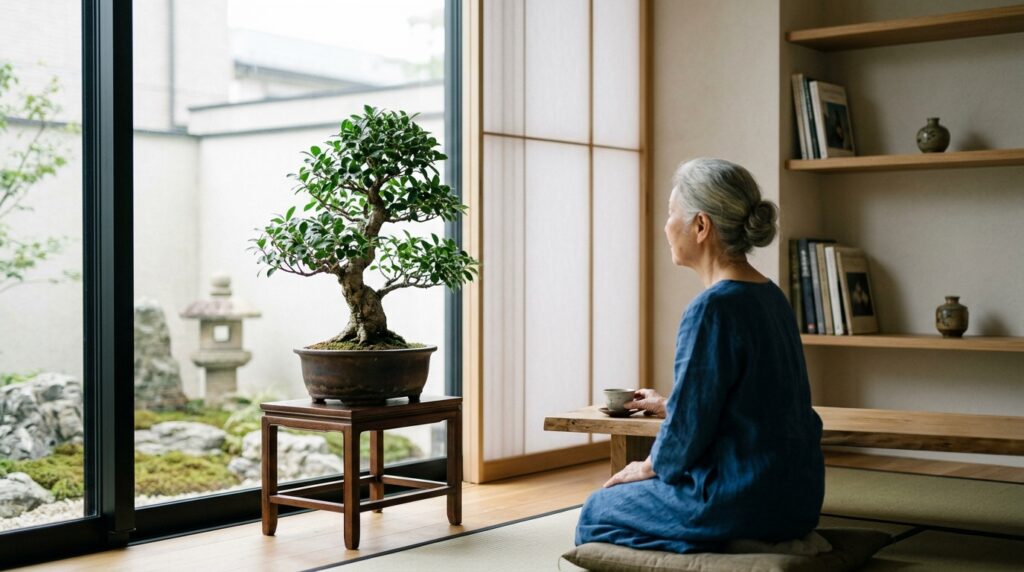
That is the part many people miss. Bonsai is still a living tree in a pot, not a symbol you can set on a dark shelf and expect to quietly improve the room. Over twenty years of practice, and many mornings adjusting trees in tokonoma alcoves, entry spaces, and bright apartment windows, I have found that good Feng Shui and good bonsai care agree more often than they conflict: the best position supports growth, visual calm, and proportion.
My short answer
If you want one dependable rule, place your bonsai in the east or southeast part of your home, near a bright window with gentle morning light, clear airflow, and enough open space around the tree to let its silhouette breathe. In Feng Shui terms, these areas are associated with wood energy, growth, health, and steady prosperity. In bonsai terms, they also tend to be the easiest places to keep many trees healthy indoors for at least part of the day.
For most homes, that means an east-facing window, a bright corner just inside a southeast exposure, or a stand near the entry of a well-lit room if drafts and heat vents are not a problem. I prefer a placement where the tree is visible as you enter or sit down, but not where elbows, bags, or children will brush past the foliage every hour.
Why east and southeast are considered most auspicious
In classical Feng Shui, the wood element is strengthened in the east and southeast sectors. Since a bonsai is literally a cultivated tree, those directions naturally suit it. The east is commonly associated with family, vitality, and renewal. The southeast is often linked to abundance, steady expansion, and cultivated good fortune. A healthy bonsai in either area can feel quietly appropriate because the symbolism matches the material reality.
I am careful, though, not to overstate symbolism. A weak juniper turning pale in a dim corner does not radiate prosperity. It radiates stress. One thing I learned early in Kyoto display training is that placement must honor the tree?s condition first. A bonsai that receives proper light, stable humidity, and thoughtful spacing will create a more grounded atmosphere than one placed according to theory alone.
The east side is often the safer choice for beginners because morning light is useful but less harsh than strong western sun. The southeast can also be excellent, especially for tropical or subtropical bonsai that enjoy more brightness. If your southeast window is intense and hot by midday, add a sheer curtain or move the tree slightly back from the glass rather than insisting on a perfect Feng Shui line.
Best room-by-room placement for a bonsai tree
| Location | Feng Shui value | Bonsai care value | My guidance |
|---|---|---|---|
| East-facing living room window | Very favorable for growth and renewal | Usually excellent morning light | Best all-around choice for many homes |
| Southeast corner near bright window | Favorable for cultivated prosperity | Good if light is strong but not scorching | Very good for ficus, jade, and tropical species |
| Entryway with natural light | Welcoming, calming, and visible | Only good if genuinely bright | Good accent spot, poor if dim or drafty |
| Home office desk near window | Supports focus and steady energy | Fine for small tropical bonsai | Choose compact species and avoid clutter |
| Bedroom | Sometimes considered too active for rest | Often too dark for the tree | Usually not my first choice |
| Kitchen | Can be lively, but unstable | Heat, grease, and dryness are problems | Avoid unless the spot is unusually suitable |
| Bathroom | Mixed symbolism | Low light is the usual issue | Rarely appropriate except for very bright bathrooms |
If readers ask me for a single placement without a long consultation, I usually suggest a small stand or narrow table near an east-facing living room window. If that window gets excellent light but the sill itself is cramped, a simple bonsai plant stand gives the tree presence without forcing it into an awkward ledge.
How species changes the answer
Not all bonsai should be treated the same. This matters more than many Feng Shui summaries admit.
Juniper, pine, and most temperate outdoor bonsai
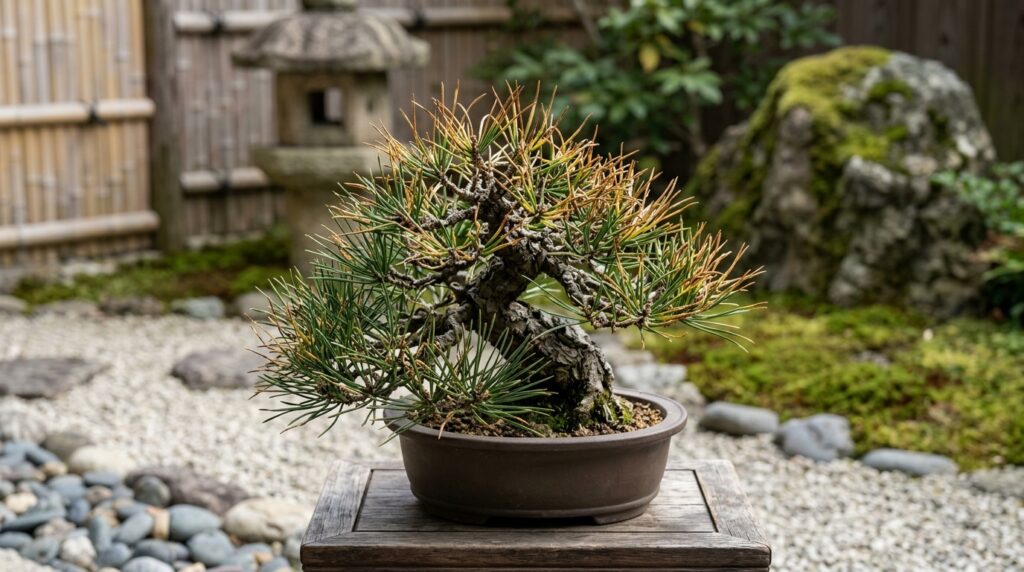
These are not true indoor bonsai. If you keep a juniper indoors full time because you want it in the southeast wealth corner, you are choosing symbolism over horticulture, and the tree will usually pay the price. For these species, the most auspicious spot is outdoors in proper sun and seasonal conditions. If you bring one inside briefly for appreciation, do it for a short display period only.
Ficus, jade, fukien tea, and other tropical or subtropical bonsai
These species are much more realistic for indoor placement. A bright east or southeast window is often ideal. Ficus in particular tolerates indoor life better than most beginners expect, though it still wants strong light. If natural light is weak, a discreet full-spectrum grow light for bonsai can make the difference between a decorative object and a healthy tree.
Flowering and fruiting bonsai
These need even more thought. If your aim is bloom or fruit, light intensity matters greatly. Feng Shui placement should be secondary to what the species needs seasonally. A satsuki azalea in a dark ?auspicious? corner will not reward you for the effort.
Places I would avoid, even if they seem symbolically attractive
There are several spots that people choose for emotional or decorative reasons, but I rarely recommend them.
- Directly beside a heater, radiator, or AC vent: the air movement dries foliage and soil too quickly.
- On top of a television cabinet: the tree often ends up too high, too hot, and visually disconnected from the room.
- In the center of a busy walkway: the tree may be ?visible,? but it will also be bumped, turned, and stressed.
- In a dark bathroom or hallway: low light quietly weakens the tree over time.
- On a cluttered shelf: Feng Shui aside, a bonsai loses its calm effect when surrounded by visual noise.
One of the quiet lessons bonsai teaches is that negative space matters. A tree needs room around it. In my own displays, the feeling improves as soon as I remove one unnecessary object from nearby surfaces. The tree does not need decoration around it. It needs breathing space.
How to make an auspicious placement actually work
A good spot is not just about direction. It is the combination of light, height, background, airflow, and maintenance access.
Choose a stable viewing height
Bonsai is usually best appreciated around chest to eye level when seated or slightly below eye level when standing. Too low, and it disappears into the room. Too high, and it becomes something you look up at like a houseplant on a cupboard. I prefer a modest stand that lets the trunk line and nebari feel grounded.
Use a simple, calm background
If the wall behind the tree is busy with frames, cords, or strong patterns, the bonsai loses presence. A plain wall, soft curtain, or quiet corner is more supportive than elaborate staging. This is one place where wabi-sabi and Feng Shui speak the same language: restraint is usually stronger than display.
Protect humidity without making the area messy
Indoor air can be dry, especially near windows in heated or air-conditioned rooms. A shallow bonsai humidity tray can help buffer the immediate environment and protect furniture from runoff. It is not a cure for poor care, but it does make a bright placement easier to manage cleanly.
Keep the tree easy to turn, inspect, and prune
The best Feng Shui spot is useless if maintenance becomes awkward. You should be able to inspect the foliage, rotate the tree for even light, and water thoroughly without dreading the process. A small aluminum bonsai wire set is helpful if you are refining a tree for a particular room position and want to subtly adjust branch direction toward the main viewing angle.
What I recommend for different goals
If your goal is harmony in the room
Choose the east side of the living room, a simple stand, and one compact tropical bonsai with a clean silhouette. Ficus microcarpa, dwarf jade, or a well-trained fukien tea can work. Keep the surrounding surface quiet. This is the most forgiving approach.
If your goal is prosperity symbolism
Use the southeast sector, but be selective about species and scale. I would lean toward a healthy ficus or jade rather than an unsuitable conifer kept indoors. The tree should feel steady, not strained. Prosperity symbolism works best when the plant looks genuinely vigorous.
If your goal is meditation and daily attention
Place the bonsai where you will actually see it each morning, often near the breakfast table, tea corner, or reading chair if those spots have real light. One thing I have observed while teaching is that trees improve when owners pass them often enough to notice small changes. Good placement encourages care.
Common mistakes when mixing Feng Shui and bonsai care
- Choosing direction before checking light. Compass logic should not override the tree?s biological needs.
- Treating all bonsai as indoor plants. Many classic bonsai species belong outdoors year-round.
- Using the bonsai as decor first and a living tree second. This almost always leads to decline.
- Placing a large tree in a cramped corner. Scale matters. The tree should suit the room.
- Ignoring maintenance practicality. If watering the tree is inconvenient, neglect follows.
When students send me photos of a bonsai that ?does not feel right? in a room, the issue is usually not mysterious. It is often one of three things: the tree is too dark, too crowded, or the species is wrong for the location. Solving those basic problems brings the room into balance faster than chasing symbolic perfection.
FAQ
Can I place a bonsai tree at the front door?
Yes, if the entry receives enough natural light and the tree is protected from drafts, heavy traffic, and temperature swings. A bright entry can be an excellent welcoming placement. A dim, frequently opened doorway usually is not.
Is it bad Feng Shui to keep a bonsai in the bedroom?
Not always, but I rarely prefer it. Bedrooms are often too dark, and some people find a plant with strong visual presence less restful there. If you use the bedroom, keep the tree small and make sure the light is genuinely adequate.
Which bonsai is best for indoor Feng Shui?
For most people, ficus is the safest answer because it tolerates indoor conditions better than many traditional bonsai species. Jade can also work well in bright conditions. Juniper is beautiful, but it is usually a poor indoor choice.
Should a bonsai be in sunlight for good Feng Shui?
Usually yes. Healthy light supports healthy growth, and a healthy tree creates a more settled atmosphere. For indoor placements, bright indirect light or gentle direct morning light is often best, depending on species.
Can I put more than one bonsai in the same room?
Yes, but be careful. Too many trees in one small room can feel busy rather than calm. I prefer one primary bonsai and, at most, a second smaller companion in a separate visual zone.
The most auspicious place for a bonsai is the place where the tree can live well and the room can breathe around it. In most homes, that points to the east or southeast, near honest light, with enough space for the tree?s structure to speak quietly for itself.