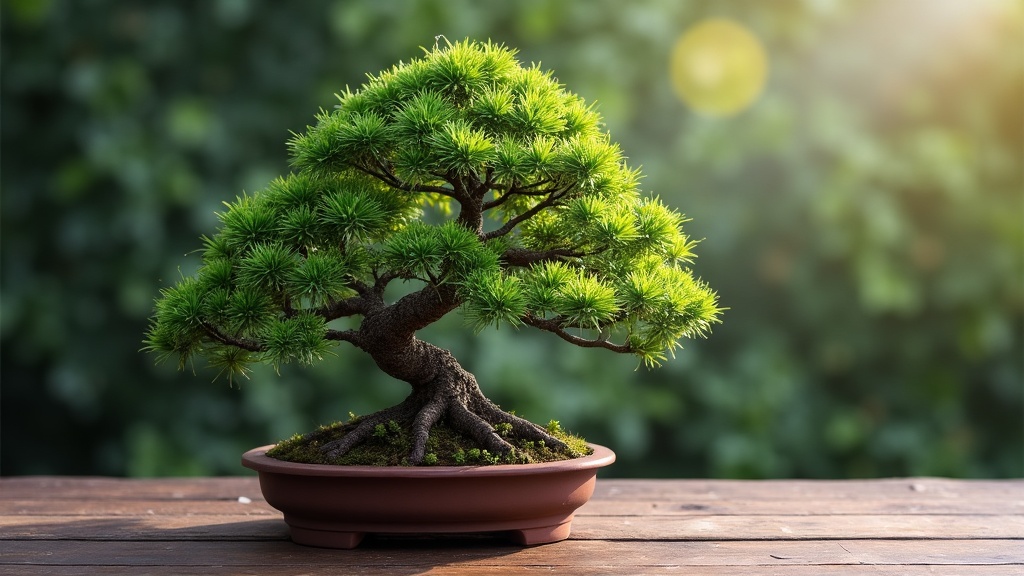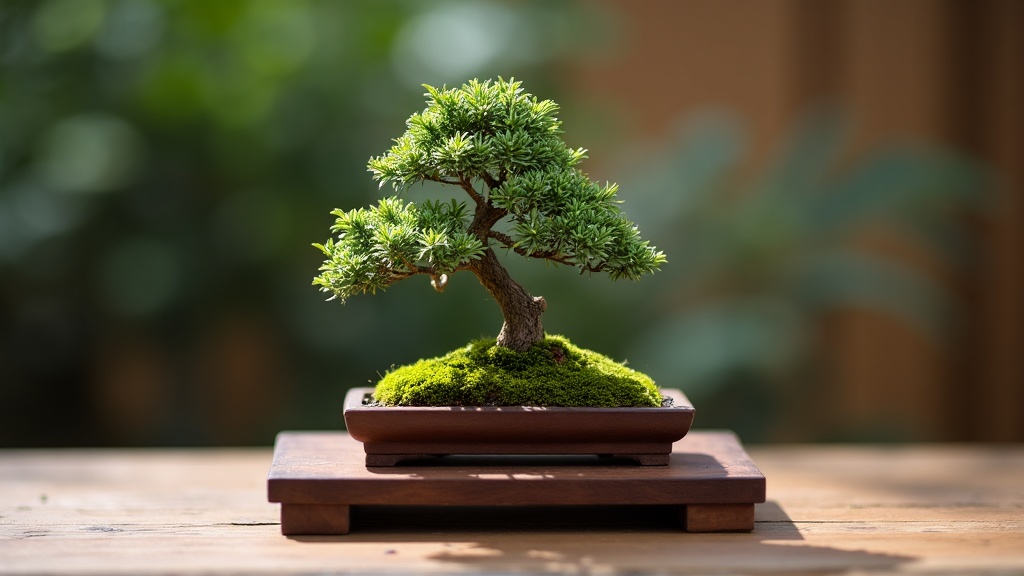
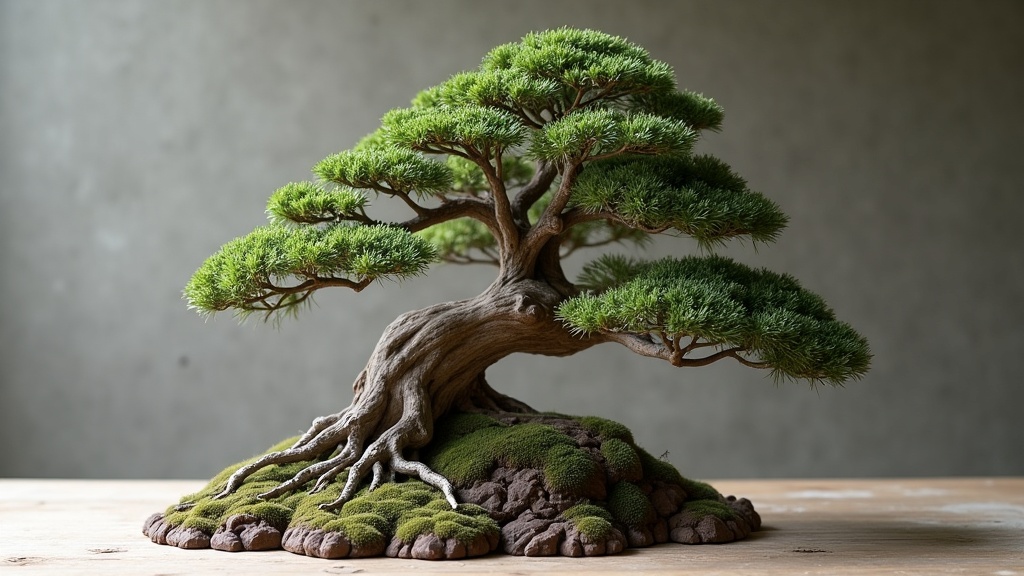
Wabi-sabi is not just an aesthetic—it is the soul of authentic bonsai practice. After twenty years of cultivating trees in the traditional Japanese style, I’ve learned that the most profound beauty in bonsai comes not from perfection, but from embracing the weathered bark, the asymmetric branch, and the passage of time itself.
Understanding Wabi-Sabi in the Context of Bonsai
During my training in Osaka and Kyoto, my teachers repeatedly emphasized a concept that Western practitioners often struggle to grasp: perfection in bonsai is an illusion. Wabi-sabi—the Japanese aesthetic philosophy that finds beauty in imperfection, impermanence, and incompleteness—forms the philosophical foundation of every ancient bonsai I’ve encountered.
The term itself combines two concepts: wabi, which suggests rustic simplicity and quiet elegance, and sabi, which refers to the beauty that comes with age and wear. When you apply these principles to bonsai cultivation, you stop chasing the manicured perfection seen in photographs and start honoring what the tree naturally becomes.
The Three Pillars of Wabi-Sabi Bonsai
In my practice, I focus on three core principles that unite wabi-sabi philosophy with bonsai cultivation:
- Imperfection (Fukinsei): A trunk that curves unexpectedly, branches that grow asymmetrically—these “flaws” tell the story of a tree’s struggle and survival.
- Simplicity (Kanso): Restraint in styling, allowing negative space to speak as loudly as the tree itself.
- Naturalness (Shizen): Working with the tree’s inherent character rather than forcing it into predetermined forms.
Practical Applications: Seeing Beauty in the “Imperfect” Tree
When students bring me trees they consider “ruined” or “too flawed,” I see opportunities. A scar from a broken branch becomes a jin—a silvered deadwood feature that suggests age and survival. A twisted trunk that grew reaching for light becomes the central drama of the composition.
The Kikuwa concave branch cutter is my most-used tool precisely because it creates wounds that heal into natural-looking scars rather than smooth, artificial cuts. This is wabi-sabi in action—the tool itself is designed to create “imperfect” results that look more authentic than precision would allow.
Deadwood Features: Embracing Mortality
Nothing embodies wabi-sabi more than deliberately preserving and creating deadwood on your bonsai. Jin (deadwood branches) and shari (stripped bark on the trunk) remind us that trees, like all living things, carry both life and death simultaneously.
I create these features using jin pliers and wood carving tools, but the key is restraint. The deadwood should look like it happened naturally over decades, not like it was carved last Tuesday. I lime sulfur the exposed wood to bleach and preserve it, creating that distinctive silver-gray appearance that speaks of age and weather.
Wabi-Sabi vs. Western Perfectionism: A Comparison
| Western Approach | Wabi-Sabi Approach |
|---|---|
| Symmetry and balance as ideal | Asymmetry reveals natural growth patterns |
| Perfect, uniform foliage pads | Irregular canopy suggesting wild growth |
| Hide scars and imperfections | Feature scars as evidence of survival |
| Constant intervention and wiring | Minimal intervention; patience for natural development |
| New pots with clean lines | Aged, weathered pots with patina |
| Trees as objects to perfect | Trees as teachers of impermanence |
Selecting and Styling Trees with Wabi-Sabi in Mind
When I visit nurseries or collect yamadori (wild trees), I’m drawn to material that others overlook. The juniper with a naturally hollow trunk. The pine with weathered bark and sparse foliage. The maple with an interesting bend from growing in harsh conditions. These trees already possess wabi-sabi qualities—my job is simply to reveal and enhance them.
Working with Aged Bark and Natural Texture
One of the greatest expressions of wabi-sabi in bonsai is aged bark. Species like black pine, cork bark elm, and certain junipers develop incredible texture over time. Rather than rushing this process, I select mature material or use techniques that accelerate natural bark development.
For yamadori collection, I rely on sturdy tools like a Fiskars PowerGear lopper for initial field work, but the philosophy remains the same: take trees that have already lived full lives in harsh conditions. Their character is established; you’re just continuing their story in a pot.
The Role of Patina: Pots, Tools, and Display
Wabi-sabi extends beyond the tree itself. The pots I choose for my most cherished trees are rarely new. I seek out antique bonsai pots with mineral deposits, slight chips, and weathered surfaces. These imperfections don’t detract from the presentation—they enhance it by suggesting continuity and history.
My display benches are simple wood that has grayed naturally over seasons. My tools show honest wear from decades of use. In traditional Japanese bonsai gardens, even the stones in the viewing area are selected for their weathered appearance and natural moss growth.
Seasonal Change: Impermanence as Beauty
Western practitioners often want their trees to look “Instagram-ready” year-round. But wabi-sabi teaches us to appreciate each season’s distinct character—including the bare branches of winter, the yellowing leaves of autumn, and even the occasional browning of stressed foliage.
I keep a seasonal rotation using a display bench that allows me to feature different trees as they enter their most characterful seasons. A deciduous tree in winter, with its ramification fully visible and dusted with snow, embodies wabi-sabi perfectly—beauty in bareness, structure revealed through reduction.
Patience and Non-Attachment: The Inner Practice
The deepest lesson wabi-sabi offers to bonsai practitioners is psychological, not aesthetic. When you truly embrace imperfection and impermanence, you stop being devastated when a branch dies unexpectedly or a tree doesn’t respond to styling as planned. You begin to see these events as the tree’s natural expression rather than failures of your technique.
I’ve lost trees I worked on for years. I’ve had branches snap during wiring. I’ve watched carefully planned designs change direction entirely as trees grew in unexpected ways. Each time, wabi-sabi reminds me: this is not failure—this is the nature of working with living things.
The Practice of Acceptance
One exercise I teach students: spend time with your tree without tools. No pruning, no wiring, no correcting. Just observe what the tree is becoming. Often, the tree’s natural tendency—the “flaw” you’ve been trying to fix—is actually its most interesting feature. Wabi-sabi bonsai practice requires us to collaborate with the tree rather than dominate it.
Frequently Asked Questions
What is the difference between wabi-sabi and just letting a tree grow wild?
Wabi-sabi is not neglect. It’s intentional cultivation that emphasizes natural character over imposed perfection. You still prune, wire, and style the tree—but you work with its inherent tendencies rather than forcing it into rigid design templates. The tree shows restraint and refinement while retaining elements of wildness and age.
Can wabi-sabi principles apply to young, nursery-stock trees?
Absolutely. While aged material naturally expresses wabi-sabi qualities, you can cultivate this aesthetic even with young trees by focusing on asymmetry, creating interesting deadwood features, choosing movement over rigid symmetry, and selecting containers with character rather than pristine new pots. The philosophy is about your approach, not just the tree’s age.
Is wabi-sabi only for Japanese bonsai styles?
While wabi-sabi originates from Japanese philosophy, its principles can inform any bonsai tradition. Whether you’re working with Mediterranean olives, North American junipers, or tropical ficus, the core idea remains: honor the tree’s natural character, embrace the marks of time and weather, and find beauty in what is rather than what you wish it to be.
How do I know when to stop styling and let wabi-sabi guide the tree’s development?
This is the most difficult question and takes years to answer with confidence. My guideline: if you’re constantly fighting the tree’s natural growth pattern, you’ve moved away from wabi-sabi. If styling feels like a conversation where you suggest and the tree responds, you’re on the right path. Trust takes time to develop.
Can wabi-sabi coexist with formal bonsai exhibition standards?
Yes, with nuance. Traditional Japanese exhibitions deeply value wabi-sabi aesthetics—aged trees with natural character score highly. However, Western exhibitions sometimes prioritize technical perfection over philosophical depth. I recommend understanding both approaches: technical skill provides the foundation, but wabi-sabi provides the soul. The most memorable trees in any exhibition are those that transcend technique to embody something ineffable.
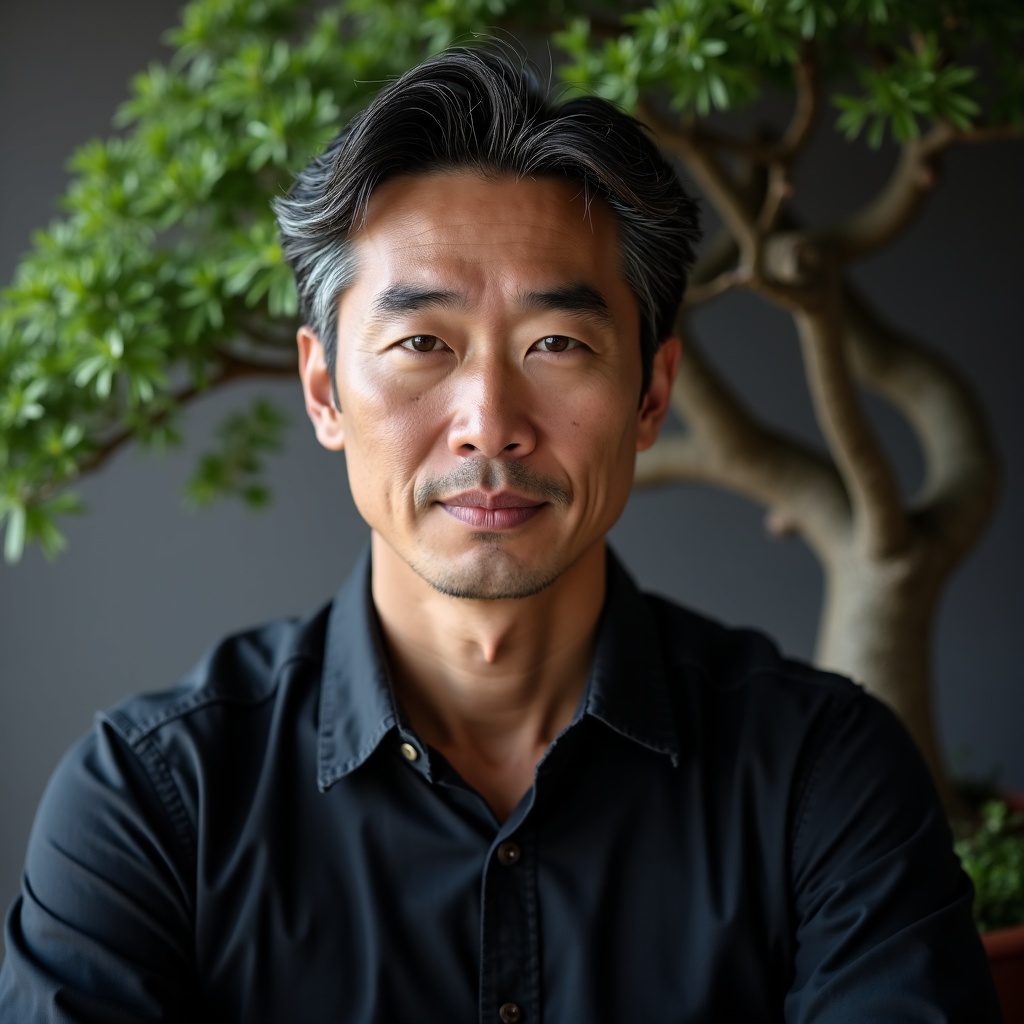
About Kenji
Bonsai Practitioner & Teacher — 20 Years
Kenji has practiced bonsai for over 20 years, training under master practitioners in Osaka and Kyoto before bringing his craft to Seattle. He approaches bonsai as a meditative discipline — rooted in patience, observation, and deep respect for the natural world. Read more about Kenji →