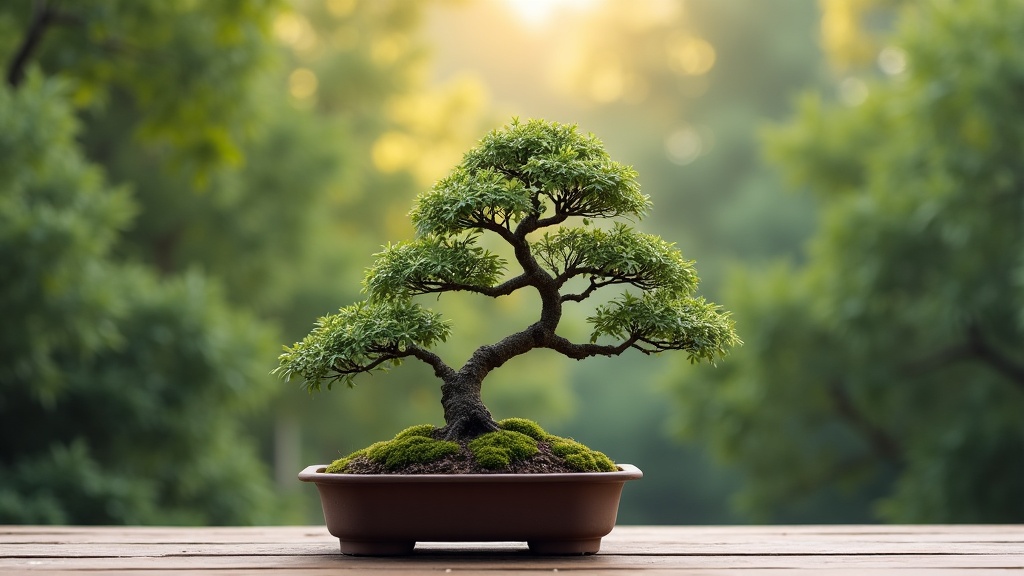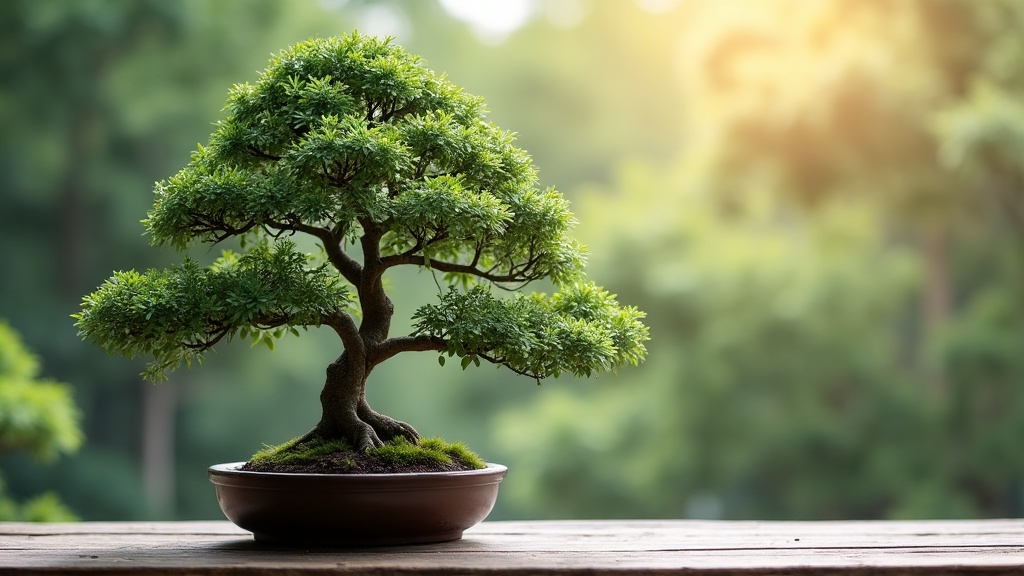
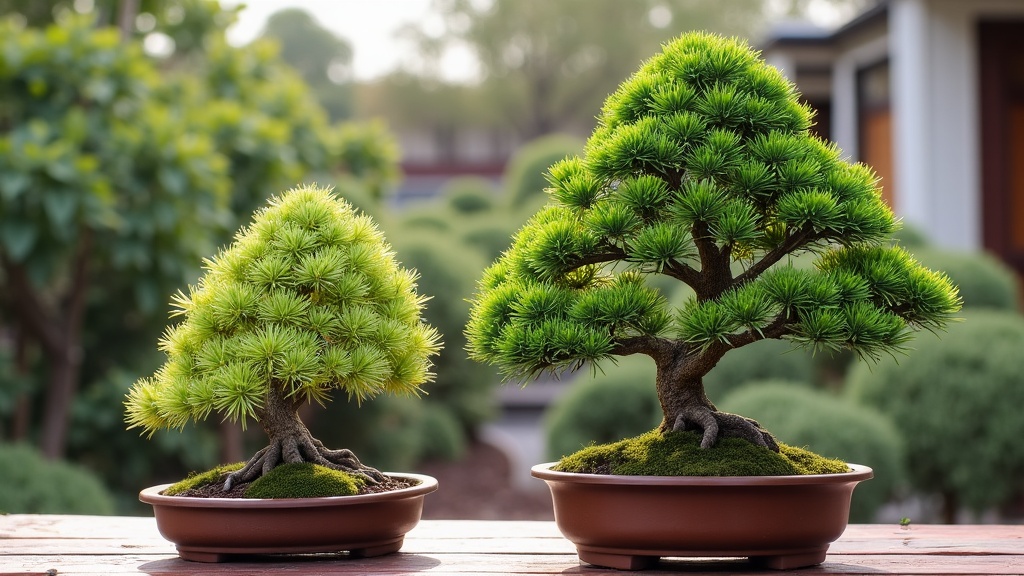
I’ve been working with bonsai for twenty years, and I’ll tell you something that might surprise you: some of my finest trees started their journey in the clearance section of a garden center. Not from a specialty nursery in Japan. Not from an expensive collector. From a plastic pot next to the fertilizer aisle, marked down to $15 because it looked scraggly.
The nursery is the best hunting ground. You’re not looking for finished art—you’re looking for raw material with potential. That’s where the real work of bonsai begins.
Why Nursery Stock Is Perfect for Beginners
When I train new students, I always start them with nursery stock. Always. There’s a wisdom in this approach that goes beyond just saving money.
First, yes, the cost is manageable. A $20 mistake is a lesson. A $500 mistake is a trauma that might end your bonsai journey before it truly begins. With nursery stock, you can afford to learn through experimentation. You can try that aggressive root pruning technique. You can test your wiring skills. If something goes wrong, you learn and move on.
Second, nursery stock develops faster than you’d expect. These plants have been grown in optimal conditions with plenty of fertilizer and water. They’re vigorous. When you put them into bonsai training, they respond quickly. You’ll see results in months, not decades. This feedback is crucial for learning.
Third, nursery stock is forgiving. The plants are young and flexible—literally. The branches bend easily. The roots recover from pruning. The trunk can still be shaped. A yamadori (wild-collected tree) or an old bonsai demands respect and expertise. Nursery stock gives you room to make mistakes.
My teacher in Osaka once told me: “The best bonsai artist is not the one who never kills a tree. It’s the one who learns something each time a tree dies.” Start with material you can afford to learn from.
What to Look for When Shopping: The Five-Minute Assessment
When I walk through a nursery, I can evaluate twenty plants in the time it takes most people to look at three. I’m not more talented—I just know what to look for. Here’s my method.
Trunk Taper
Look at the trunk from bottom to top. Does it narrow gradually, or does it stay the same width and then suddenly branch? Good taper is the foundation of natural-looking bonsai. A trunk that goes from thick at the base to thin at the apex suggests age and maturity. A trunk that’s uniformly cylindrical will always look like a stick in a pot.
Don’t worry if the taper isn’t perfect—we can create some movement and apparent taper through styling—but if the trunk is perfectly straight and uniform, you’re starting with a significant disadvantage.
Nebari (Surface Roots)
Gently brush away the soil at the base of the trunk. What do you see? Ideally, you want roots that radiate outward in all directions like the spokes of a wheel. This is called nebari in Japanese, and it’s one of the most important features of a well-developed bonsai.
Avoid plants with roots that circle the trunk, cross over each other, or emerge from just one side. These problems are difficult to fix later. If you see good radial roots—even just the beginning of them—you’ve found promising material.
Movement and Character
Stand back and look at the plant’s overall form. Does the trunk have movement? A slight curve? An interesting angle? Trees in nature rarely grow perfectly straight. We want to see life, tension, a story in the trunk line.
Sometimes the best material is the plant that looks slightly damaged or awkward. That weird bend where a branch was removed? That could become an interesting feature. The slight lean from growing in shade? That could suggest a tree on a hillside.
Branch Placement
Look at where branches emerge from the trunk. Ideally, you want branches that alternate as you move up the trunk—one to the left, one to the right, one to the back. Branches that emerge at the same height create visual confusion.
Also look at branch angles. Branches that grow upward are easier to work with than branches that point straight down. You can wire a branch down, but fighting the natural growth direction is always harder.
Overall Health
This should be obvious, but I’ll say it anyway: choose a healthy plant. Look for vibrant foliage, new growth, and no signs of disease or severe pest damage. You’re about to stress this plant significantly through pruning and repotting. Start with vigorous material.
When you find a plant with good trunk taper, decent nebari, some movement, reasonable branch placement, and strong health, you’ve found your raw material. Buy it.
Best Species to Start With
Not all nursery stock is equally suitable for bonsai. Here are the species I recommend most often, based on what’s commonly available in garden centers and what works well for beginners.
Junipers (Juniperus spp.)
Junipers are everywhere in nurseries, inexpensive, and remarkably forgiving. They tolerate heavy pruning, root work, and wiring. They also develop that aged appearance relatively quickly—the deadwood features we create on junipers can add decades to their apparent age.
Look for procumbens nana (dwarf Japanese garden juniper) or chinensis varieties. Avoid the tall, columnar varieties—they’re bred to grow straight up, which fights against bonsai design.
Japanese Maples (Acer palmatum)
If you’re in a climate with cold winters, Japanese maples are outstanding bonsai material. The leaves reduce naturally with bonsai techniques, the fall color is spectacular, and the delicate branch structure is elegant even in winter.
The challenge with maples is that most nursery specimens are grafted, and the graft union can be visually awkward. Look for plants where the graft is low and clean, or where you could potentially air-layer above the graft to create a new root system.
Azaleas (Rhododendron spp.)
Azaleas are traditional bonsai material in Japan for good reason. They flower profusely, tolerate heavy pruning, and develop fine ramification. Satsuki azaleas are particularly popular for bonsai.
Nursery azaleas are often root-bound and potted in pure peat, which isn’t ideal for bonsai. You’ll need to gradually transition them to better-draining soil, but they’re resilient enough to handle it.
Ficus
If you’re growing bonsai indoors or in a warm climate, ficus is hard to beat. Ficus retusa, benjamina, and microcarpa are all commonly available. They’re fast-growing, develop interesting aerial roots, and tolerate indoor conditions better than most species.
Ficus heal quickly from pruning, respond well to wiring, and can even recover from severe neglect. For tropical climate growers, they’re ideal beginner material.
Chinese Elm (Ulmus parvifolia)
Chinese elms are nearly indestructible. They tolerate pruning, wiring, repotting, and even some neglect. They grow quickly, develop fine ramification, and have small leaves that suit bonsai proportions.
Look for Chinese elms in the houseplant section (often labeled as “indoor bonsai”) or in the outdoor section. Despite being sold as indoor trees, they actually prefer to be outside in most climates.
The Selection Process: Twenty Plants, One Choice
Here’s how I shop: I walk through the nursery quickly the first time, scanning hundreds of plants. When something catches my eye—a nice curve, interesting bark, good branch structure—I pull it out and set it in my “maybe” area.
Once I’ve pulled maybe fifteen or twenty candidates, I go back through them more carefully. I check each one against my criteria: taper, nebari, movement, branches, health. I eliminate half immediately—they looked better from a distance.
The remaining plants, I really study. I pick them up, rotate them, envision what they could become. I look for the “front”—the viewing angle that shows off the best features. I imagine where I would make the first cuts, how I would wire the branches, what the tree could look like in three years.
Usually, one plant speaks to me more than the others. That’s the one I buy. Trust your instinct here. If you’re excited about a piece of material, you’ll put in the work. If you’re uncertain, it’ll sit on your bench neglected.
First Steps After Bringing It Home
Initial Assessment and Design Vision
Don’t rush to cut anything. Spend time with the plant. Put it on your work bench or a table and walk past it several times a day for at least a week. Look at it from all angles. Take photos from different perspectives—sometimes the camera sees what your eye misses.
Think about what style suits this material. Formal upright? Informal upright? Slanting? Cascade? The tree itself will suggest its natural form. Your job is to enhance what’s already there, not to force it into an unsuitable style.
Sketch your vision. Draw what you want the tree to look like in one year, three years, five years. This gives you a roadmap.
When to Repot vs. Wait
This is crucial: timing matters enormously in bonsai. The best time to repot most species is early spring, just as the buds begin to swell but before the leaves open. This is when the tree is primed for root growth.
If you buy your nursery stock in spring and it’s showing new growth, you can carefully repot it right away—remove it from the nursery pot, gently comb out the roots, trim the longest roots, and plant it in a training pot with proper bonsai soil.
If you buy it any other time of year, resist the urge. Keep it in the nursery pot until the next appropriate repotting window. You can slip-pot it (move it to a larger container without disturbing the roots) if needed, but don’t do any root pruning out of season.
Patience. This word will define your entire bonsai journey. Fighting the seasons is a quick way to kill trees.
First Structural Pruning
Once you’ve lived with the plant for a while and developed your vision, you can begin structural pruning. This is where we establish the basic framework of the tree.
Start by removing the obvious problems:
- Branches that cross through the center of the tree
- Branches that grow straight down
- Branches that grow toward the viewer (poking out the front)
- Branches directly opposite each other (bar branches)
- Thick branches emerging from the top third of the tree
Use sharp, clean tools. Make cuts close to the trunk, angled slightly so water doesn’t collect on the cut surface. On species that don’t heal quickly, you may want to seal large cuts with cut paste.
Don’t remove too much at once. In your first session, aim to remove maybe 30-40% of the foliage at most. You want to establish structure, not shock the tree into declining. You can always remove more next season.
Wiring Basics for Nursery Stock
Wiring allows you to reposition branches and create the curves and movement that make bonsai look natural. For nursery stock, you’ll primarily use aluminum wire—it’s easier to work with than copper and sufficient for young, flexible branches.
The basics: wrap the wire at a 45-degree angle, tight enough that it won’t slip but not so tight that it cuts into the bark. Always wire from the base of the branch toward the tip. Use wire that’s about one-third the thickness of the branch you’re wiring.
After wiring, gently bend the branch into the desired position. Don’t force it—if you feel resistance, stop. Young branches are flexible, but they can still snap.
Check the wire every few weeks. When it starts to cut into the bark, remove it immediately. On vigorous nursery stock, this might be just a few months. The branch should hold its position once the wire is removed.
The Patient Way: Why the First Year Is Mostly Observation
Here’s what I tell every student, and what many don’t want to hear: the first year is about watching, not doing.
Yes, you’ll do some initial pruning and maybe some wiring. But mostly, you’re learning how this specific tree grows. Where does it produce the most vigorous growth? How does it respond to pruning? How much water does it need? How does it change through the seasons?
Every tree is different. Even two trees of the same species can have different growth patterns depending on their history, their roots, their vigor. You can’t know any of this on day one. You have to watch and learn.
In my early years, I killed several promising trees by working them too hard too fast. I was impatient. I wanted a finished bonsai immediately. What I learned—slowly, painfully—was that bonsai is not about speed. It’s about working with time, not against it.
Let the tree settle in. Let it show you its nature. Then, gradually, season by season, guide it toward your vision. This is the way.
Common Mistakes to Avoid
Repotting Too Soon or at the Wrong Time
I mentioned this earlier, but it bears repeating: don’t repot outside the appropriate season. And don’t combine repotting with heavy pruning in the same session. Root work and top work should usually be done at different times to avoid overwhelming the tree.
Over-Pruning
Beginners often remove too much foliage in their enthusiasm. Remember: leaves are the tree’s food factories. Remove too many, and the tree doesn’t have enough energy to recover. Be conservative, especially in the first year.
Using Nursery Soil Long-Term
Nursery soil is designed for fast growth, not for bonsai pots. It’s usually too water-retentive and breaks down too quickly. Plan to transition your tree to proper bonsai soil (akadama, pumice, lava rock) gradually over the first few years.
Ignoring Seasonal Needs
Most temperate species need a cold dormancy period. Don’t bring your juniper indoors for winter because you’re worried about it. It needs that cold period to stay healthy. Research your specific species’ needs.
Giving Up Too Soon
Progress in bonsai is measured in seasons, not weeks. If your tree doesn’t look dramatically different after two months, that’s normal. If a branch you wired doesn’t stay in position immediately, that’s normal. If you make a mistake and have to wait a year for new growth to correct it, that’s normal. This art requires patience.
Frequently Asked Questions
How long until my nursery stock looks like a real bonsai?
This depends on the species, the initial material, and your technique. With good raw material and proper care, you can have something that looks like a convincing bonsai in 3-5 years. A truly refined bonsai with fine ramification and aged character might take 10-15 years. But you’ll see significant progress each year, which is part of the joy.
Should I buy the smallest plants or larger ones?
I generally recommend plants in 1-gallon to 5-gallon pots for beginners. Smaller plants give you more control over early development. Larger plants have thicker trunks but may have less ideal branch placement. The 1-3 gallon range is a sweet spot—affordable, but with enough size to work with.
Can I create bonsai from any plant at the nursery?
Technically, yes—any woody plant can become a bonsai. But some are far easier than others. Start with species known to work well for bonsai (like those I listed above). Once you have experience, you can experiment with unusual species. I’ve seen beautiful bonsai made from pomegranate, bougainvillea, even rosemary. But start with the proven ones.
How much should I spend on my first tree?
Between $15 and $40 is reasonable for your first few nursery stock trees. Don’t spend more until you’ve successfully kept a few alive for at least a year. The money you save on plant material should go toward good tools—sharp shears, wire cutters, and proper wire make the work much easier.
What if I make a mistake and ruin the tree?
You will make mistakes. We all do. Sometimes the tree recovers; sometimes it doesn’t. This is how you learn. Every master bonsai artist has a graveyard of failed experiments. The goal isn’t perfection—it’s progress. When a tree dies, figure out why, then try again. The best artists I know are the ones who’ve killed the most trees and learned from each loss.
Tools and Resources
If you’re ready to start working with nursery stock, you’ll need a few basic tools. Quality tools make the work easier and reduce stress on your trees.
I recommend starting with: beginner bonsai tool sets, which usually include shears, wire cutters, and a small saw. Add aluminum bonsai wire in multiple sizes (1mm, 2mm, 3mm) and training pots for when you’re ready to repot.
For soil, look for pre-mixed bonsai soil or the individual components (akadama, pumice, lava rock) to mix your own. Good soil is one of the most important investments you’ll make.
Final Thoughts
The path of bonsai is long. It’s measured not in months but in years and decades. Starting with nursery stock teaches you this truth from the beginning. You’re not buying a finished product—you’re beginning a relationship with a living tree that will unfold over time.
Some of the trees I started from nursery stock fifteen years ago now sit in handmade pots on my display shelves. They’ve been to exhibitions. They’ve won awards. More importantly, they carry memories of every season I’ve cared for them, every decision I’ve made, every mistake I’ve corrected.
When you walk through that nursery looking for your first piece of raw material, you’re not just buying a plant. You’re taking the first step of a journey that could last the rest of your life. Choose wisely, work patiently, and enjoy every season of growth.
That $20 juniper in a plastic pot? It’s not just a plant. It’s a possibility.
Affiliate Disclosure: This article contains affiliate links. If you purchase products through these links, I may earn a small commission at no additional cost to you. This helps support the continued creation of bonsai education content. I only recommend tools and materials I use in my own practice.

About Kenji
Bonsai Practitioner & Teacher — 20 Years
Kenji has practiced bonsai for over 20 years, training under master practitioners in Osaka and Kyoto before bringing his craft to Seattle. He approaches bonsai as a meditative discipline rooted in patience, observation, and deep respect for the natural world. Read more about Kenji