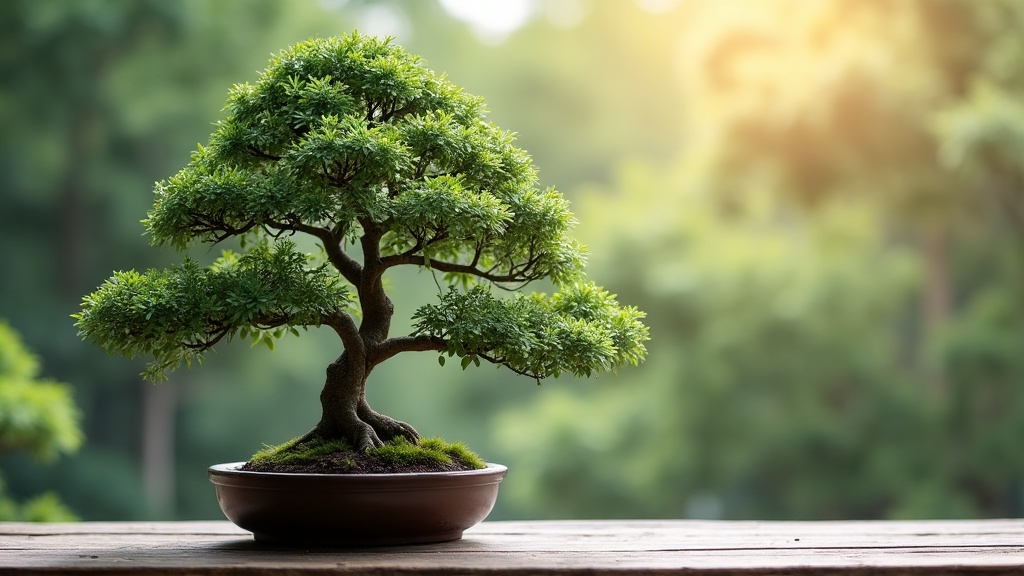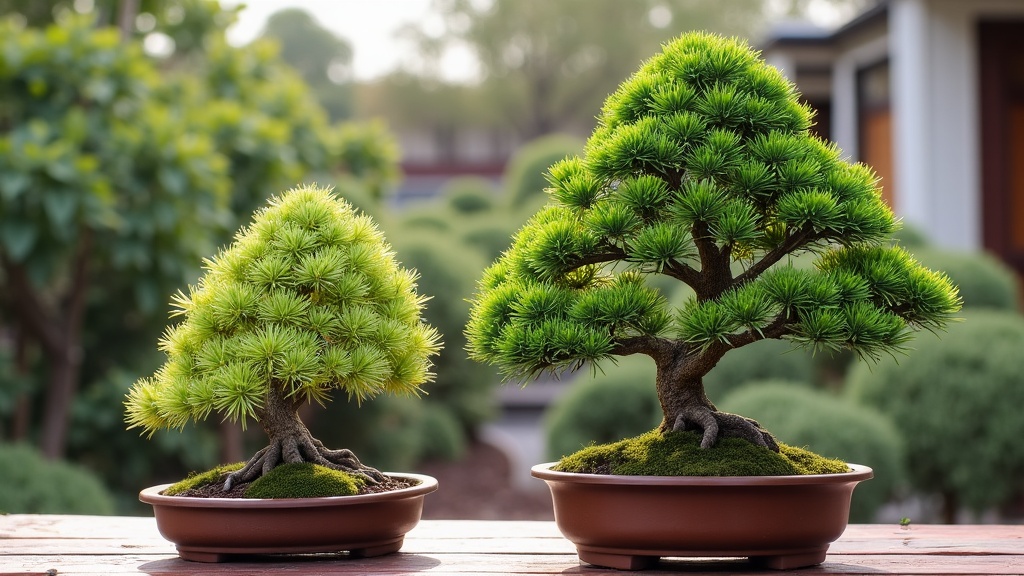
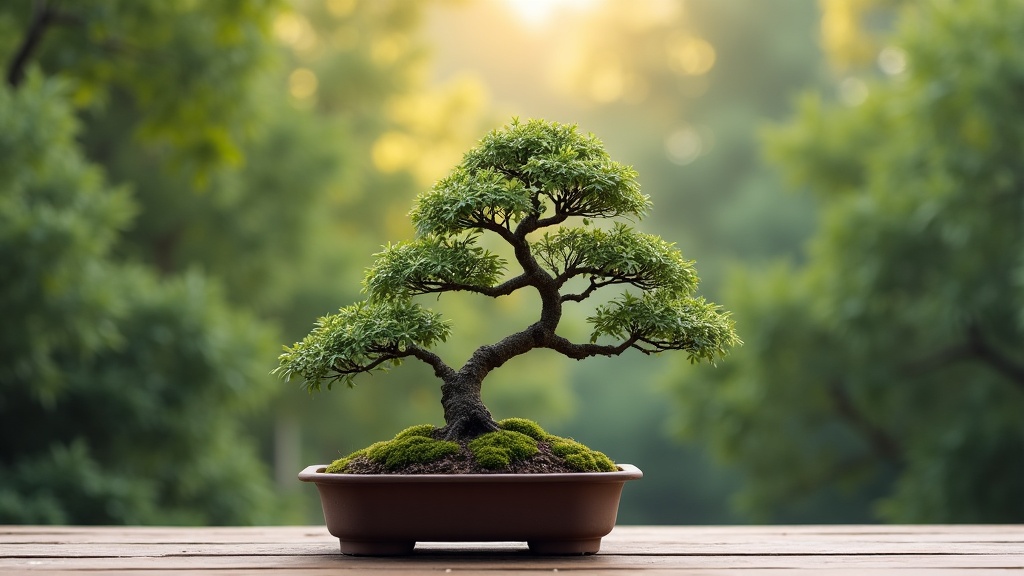
I see this mistake in beginners because bonsai invites action before it teaches patience. Beginners should start pruning bonsai only after the tree is healthy, actively growing, and established in its pot. In practice, that usually means waiting until the plant has adjusted to its environment and is producing steady new growth. If you just bought a bonsai or recently repotted it, the right move is usually patience. A weak tree does not respond well to styling decisions, and early over-pruning is one of the fastest ways for a new grower to slow progress.
Start with maintenance pruning, not heavy shaping
The safest entry point for beginners is maintenance pruning. This means trimming back overly long shoots, removing dead leaves or twigs, and keeping the outline tidy. It does not mean cutting major branches or redesigning the structure of the tree. Light pruning teaches you how your bonsai grows, where buds emerge, and how quickly the foliage recovers. That observation matters more than technique at the beginning.
Heavy structural pruning should usually wait until you understand the species, its seasonal rhythm, and its vigor. A juniper, ficus, elm, and maple all respond differently. New growers often assume pruning is mainly about appearance, but it is really about managing energy. The tree must be strong enough to support the cuts you make.
Signs your bonsai is ready
A beginner can usually begin light pruning when the bonsai shows clear signs of health. Look for rich leaf color, normal watering response, and fresh growth extending beyond the intended silhouette. Roots should be stable in the soil rather than loose from recent disturbance. If pests, yellowing leaves, or dieback are present, solve those issues first.
A simple rule works well: if the tree is growing confidently, you can prune lightly; if the tree is recovering, stressed, or stagnant, wait. Bonsai rewards restraint. Small, timely cuts on a healthy plant do more good than ambitious cuts on a struggling one.
Best timing by season
For many bonsai, the best time for beginner-friendly pruning is during the active growing season. Spring and early summer are often ideal for light trimming because the tree can replace growth quickly. Deciduous trees are commonly pruned after their first flush has extended, while many tropical species can be trimmed during warm periods of steady growth.
Late autumn and winter are less forgiving for beginners unless they know the species-specific timing. Some structural pruning is done during dormancy on certain trees, but that is different from casual maintenance trimming. If you are unsure, avoid major pruning outside active growth periods. Species guidance should always override a generic calendar.
How much should a beginner remove?
Less than you think. A good starting point is to remove only what is clearly excessive, damaged, or disrupting the basic shape. If a branch is important to the design, do not cut it just because it looks long today. Beginners often regret cuts made too early, while conservative trimming can always be followed by another pass later.
Try working in short sessions. Step back after every few cuts and look at the overall balance. This helps prevent the common mistake of pruning one side heavily, then trying to compensate on the other side until too much foliage is gone. Bonsai design improves when decisions are spaced out, not rushed.
Common beginner mistakes
The biggest mistake is pruning for style before building basic horticultural confidence. Another is pruning immediately after repotting, wiring aggressively on the same day, or cutting a tree that has just changed environments. New growers also tend to ignore the difference between pinching, trimming, and structural branch removal. Those actions have different purposes and different risks.
It is also easy to copy what looks good in a photo without considering age, species, or stage of development. Many bonsai you see online are refined trees maintained by experienced hands. A beginner tree usually needs time to gain strength and branch density before it needs sophistication.
A practical beginner approach
If you are new to bonsai, begin by observing the tree for a few weeks. Learn how fast it dries out, where it pushes new growth, and how it responds to light. Then perform only light maintenance pruning on obvious overgrowth. Keep notes and take photos before and after each session. That simple habit will teach you more than guessing.
So when should beginners start pruning bonsai? Start once the tree is healthy, stable, and actively growing, and start with small maintenance cuts rather than major design changes. In bonsai, timing and restraint matter more than boldness. A cautious first season usually produces a stronger tree and a more capable grower.
A Better Beginner Checklist
- Observe the tree for a full growth cycle before making major styling decisions.
- Learn watering and vigor first, because weak trees do not respond well to ambitious work.
- Change one major variable at a time so you can see how the tree responds.
- Let health, species habits, and season decide the pace instead of your impatience.
This is the quieter discipline most beginners skip, and it is usually what separates living bonsai from overworked projects.
For beginners who want a simple, sensible setup, I usually think it is enough to compare bonsai training wire and a pair of bonsai pruning shears. Those two tools are more relevant to real early practice than buying decorative accessories too soon.
What makes bonsai difficult for beginners is that the tree rarely punishes impatience immediately. A beginner can wire too soon, prune too hard, repot at the wrong moment, and still feel successful for a few weeks. The tree often answers later, with weak growth, poor recovery, or a gradual decline that feels mysterious only because the earlier stress was forgotten.
That is why I teach beginners to treat bonsai less like a series of tasks and more like a conversation with a living thing. Before shaping, ask whether the tree is vigorous enough. Before pruning, ask whether the season supports recovery. Before changing several things at once, ask whether you will still understand the result afterward. Those questions slow you down, but they also keep you from making the kind of mistake that costs a year of progress.
Many bonsai beginners also confuse visible activity with meaningful progress. Wiring, pruning, repotting, and styling feel productive, while observation feels passive. In practice, observation is often the more advanced skill. When you notice how a species extends, where buds appear, how quickly soil dries, and how the tree responds to minor adjustments, your later work becomes much more precise.
I also think beginners benefit from keeping one simple rule: do not ask a weak tree to teach you advanced technique. If a tree is struggling with water balance, poor light, or poor root health, styling it harder rarely improves anything. Restoring strength first is not hesitation. It is sound bonsai practice.
The encouraging part is that this mistake is fixable. Most beginners do too much because they care. Once that energy is redirected into observation, timing, and restraint, progress becomes steadier and the tree begins to look more convincing with less force.
What I Check Before I Panic
When an indoor bonsai starts dropping leaves in winter, I look at light first, then watering rhythm, then sudden temperature swings near windows, vents, or heaters. Most indoor trees are reacting to weak winter conditions or inconsistent care, not inventing a mysterious new problem overnight.
I also want to know whether the species is tropical, subtropical, or a tree that was never going to thrive indoors long term. That distinction matters because some winter leaf loss is stress, while some cases are really a mismatch between the tree and the environment it was asked to tolerate.
How I Judge Whether to Stop
If I start wondering whether one more cut will make the silhouette cleaner, that is usually the moment I slow down and reassess vigor, not the moment I keep cutting. A tree can recover from an imperfect branch more easily than it can recover from repeated unnecessary pruning.
I also look at how much of the work was structural versus cosmetic. Once the important structural cuts are made, the safest move is often to leave the smaller refinements for another session after the tree has had time to answer the first round of work.
That patience is not hesitation. It is one of the habits that keeps bonsai from being pushed past what the tree can comfortably sustain.