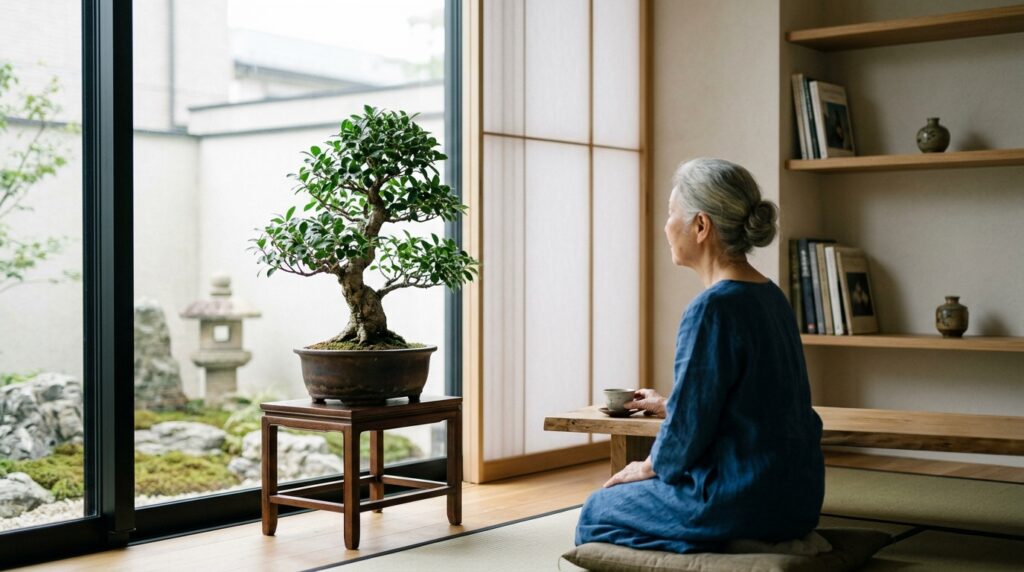
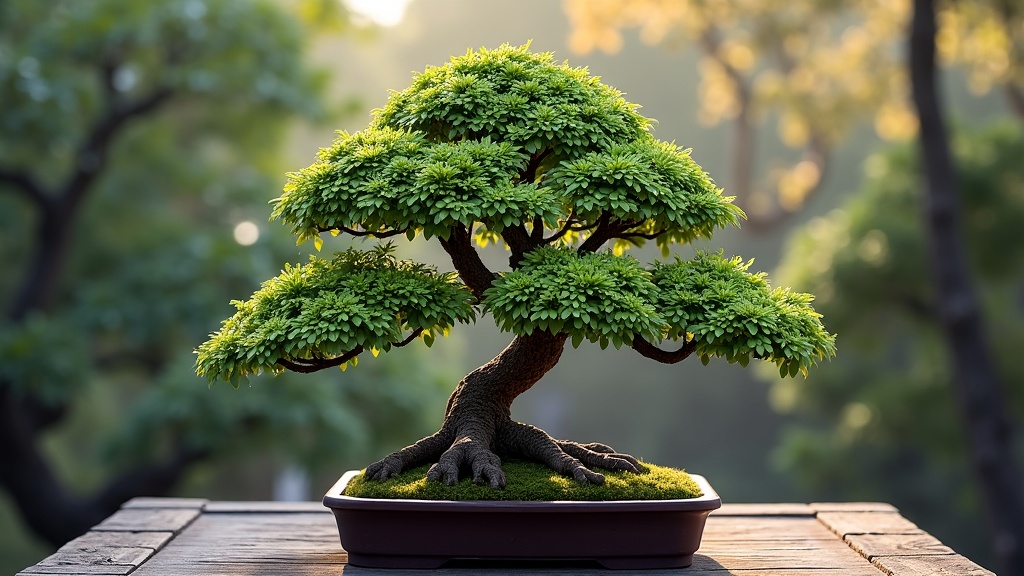
After two decades of nurturing bonsai indoors, I’ve learned that the best bonsai tree for beginners indoor is the Ficus — specifically Ficus retusa or Ficus benjamina. These trees forgive mistakes, adapt to indoor light, and teach you the fundamentals without punishing every misstep.
When students visit my studio in their first year, they often arrive with grand visions of ancient pines or delicate maples. I understand this impulse. But indoor cultivation is a different practice from outdoor bonsai, requiring different trees with different tolerances. Let me guide you through what actually thrives indoors, and why.
Why Most “Beginner” Bonsai Fail Indoors
The disconnect happens at the garden center. You see a juniper bonsai labeled “perfect for beginners” and bring it home to your apartment. Within three months, it’s struggling. Within six, it’s dead.
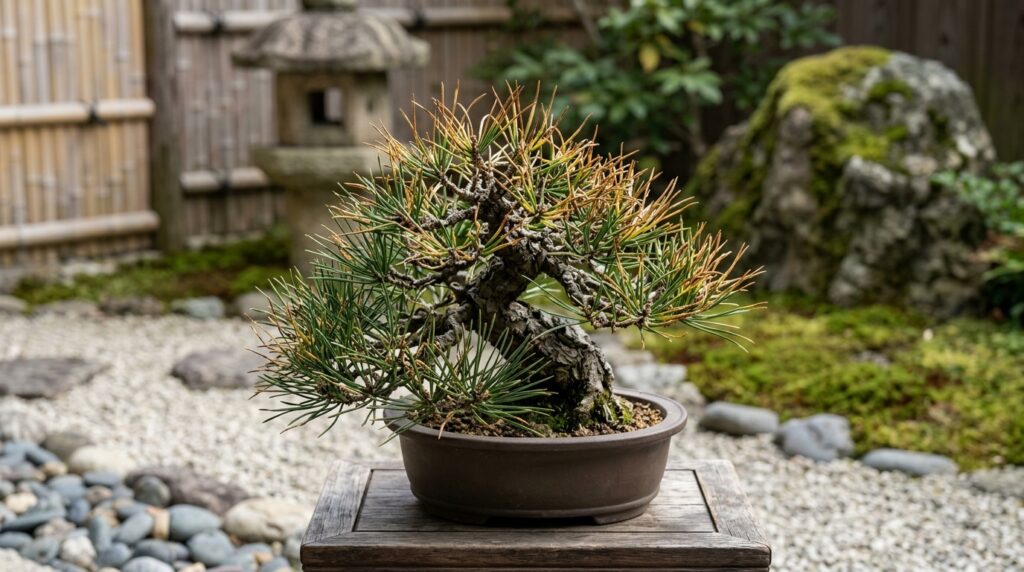
This isn’t your failure — it’s a mismatch. Junipers are temperate trees that require dormancy, direct sun, and outdoor conditions. No amount of care can replicate a Vermont winter in your living room.
Indoor bonsai must be tropical or subtropical species that naturally grow in consistent warmth and humidity. These trees don’t need dormancy. They evolved in environments closer to your home’s interior than a mountain ridge in Japan.
The Best Indoor Bonsai Trees for Beginners
Ficus (Fig Tree) — My Top Recommendation
I keep a Ficus retusa in my studio specifically for new students to practice on. It tolerates irregular watering, survives moderate light, and responds visibly to care improvements. You’ll see new growth within weeks of correcting technique.
Why Ficus works:
- Aerial root development teaches you about moisture and time
- Rapid growth shows results of your decisions quickly
- Strong constitution allows recovery from pruning mistakes
- Available as Ficus retusa bonsai at most nurseries
Place it near an east or west window. Water when the top inch of soil feels dry. It will teach you observation.
Chinese Elm (Ulmus parvifolia)
The Chinese elm was my second bonsai, purchased from a master in Kyoto who specialized in deciduous trees. It survived my clumsy wiring attempts and unbalanced pruning.
Chinese elm can live indoors year-round in warm climates, though it appreciates a winter rest period if you can provide it. The small leaves reduce naturally with proper care, and the bark develops beautiful exfoliating patterns as the tree matures.
Learning opportunities:
- Fine branching structure teaches ramification techniques
- Semi-deciduous nature shows seasonal response even indoors
- Responds well to aggressive pruning — builds confidence
Jade Plant (Crassula ovata)
Not a traditional bonsai species, but jade teaches foundational concepts while requiring minimal intervention. I recommend it for students who travel frequently or have demanding schedules.
The succulent leaves store water, making it nearly impossible to underwater. The thick trunk develops character through simple pruning and time. You can shape a jade plant bonsai into a convincing tree form within two to three years.
Wabi-sabi note: Jade embraces imperfection. Scarred bark, asymmetry, gaps in the canopy — these become features, not flaws.
Schefflera (Umbrella Tree)
Underestimated by many practitioners, schefflera tolerates low light better than almost any other bonsai candidate. If your home has limited natural light, this is your path forward.
The compound leaves create a canopy effect quickly. Trunk thickening happens faster than most tropical species. You can find schefflera pre-bonsai material at garden centers, often for less than dedicated bonsai nursery prices.
Indoor Beginner Bonsai Comparison
| Species | Light Needs | Watering Tolerance | Difficulty | Key Advantage |
|---|---|---|---|---|
| Ficus | Moderate to Bright | Forgiving | Easy | Fast feedback, strong recovery |
| Chinese Elm | Bright | Moderate | Easy-Moderate | Beautiful branching, traditional aesthetic |
| Jade Plant | Bright | Very Forgiving | Very Easy | Nearly indestructible, travels well |
| Schefflera | Low to Moderate | Forgiving | Easy | Low-light tolerance, fast growth |
What Your First Indoor Bonsai Needs
Light — The Non-Negotiable
Even forgiving species need adequate light. “Indirect light” is often insufficient. Place your tree within three feet of a window that receives several hours of direct or bright filtered light daily.
If natural light is limited, supplement with a grow light for bonsai. Position it 12-18 inches above the canopy for 12-14 hours daily.
Watering — Observation Over Schedule
Forget watering schedules. Humidity, temperature, pot size, and soil composition all affect water needs. Instead, check soil moisture daily with your finger.
Water thoroughly when the top half-inch feels dry. Pour until water drains from the bottom. Wait. Repeat only when soil reaches that dry point again. This rhythm teaches you to read the tree.
Soil and Pots
Pre-made bonsai often arrive in compacted clay soil that retains too much moisture. Within the first year, repot into proper bonsai soil mix — a blend that drains quickly while retaining some moisture.
For tropical species, I use a mix of akadama, pumice, and lava rock in equal parts. The pot should have adequate drainage holes. Shallow bonsai training pots work well for development.
Humidity
Indoor air is drier than tropical forests. Ficus and Chinese elm tolerate this, but thrive with added humidity. I keep a humidity tray beneath my indoor trees — a shallow tray filled with gravel and water. The pot sits on the gravel, above the water line.
Misting provides temporary relief but doesn’t meaningfully increase ambient humidity. Focus on placement away from heating vents and air conditioning units.
Common Mistakes I See in Beginners
Choosing temperate species for indoor cultivation. If the tag mentions “juniper,” “pine,” or “maple,” it needs to live outside. These trees require winter dormancy and will decline indoors.
Overwatering from anxiety. More beginners kill trees with kindness than neglect. Soggy soil suffocates roots. Trust your finger, not your fear.
Styling too early. Let your tree establish in its new environment for at least one full growing season before aggressive wiring or pruning. Observation builds understanding.
Ignoring the learning curve. Your first bonsai will likely not become a masterpiece. It’s your tuition payment to the practice. I killed three trees in my first two years. Each one taught me something I couldn’t have learned otherwise.
The Patient Path Forward
In Osaka, my teacher kept a row of ficus bonsai at different stages — from cuttings to thirty-year-old specimens. He would point to the youngest and say, “This is you.” Then to the oldest: “This is also you, if you continue.”
Bonsai is not a hobby of instant results. It’s a practice of small, consistent actions accumulating over seasons and years. Your first tree will make mistakes visible. It will drop leaves when you overwater. It will stretch toward light when placed in the wrong spot. These signals are gifts.
Start with a ficus bonsai tree or Chinese elm. Give it adequate light, consistent moisture, and your attention. Keep a basic bonsai tool kit nearby — shears, wire, and root rake are sufficient for the first year.
Watch what happens. Notice the new growth direction after pruning. Observe how aerial roots develop on ficus when humidity is right. Feel how the trunk thickens slowly beneath your fingers over months.
This is how the practice enters you.
Frequently Asked Questions
Can I keep a juniper bonsai indoors?
No. Junipers are temperate conifers that require winter dormancy and full outdoor sun. They will slowly decline indoors, usually dying within 6-12 months despite your best efforts. Choose tropical species like ficus or Chinese elm for indoor cultivation.
How often should I water my indoor bonsai?
There is no universal schedule. Check soil moisture daily by inserting your finger into the soil up to the first knuckle. Water thoroughly when the top half-inch feels dry. In summer this might be daily; in winter, every three days. The tree and environment determine frequency, not a calendar.
Do indoor bonsai need fertilizer?
Yes. Trees in small pots exhaust soil nutrients quickly. During the growing season (spring through early fall), apply diluted liquid fertilizer every 2-3 weeks. I use a balanced formulation at half the recommended strength. Reduce fertilizing in winter when growth slows. Quality bonsai fertilizer supports healthy development.
How long until my bonsai looks like the ones in photos?
Honest answer: years to decades. Pre-bonsai material takes 5-10 years to develop convincing trunk thickness and branching structure. Refinement continues indefinitely. This extended timeline isn’t a flaw of bonsai — it’s the essence. The practice is the point, not just the finished form.
Can I grow bonsai in a room with only artificial light?
Yes, but you’ll need dedicated grow lights. Standard room lighting is insufficient. Position full-spectrum LED grow lights 12-18 inches above your tree for 12-14 hours daily. Schefflera and ficus tolerate artificial light better than Chinese elm. It’s possible, but natural window light remains ideal when available.