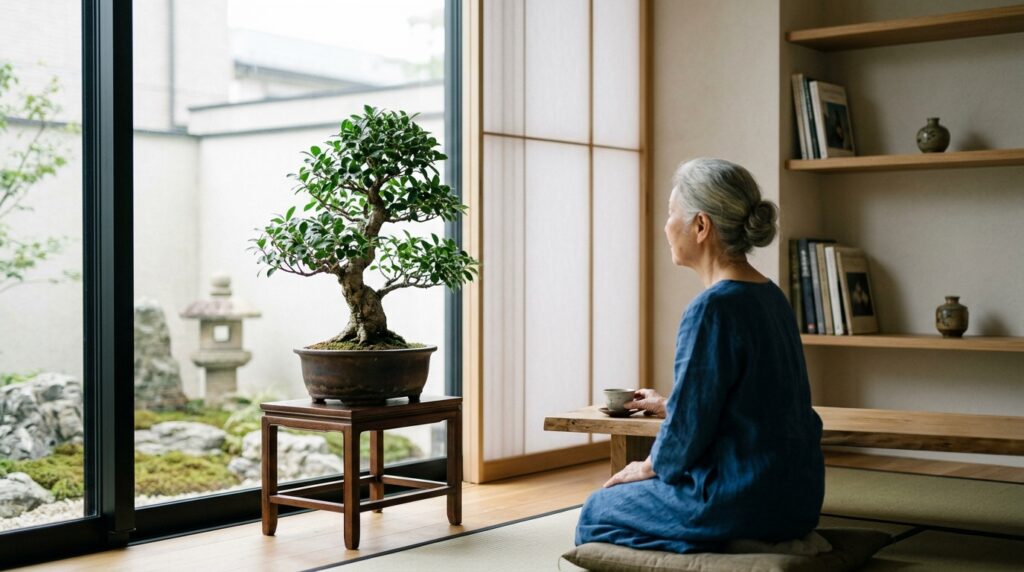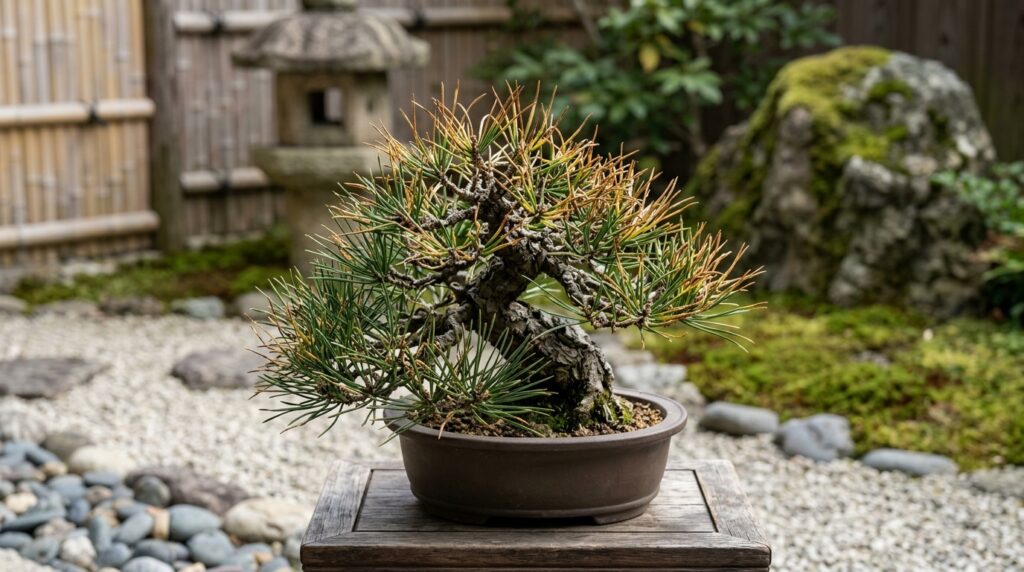
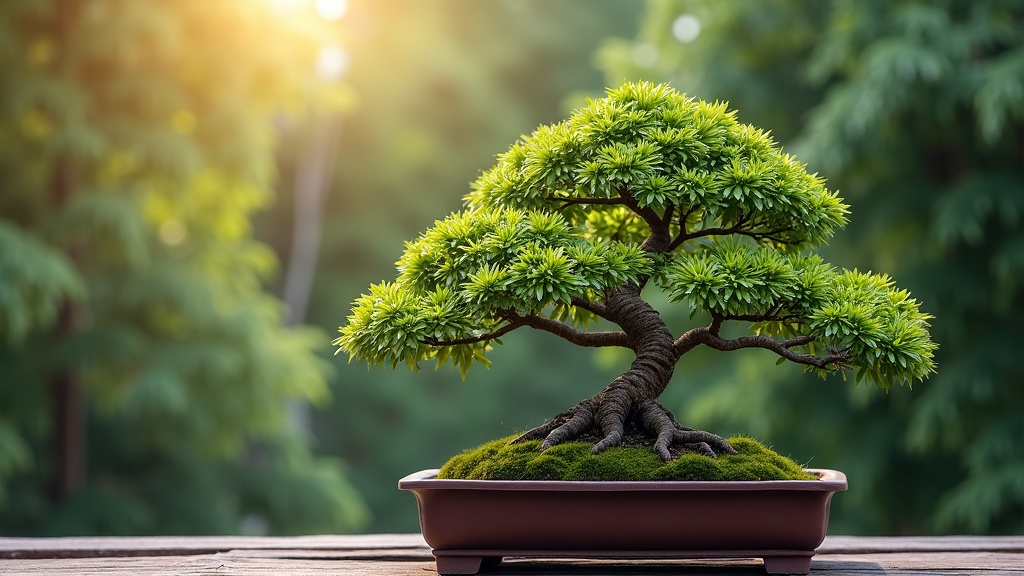
After twenty years of working with bonsai, I’m asked this question more than any other: how much does a bonsai tree actually cost? The truthful answer is anywhere from $20 to $1 million, depending on age, training, and provenance—but that range isn’t particularly helpful when you’re trying to decide what to buy.
Let me walk you through the real cost tiers, what you’re paying for at each level, and the hidden expenses many beginners overlook. This is the guide I wish someone had given me when I started in Osaka.
Understanding Bonsai Pricing: What You’re Actually Buying
A bonsai tree’s price reflects time more than anything else. That $30 juniper at a garden center might be three years old. A $5,000 Japanese black pine could be forty years in training. You’re not just buying a plant—you’re buying decades of patient work, refined technique, and accumulated knowledge embedded in every branch.
The Japanese concept of “mono no aware”—the pathos of things—applies directly here. An ancient tree carries the weight of its years, the hands that shaped it, the seasons it witnessed. This is why price scales exponentially with age and refinement.
Beginner Level: $20 to $100
Most people start here, and there’s wisdom in that. A juniper bonsai starter tree or ficus bonsai in this range gives you real material to practice on without paralyzing fear of making mistakes.
What you get:
- Young trees (2-5 years old)
- Basic training already started
- Common species: juniper, ficus, Chinese elm, jade
- Mass-produced but living
- Plastic or basic ceramic pot
These trees teach fundamental skills—watering discipline, basic pruning, understanding your climate. I killed three junipers before I learned to check soil moisture properly. Those $40 mistakes taught me more than reading ever could.
Intermediate Level: $100 to $500
This tier represents trees with more developed trunks, better nebari (root flare), and often more interesting species. You’re paying for age (typically 5-15 years) and more sophisticated initial training.
What changes at this level:
- Thicker trunks with movement and character
- Species diversity: Japanese maple, trident maple, azalea, pine
- Better quality pots (sometimes handmade)
- More refined branch structure
- Trees that can be exhibited at club shows
A Japanese maple pre-bonsai or established Chinese elm bonsai in this range will respond beautifully to your technique and give you years of refinement work.
Advanced Level: $500 to $3,000
Here we enter the realm of serious collecting. Trees at this level are typically 15-30 years old, often imported from Japan, with sophisticated styling and exceptional material quality.
The differences become subtle but profound:
- Trunk taper and proportion approach classical ideals
- Ramification (fine branch structure) is well-developed
- Species are chosen for specific aesthetic qualities
- Pots are often antique or by known artists
- Trees have “yamadori” (collected from nature) heritage in some cases
A Japanese black pine bonsai or aged shimpaku juniper at this price point is an investment piece that will appreciate with proper care.
Master Level: $3,000 to $100,000+
These are museum-quality trees, often with documented lineage, trained by known masters, or collected from extreme environments. I’ve worked on trees worth more than cars. The oldest bonsai in the Imperial Palace collection are priceless.
At this level, you’re buying:
- Trees 50-500+ years old
- Documented provenance and training history
- Exhibition-level refinement
- Rare species or exceptional specimens
- Often antique pots worth thousands themselves
Unless you’re a serious collector with years of experience, these trees are best appreciated in exhibitions rather than purchased. They require expert-level care and understanding.
Price Comparison by Species and Age
| Species | Beginner (2-5 yrs) | Intermediate (5-15 yrs) | Advanced (15-30 yrs) |
|---|---|---|---|
| Juniper | $25-$60 | $150-$400 | $600-$2,000 |
| Chinese Elm | $30-$70 | $120-$350 | $500-$1,500 |
| Japanese Maple | $50-$100 | $200-$600 | $1,000-$4,000 |
| Japanese Black Pine | $60-$150 | $300-$800 | $1,500-$8,000 |
| Trident Maple | $40-$90 | $180-$500 | $800-$3,000 |
What Drives Price Beyond Age
Trunk Characteristics
Thick trunks with taper, movement, and aged bark command premium prices. A tree with a 4-inch trunk base might cost five times more than an identical species with a 1-inch trunk, even at the same height.
Nebari (Root Flare)
Exceptional surface roots that radiate evenly from the trunk base can double a tree’s value. This takes years to develop and cannot be rushed.
Ramification
The fine branch structure visible in deciduous trees during winter represents countless hours of pruning over many years. Dense, proportional ramification separates amateur work from refined bonsai.
Pot Quality
Antique Chinese pots or work by contemporary Japanese masters like Yamaaki or Tokoname artists add significant value. A museum-quality pot alone can cost $500-$5,000.
Provenance
Trees with documented history—collected from specific mountains, trained by known masters, or exhibited at Kokufu-ten (Japan’s premier exhibition)—command premium prices regardless of size.
Hidden Costs: What Beginners Overlook
The tree itself is just the beginning. My first year, I spent nearly as much on tools and supplies as I did on trees.
Essential Tools and Supplies
- Basic tool set: $50-$200 (bonsai tool kit with shears, wire cutters, concave cutters)
- Wire: $20-$60 annually (aluminum or copper in various gauges)
- Soil components: $40-$80 per year (akadama, pumice, and lava rock)
- Fertilizer: $30-$60 annually
- Additional pots: $15-$100 each as your collection grows
Ongoing Maintenance
Plan for repotting every 2-5 years depending on species and age. Each repotting requires fresh soil ($10-$30) and possibly a new pot. Workshops and classes run $50-$200 but accelerate learning dramatically.
Climate Control (if needed)
Tropical species indoors may need grow lights ($40-$150) during winter. Cold frames or greenhouse space for winter protection can range from $100 for simple setups to thousands for dedicated structures.
Where to Buy at Each Price Point
For beginners ($20-$100), local nurseries, garden centers, and online retailers like Amazon provide accessible entry points. Quality varies, but risk is low.
Intermediate level ($100-$500) buyers should seek out specialized bonsai nurseries, regional bonsai shows, and reputable online bonsai retailers. You’ll get better material and often valuable guidance.
Advanced and master-level trees require seeing in person when possible. Major bonsai exhibitions, specialized importers, and established collectors selling pieces from their collections are the primary sources. Relationships with reputable dealers become essential.
My Recommendation for Starting Out
Begin with two or three trees in the $30-$80 range, different species if possible. One will likely die as you learn—this is part of the path. One might survive but never thrive. The third might surprise you and become a twenty-year project you’re still refining decades later.
That modest beginning teaches you what money alone cannot buy: patience, observation, and the daily discipline that defines bonsai practice. The most expensive tree cannot teach these lessons—only time and attention can.
As your skills develop, the trees you’re drawn to will naturally increase in quality and price. This progression feels earned rather than purchased, which honors the spirit of bonsai more than buying the most expensive tree you can afford on day one.
Frequently Asked Questions
How much should I spend on my first bonsai tree?
Between $30 and $80 for your first tree. This is enough to get healthy, living material with some basic training, but not so much that you’ll be paralyzed by fear of making mistakes. Choose a hardy species like juniper, Chinese elm, or ficus that tolerates beginner errors.
Are expensive bonsai trees worth it for beginners?
No. Expensive trees require advanced techniques to maintain their refinement. A beginner with a $2,000 tree will likely damage or kill it through inexperience, learning nothing except an expensive lesson in humility. Master basic care on affordable material first.
What makes some bonsai trees cost thousands of dollars?
Age, training time, trunk characteristics, refinement level, and provenance. A 50-year-old tree with exceptional nebari, movement, and ramification represents thousands of hours of skilled work over decades. You’re buying compressed time and expertise, not just a plant.
Do bonsai trees increase in value over time?
Yes, if properly maintained and refined. A well-cared-for bonsai increases in value as it ages, develops finer branch structure, and gains trunk character. However, this requires consistent expert care—neglected trees decline in value or die. This is investment in the traditional sense: requiring knowledge, skill, and time.
How much does it cost to maintain a bonsai tree annually?
Budget $100-$300 per year for basic supplies (soil, fertilizer, wire, occasional tools) for a small collection of 3-5 trees. Costs scale with collection size but become more efficient per tree as you buy in larger quantities. Workshop fees, specialized pots, and climate control equipment are additional.